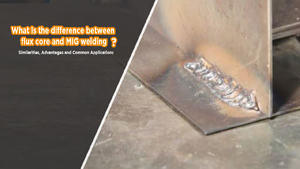
When it comes to welding, finding the right method for the job is crucial. Among the many welding techniques out there, flux-cored arc welding (FCAW) is often a top choice for its versatility and efficiency.
If you’re working on heavy-duty projects or smaller repairs, FCAW offers unique benefits that can make your life easier. However, like any other method, it comes with its own set of drawbacks.

Image by nats.ca
As someone who’s spent time working with this technique, I want to share what I’ve learned about the advantages and disadvantages of flux-cored arc welding. By the end of this article, you’ll have a clear understanding of whether FCAW is the right fit for your welding needs.
What is Flux-Cored Arc Welding?
Flux-cored arc welding (FCAW) is a semi-automatic or automatic welding process that uses a consumable tubular electrode filled with flux. When this electrode melts, the flux creates a shielding gas that protects the weld from contaminants in the air.
There are two types of FCAW:
- Self-Shielded FCAW (FCAW-S): Doesn’t require external gas; the flux provides all the protection.
- Gas-Shielded FCAW (FCAW-G): Uses both flux and an external shielding gas like carbon dioxide.
This process is popular in industries like construction, shipbuilding, and repair work because of its ability to weld thicker materials quickly and effectively.
Advantages of Flux-Cored Arc Welding
Flux-cored arc welding has many strengths that make it a go-to choice for professionals and hobbyists alike. Let’s dive into its most notable advantages.
High Welding Speed
One of the standout benefits of FCAW is its speed. The continuous wire feed and high deposition rates allow you to complete projects faster than other welding methods like stick welding or TIG.
Great for Outdoor Use
If you’re welding outside, FCAW-S (self-shielded) is a lifesaver. Unlike MIG welding, which requires shielding gas and struggles in windy conditions, FCAW-S relies solely on the flux for protection. This makes it perfect for outdoor construction or repair jobs.
Versatility with Materials
FCAW works well with a variety of metals, including:
- Carbon steel.
- Stainless steel.
- Low-alloy steels.
This flexibility makes it a reliable choice for different applications.
Ability to Weld Thick Materials
If you’re dealing with heavy-duty materials, FCAW handles thick metals better than many other welding techniques. Its deep penetration ensures strong, durable welds.
Reduced Prep Time
With FCAW, the flux core cleans impurities and enhances the weld pool. This means you can work with materials that have surface rust or dirt, saving time on prep work.
Semi-Automatic Operation
FCAW’s semi-automatic process makes it easier to maintain consistency in your welds, even if you’re a beginner.
Disadvantages of Flux-Cored Arc Welding
While FCAW has plenty of advantages, it’s not without its downsides. Here’s what you need to consider before choosing this method.
High Equipment Costs
The initial cost of FCAW equipment can be higher than traditional stick welding. You’ll need a welding machine, a wire feeder, and sometimes an external gas supply for FCAW-G.
Slag Removal
One of the biggest complaints about FCAW is the need to remove slag after welding. While the flux helps protect the weld, it also leaves behind a layer of slag that requires extra effort to clean.
Limited for Thin Materials
FCAW isn’t ideal for thin materials. The high heat generated can burn through lighter metals, making it less versatile for delicate projects.
Smoke and Fumes
Flux-cored welding produces more smoke and fumes compared to methods like TIG or MIG. Proper ventilation or fume extraction systems are essential for safety.
Learning Curve
While FCAW is semi-automatic, mastering the technique still takes practice. Issues like porosity or improper slag removal can compromise weld quality.
Not Suitable for All Positions
FCAW isn’t as effective for overhead or vertical welding compared to other methods. Gravity and molten slag can cause issues in these positions.
Comparing FCAW-S and FCAW-G
To give you a clearer picture, here’s a comparison table of self-shielded and gas-shielded FCAW:
| Aspect | FCAW-S (Self-Shielded) | FCAW-G (Gas-Shielded) |
|---|---|---|
| Shielding Method | Flux alone | Flux and external gas |
| Best Use | Outdoor, windy conditions | Indoor, controlled conditions |
| Equipment Cost | Lower | Higher |
| Smoke/Fumes | More | Less |
| Weld Appearance | Rougher | Cleaner |
Applications of Flux-Cored Arc Welding
FCAW is widely used across industries due to its versatility and efficiency. Some common applications include:
- Construction: Welding structural steel for buildings or bridges.
- Shipbuilding: Joining thick plates for ship hulls.
- Pipeline Work: Repairing and welding pipelines in remote or outdoor locations.
- Heavy Equipment Repair: Fixing machinery like tractors and excavators.
Is FCAW Right for You?
Deciding whether to use flux-cored arc welding depends on your specific needs. If you’re tackling large, outdoor projects or need a quick solution for thick materials, FCAW is a solid choice.
If you’re working with thin metals or need precise, clean welds, you might want to consider alternatives like MIG or TIG welding.
Conclusion
Flux-cored arc welding is a powerful tool in the welding world, offering speed, versatility, and the ability to handle challenging environments. It’s not a one-size-fits-all solution. Understanding its advantages and disadvantages will help you decide if it’s the right method for your project.
For me, FCAW has been a reliable technique when working on outdoor repairs or heavy-duty tasks. The ability to weld thick materials without excessive prep time is a game-changer.
But I’ve also learned to weigh its downsides, like the need for slag removal and the extra precautions for fume safety.
If you’re considering flux-cored arc welding, give it a try on a smaller project first to see how it fits your style and needs. It’s a rewarding process once you get the hang of it!
FAQs
What materials can be welded with FCAW?
FCAW is great for carbon steel, stainless steel, and low-alloy steels.
Is FCAW better than MIG welding?
It depends on the project. FCAW is better for outdoor or heavy-duty work, while MIG is cleaner and more precise for indoor tasks.
Do I need shielding gas for FCAW?
Not always. Self-shielded FCAW doesn’t require external gas, but gas-shielded FCAW does.
What is the biggest drawback of FCAW?
The need to remove slag and deal with heavy smoke can be challenging for some welders.
Can beginners use FCAW?
Yes, FCAW’s semi-automatic process makes it beginner-friendly, though some practice is needed to perfect the technique.