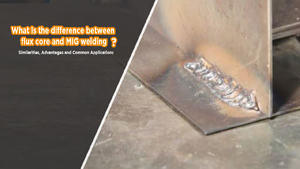
To reduce spatter when flux core welding, use the correct voltage and wire feed speed. Adjust the settings according to the manufacturer’s recommendations for the specific wire and welding machine you are using. Excessive spatter can result from incorrect voltage and wire feed settings, so make sure to dial them in properly. When flux core welding, spatter can be a common issue that can affect the quality of the weld and create additional cleanup work.
There are several effective techniques and tips that can help minimize spatter and improve the overall welding process. By understanding the factors that contribute to spatter and implementing the appropriate adjustments and best practices, you can achieve cleaner, more efficient welds while reducing the need for post-weld cleanup.

Image by twi-global
Flux Core Welding
Flux Core Welding is a versatile welding process that uses a tubular wire electrode with flux material inside. This method is commonly used in construction, shipbuilding, and manufacturing industries.
Basics Of Fcaw
Flux Core Arc Welding (FCAW) is similar to MIG welding but uses a tubular wire filled with flux instead of a solid wire. The flux shields the molten weld pool from contamination.
Benefits Of Flux Core Welding
- High Deposition Rates: FCAW allows for faster welding speeds and higher metal deposition rates.
- All-Position Welding: It is suitable for welding in various positions, making it versatile for different projects.
- Cost-Effective: Flux core wire is generally more affordable than solid wire, reducing overall welding costs.
- Deep Weld Penetration: FCAW provides deep weld penetration, ideal for welding thick materials.
Causes Of Spatter In Fcaw
Flux Core Arc Welding (FCAW) is a popular welding technique that uses a flux-filled wire to bond two metal pieces together. However, spatter is a common problem faced by welders during FCAW. Spatter is the molten metal that splatters out of the weld pool and solidifies on the surface of the workpiece.
It not only mars the appearance of the weld but also poses a safety hazard. In this part, we will discuss the common causes of spatter in FCAW and how to reduce it.
Equipment Settings
The equipment settings play a crucial role in determining the spatter level during FCAW. The following are some of the settings that you need to consider:
Wire Feed Speed: The wire feed speed should be set according to the diameter of the wire and the amperage. If the wire feed speed is too high, it can cause excessive spatter.
Voltage: The voltage should be set according to the thickness of the workpiece. If the voltage is too high, it can cause excessive spatter.
Arc Length: The arc length should be maintained between 1/2 inch to 3/4 inch. If the arc length is too long, it can cause excessive spatter.
Material Impurities
The presence of impurities in the base metal and the filler wire can also cause spatter during FCAW. The following are some of the impurities that you need to watch out for:
| Impurities in Base Metal | Impurities in Filler Wire |
|---|---|
| RustOilPaint | OxidationDirtRust |
To reduce spatter due to material impurities, you need to clean the base metal and the filler wire properly before welding. Use a wire brush or a grinder to remove any rust, oil, or paint from the surface of the base metal. Use a clean cloth to wipe the surface of the filler wire to remove any dirt or oxidation.
Choosing the Right Equipment
A suitable welder is crucial for flux core welding to reduce spatter effectively.
Knowing the various wire types available can help in reducing spatter during welding.
Optimizing Wire Feed Speed
When flux core welding, reducing spatter is crucial for achieving clean and high-quality welds. One effective way to minimize spatter is by optimizing wire feed speed. By understanding the role of wire speed and finding the sweet spot, welders can significantly improve their welding results.
Role Of Wire Speed
Wire speed plays a vital role in controlling the amount of spatter produced during flux core welding. The rate at which the welding wire is fed into the weld pool directly impacts the heat input and the size of the weld bead. Adjusting the wire speed allows welders to find the optimal balance between deposition rate and spatter reduction.
Finding the Sweet Spot
Optimizing wire feed speed involves finding the ideal setting that minimizes spatter while maintaining proper weld penetration and deposition. This sweet spot varies based on factors such as material thickness, wire diameter, and welding parameters. Experimenting with different wire speeds and observing the resulting weld quality is essential to pinpointing the optimal setting for spatter reduction.
Voltage and Amperage Settings
When flux core welding, adjusting the voltage and amperage settings plays a crucial role in reducing spatter and achieving a smooth welding arc. Fine-tuning these settings can make a significant difference in the quality of your welds.
Fine-tuning For Smooth Arc
By fine-tuning the voltage and amperage settings, you can create a smooth, stable arc that minimizes spatter. This involves adjusting the settings to ensure the optimal heat input for the specific welding parameters and material thickness.
Effects On Spatter Reduction
Optimizing voltage and amperage settings has a direct impact on spatter reduction. Higher voltage can lead to increased spatter, while lower voltage may cause incomplete fusion. Excessive amperage can result in excessive spatter, while insufficient amperage may lead to poor penetration.
Proper Welding Techniques
When it comes to flux core welding, using proper techniques is crucial to reduce spatter and achieve high-quality welds. By focusing on the right welding techniques, you can minimize spatter and improve the overall welding process.
Importance Of Gun Angle
Maintaining the correct gun angle is vital in reducing spatter during flux core welding. A slight drag angle, typically around 5-15 degrees, helps to ensure proper penetration and deposition of the filler metal. Avoiding an excessive gun angle can prevent erratic wire feeding and spatter, resulting in cleaner, more controlled welds.
Steady Movement and Travel Speed
Maintaining a steady movement and travel speed is key to minimizing spatter. Consistent travel speed prevents excessive heat buildup, reducing the likelihood of spatter. Smooth, steady movements also contribute to a more uniform weld bead and minimize spatter formation.
Maintaining Clean Work Surfaces
To reduce spatter when flux core welding, ensure clean work surfaces by removing dirt and debris. Proper cleaning minimizes spatter and enhances weld quality, leading to more efficient and effective welding processes. Regular maintenance of work surfaces is crucial for successful flux core welding operations.
Troubleshooting Excessive Spatter
To reduce spatter when flux core welding, ensure the correct voltage and wire feed speed settings. Clean the workpiece to remove any contaminants, and maintain the appropriate stick-out distance between the contact tip and the workpiece. Using the correct polarity and adjusting the shielding gas flow can also help minimize excessive spatter.
Weld Defects Adjustments and Solutions
When troubleshooting excessive spatter in flux core welding, it’s essential to address common weld defects. Adjustments and solutions can help improve your welding results.
Adjustments and Solutions
Identifying and rectifying common weld defects is crucial for reducing spatter during flux core welding. Make the following adjustments and implement solutions:
- Optimize wire feed speed: Adjust the wire feed speed to the correct setting based on the manufacturer’s recommendations.
- Check voltage settings: Ensure that the voltage settings are appropriate for the welding parameters and material thickness.
- Clean the workpiece: Remove any dirt, rust, or contaminants from the workpiece before welding to minimize spatter.
| Weld Defect | Adjustment/Solution |
|---|---|
| Excessive spatter | Optimize wire feed speed and voltage settings, clean workpiece. |
Advanced Tips For Professionals
For professionals seeking advanced tips in flux core welding, reducing spatter is crucial. To achieve this, adjust the wire feed speed and voltage settings to minimize spatter production. Keeping the welding gun at the correct angle and distance from the workpiece can further help in reducing spatter during flux core welding.
Flux core welding is a popular welding technique used by professionals in various industries. It is a process that involves a filler wire that is coated with flux to protect the weld pool from contamination. While flux core welding is an effective and efficient method, it can also lead to spatter.
Spatter is the molten metal that splatters out during the welding process. It can be frustrating and time-consuming to clean up, and it can also affect the quality of the weld. We will discuss some advanced tips for professionals to reduce spatter when flux core welding.
Upgrading Equipment
One of the most effective ways to reduce spatter when flux core welding is to upgrade your equipment. Investing in high-quality equipment can make a significant difference in the quality of your welds. One of the most important pieces of equipment for flux core welding is the welding gun.
A good quality welding gun will have a smooth wire feed, which can help reduce spatter. Additionally, make sure that the wire is clean and free of rust or other contaminants, as this can also contribute to spatter.
Continual Learning And Practice
Another important tip for reducing spatter when flux core welding is to continually learn and practice. As with any skill, the more you practice, the better you will become. This includes taking courses, attending workshops, and reading up on the latest techniques and technologies. It is also important to experiment with different welding parameters, such as wire feed speed and voltage, to find the optimal settings for your particular application.
By continually learning and practicing, you can reduce spatter and improve the overall quality of your welds. Reducing spatter when flux core welding is essential for producing high-quality welds. By upgrading your equipment and continually learning and practicing, you can minimize spatter and improve the efficiency and effectiveness of your welding.
Always wear proper safety gear and follow all safety guidelines when welding. With these advanced tips, you can take your flux core welding skills to the next level and achieve optimal results.
Safety Considerations And Best Practices
To reduce spatter when flux core welding, ensure proper wire stick-out length and maintain a consistent travel speed. Adjusting voltage settings and using a push technique can also help minimize spatter for cleaner welds and improved safety. Remember to wear appropriate protective gear at all times during welding tasks.
Personal Protective Equipment
- Wear welding gloves to protect your hands from heat and spatter.
- Use a welding helmet with a proper shade to shield your eyes from the bright light.
- Put on a flame-resistant jacket to safeguard your body from sparks and burns.
- Ensure closed-toe shoes are worn to prevent injury from falling objects.
Workspace Ventilation
- Set up ventilation fans to remove fumes and gases from the welding area.
- Work in a well-ventilated space to reduce the inhalation of harmful welding emissions.
- Keep doors and windows open to allow fresh air circulation during welding activities.
- Use a respirator mask when working in confined or poorly ventilated areas.
Conclusion
Incorporating these techniques into your flux core welding process can significantly reduce spatter. Practice, adjust settings, and use anti-spatter products to achieve cleaner welds. Mastering spatter reduction takes time and experimentation. By implementing these strategies, you can enhance your welding results and improve overall efficiency.