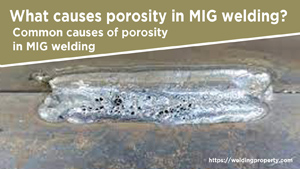
MIG (Metal Inert Gas) welding is a popular method for welding a variety of materials, particularly mild steel, stainless steel, and aluminum. One common issue that welders often face with MIG welding is excessive spatter.
Spatter refers to the small droplets of molten metal that are ejected from the weld pool and land on the surrounding workpiece or equipment.
While some spatter is unavoidable, excessive spatter can lead to poor weld quality, wasted time, and the need for additional post-weld cleanup.
I will explore the key causes of excessive spatter in MIG welding, how they affect weld quality, and what steps can be taken to minimize spatter during the welding process.

Image by americantorchtip
What Is Spatter in MIG Welding?
Spatter occurs when molten metal is ejected from the weld pool due to instability in the welding arc. These small droplets solidify as they land on the surrounding area, leading to a rough surface that requires additional grinding or cleanup.
While some level of spatter is normal, especially in certain materials like mild steel, excessive spatter is often a sign of improper welding settings or technique.
Excessive spatter not only creates more work but can also compromise the strength and appearance of the weld. By identifying and addressing the root causes of spatter, welders can improve the overall quality of their welds.
Causes of Excessive Spatter in MIG Welding
Several factors contribute to excessive spatter in MIG welding. These include improper machine settings, poor technique, and environmental issues. Let’s dive into the most common causes and how to address them.
Incorrect Voltage Settings
Voltage is one of the most critical factors in MIG welding, and incorrect voltage settings can lead to excessive spatter. If the voltage is set too low, the arc becomes unstable, which causes spatter. If the voltage is set too high, it can cause the weld pool to be overly agitated, leading to more spatter.
How It Affects Spatter
Low Voltage: Insufficient voltage can cause the arc to be erratic, resulting in poor arc stability and increased spatter. The wire will tend to “stub” into the weld pool, ejecting molten metal.
High Voltage: Too much voltage creates an excessive amount of heat, which causes the weld pool to boil, leading to more spatter.
Solution
Adjust the Voltage: Ensure that the voltage is set according to the thickness and type of material you are welding. Consult a welding chart or the manufacturer’s guidelines for optimal voltage settings. Fine-tuning the voltage can help create a more stable arc and reduce spatter.
Improper Wire Feed Speed
Wire feed speed determines how quickly the wire is fed into the weld pool. If the wire feed speed is too fast or too slow, it can cause spatter.
How It Affects Spatter
Fast Wire Feed Speed: If the wire is fed too quickly, it can create a situation where the wire enters the weld pool faster than it can be melted. This results in the wire stubbing into the weld pool and creating spatter.
Slow Wire Feed Speed: If the wire feed speed is too slow, it can lead to the arc being too long, causing the molten metal to splatter due to inconsistent heat and filler material input.
Solution
Optimize Wire Feed Speed: Adjust the wire feed speed to ensure a smooth and consistent weld. The correct speed should produce a steady “sizzling” sound without excessive popping or spattering. Experiment with different wire speeds to find the ideal setting for your material and thickness.
Wrong Shielding Gas Composition
The shielding gas used in MIG welding plays a crucial role in stabilizing the arc and protecting the weld pool from contamination. The wrong gas mixture can affect the welding process and cause excessive spatter.
How It Affects Spatter
CO2-Heavy Gas Mixtures: Carbon dioxide (CO2) is often used in shielding gas for its affordability and deep penetration properties. However, too much CO2 in the gas mixture can cause an erratic arc, leading to more spatter. Pure CO2 is especially prone to producing spatter.
Incorrect Gas Flow Rate: If the shielding gas flow rate is too low, it can allow atmospheric gases like oxygen and nitrogen to contaminate the weld pool, causing spatter. Conversely, if the gas flow rate is too high, it can create turbulence in the weld pool, leading to spatter.
Solution
Use the Correct Gas Mixture: For most MIG welding applications, a mixture of 75% argon and 25% CO2 (or similar ratios) provides a good balance of arc stability and spatter reduction. For aluminum, pure argon is typically used. Ensure the gas mixture is suitable for the material you are welding.
Optimize Gas Flow Rate: Set the gas flow rate according to the manufacturer’s recommendations, typically around 20-30 cubic feet per hour (CFH). Avoid welding in windy environments, as wind can disperse the shielding gas, causing spatter.
Arc Length and Contact Tip Distance
Arc length refers to the distance between the contact tip and the workpiece. If the arc length is too short or too long, it can cause excessive spatter.
How It Affects Spatter
- Short Arc Length: A short arc length causes the wire to frequently contact the weld pool, creating an unstable arc and increased spatter.
- Long Arc Length: A long arc length causes the weld pool to overheat and the arc to become erratic, leading to more spatter.
Solution
- Maintain a Consistent Arc Length: Ideally, the distance between the contact tip and the weld pool should be approximately 1/4 to 3/8 inch. Maintain this consistent distance throughout the welding process to reduce spatter and ensure a stable arc.
Poor Grounding
Proper grounding is essential for establishing a stable arc during MIG welding. If the grounding clamp is not properly attached or if there is resistance in the ground connection, it can lead to an unstable arc and excessive spatter.
How It Affects Spatter
- Inconsistent Electrical Flow: A poor ground connection can cause fluctuations in the arc, leading to more spatter and an inconsistent weld.
Solution
- Check Grounding: Ensure that the ground clamp is securely attached to clean, bare metal. Remove any rust, paint, or other contaminants from the area where the ground clamp is connected. Inspect the ground cable and clamp regularly to ensure they are in good condition.
Dirty or Contaminated Workpiece
Welding on a dirty or contaminated surface can lead to spatter. Rust, dirt, oil, paint, and other contaminants on the workpiece can react with the weld pool, causing instability and spatter.
How It Affects Spatter
- Contaminants in the Weld Pool: When contaminants enter the weld pool, they cause the molten metal to react violently, resulting in spatter. Additionally, contaminants can prevent proper fusion, weakening the weld.
Solution
- Clean the Workpiece: Before welding, use a wire brush, grinder, or chemical cleaner to remove any dirt, rust, oil, or paint from the welding area. This ensures a clean, smooth weld with less spatter.
Incorrect Welding Technique
Improper welding techniques, such as incorrect gun angle, travel speed, or manipulation of the torch, can contribute to excessive spatter.
How It Affects Spatter:
Incorrect Gun Angle: Holding the welding gun at an angle that is too steep or too shallow can cause the arc to be unstable, leading to spatter.
Fast Travel Speed: Moving the welding gun too quickly can cause incomplete fusion, resulting in an inconsistent weld and spatter.
Slow Travel Speed: Moving the gun too slowly can lead to excessive heat input, causing the weld pool to boil and spatter.
Solution
Use the Correct Gun Angle: For MIG welding, the gun should be held at a 15-20 degree angle from vertical, with the arc pushing the weld pool in the direction of travel. This technique helps maintain a stable arc and reduces spatter.
Adjust Travel Speed: Move the welding gun at a steady, consistent pace. The travel speed should allow for full fusion of the base material without overheating or underheating the weld pool.
Worn or Damaged Contact Tips
The contact tip plays a crucial role in conducting electricity to the welding wire and maintaining a stable arc. Worn or damaged contact tips can cause inconsistencies in the arc, leading to more spatter.
How It Affects Spatter
- Inconsistent Electrical Contact: A worn-out or damaged contact tip can cause fluctuations in the arc, leading to spatter and poor weld quality.
Solution
- Replace Worn Contact Tips: Regularly inspect the contact tip and replace it when it shows signs of wear or damage. Ensure that the contact tip is the correct size for the wire being used.
Comparison of Causes and Solutions for Excessive Spatter
| Cause | Effect on Spatter | Solution |
|---|---|---|
| Incorrect Voltage Settings | Causes erratic arc or overheated weld pool | Adjust voltage settings to match material thickness |
| Improper Wire Feed Speed | Fast feed stubs wire, slow feed lengthens arc | Optimize wire feed speed for smooth arc stability |
| Wrong Shielding Gas | Erratic arc, atmospheric contamination | Use appropriate gas mixture (e.g., 75% arg |
Conclusion
Excessive spatter in MIG welding can be frustrating and time-consuming to deal with, but by understanding the common causes and making appropriate adjustments, you can significantly reduce the amount of spatter produced. From fine-tuning your machine settings to improving your welding technique and cleaning your workpiece, these simple steps can lead to cleaner, more efficient welds.
Proper preparation, maintenance, and attention to detail will not only improve your weld quality but also reduce post-weld cleanup, saving you time and effort.