Standing a few feet away from an active weld might not seem dangerous at first, especially when you’re already wearing clear safety glasses. But after a long day around arc welding, that gritty, burning feeling in your eyes can show up fast if your protection isn’t doing the job.
That’s why so many welders ask, Do Clear Safety Glasses Protect from Welding Flash, and whether basic eye protection is really enough around an arc.
In real shop environments, welding flash isn’t just about visible sparks flying toward your face. The ultraviolet and infrared radiation produced by the arc can affect your eyes even during short exposure, especially if you’re watching nearby work without the right shade protection.
I’ve seen beginners assume regular safety glasses were enough, only to deal with painful eye irritation later that night.
Understanding the difference between impact protection and true welding protection matters for both safety and long-term eye health.
I’ll break down what clear safety glasses actually protect against, where they fall short, and what you should wear instead when working around welding arcs.
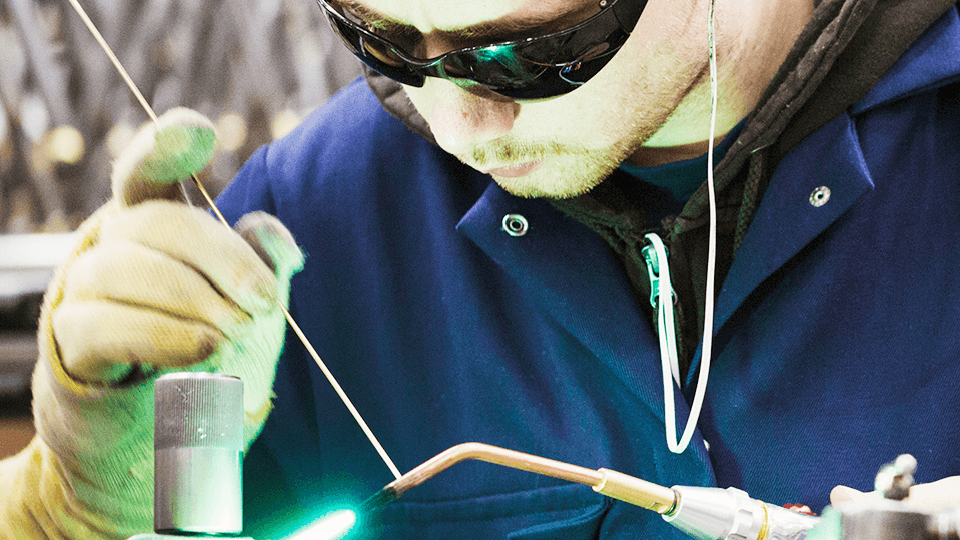
Image by phillips-safety
What Exactly Is Welding Flash and Why Does It Happen?
Welding flash, also called arc eye or photokeratitis, is essentially a sunburn on your cornea caused by intense ultraviolet (UV) radiation from the welding arc.
The arc in processes like SMAW (stick), MIG, or TIG produces massive amounts of UV, visible light, and infrared (IR). Your eyes don’t feel it immediately—the pain often hits hours later, usually in the middle of the night.
In my experience, beginners get flashed most often when walking through the shop without protection or when someone else strikes an arc nearby.
Reflections off stainless steel or aluminum make it worse. Pros sometimes skip glasses under the hood during quick tacks and pay for it with peripheral flash.
UV rays penetrate even closed eyelids, which is why you can’t just look away or squint. Clear polycarbonate safety glasses that meet ANSI Z87.1 standards block nearly 100% of UVA and UVB when properly rated. That’s why quality clear glasses work for incidental exposure.
Do Clear Safety Glasses Actually Block Welding UV Radiation?
Yes, good ones do. Most polycarbonate lenses naturally absorb over 99% of UV light. Look for glasses marked with UV protection or Z87+ on the frame.
In practice, I’ve walked past active MIG stations wearing standard clear Uvex or similar brands and never caught a flash burn on my eyes—though I always use a helmet for actual welding.
They won’t save you if you stare directly at the arc without a helmet. The visible brightness will still overwhelm you and cause temporary blindness or spots. But for side exposure, bystander work, or grinding after a weld, clear glasses with UV blocking are essential.
Key difference from shaded lenses: Clear glasses prioritize impact protection and full visibility while blocking UV/IR. Shade 3 or 5 glasses add some visible light reduction for cutting or low-amp work but can tint your view of the shop floor. I keep both in my toolbox—clears for general use, shade 5 for plasma cutting or oxy work.
When Clear Safety Glasses Are Enough vs. When You Need More
Use clear UV-protective safety glasses in these situations:
- Walking through a shop where others are welding
- As secondary protection under your welding helmet (stray arcs sneak in)
- Grinding, chipping slag, or wire brushing
- Assisting or observing nearby welding
- Light fabrication or tack welding in well-controlled areas
You need a full welding helmet with proper shade for:
- Striking and running any arc
- MIG, TIG, Stick, or Flux-cored welding
- Plasma cutting or oxy-fuel work
Many shops require clear glasses at all times plus a helmet when welding. This double protection has saved my eyes more times than I can count, especially during fit-up when helmets flip up frequently.
Choosing the Right Safety Glasses for Your Welding Setup
Not all clear glasses are created equal. In US shops, I recommend ANSI Z87.1+ rated options with side shields or wraparound design. Polycarbonate is tough against sparks and impacts.
Look for:
- Explicit UV400 or 99.9% UV protection
- Anti-fog coating (sweat and humidity are killers)
- Comfortable fit for all-day wear
- Replaceable lenses for cost savings
I’ve tested cheap no-name glasses that scratched easily and fogged up constantly versus mid-range brands that lasted years. For hobbyists on a budget, start with a reputable pair under $20. Professionals often invest in a few pairs—one in the truck, one in the shop bag.
Shade options for around welding:
- Clear: Best for visibility and general protection
- Shade 3: Mild tint for better contrast near arcs
- Shade 5: Stronger protection for cutting or close proximity
Grey tints are gaining popularity because they maintain color accuracy better than traditional green.
Welding Processes and Eye Protection Needs
SMAW (Stick Welding): High UV output, lots of spatter. Clear glasses under a shade 10-12 helmet are non-negotiable. Amperage ranges: 1/8″ 6010 or 7018 rods typically 90-150 amps. Clean your joints thoroughly—rust or paint increases spatter and flash risk.
MIG/GMAW: Cleaner but still intense UV. Use clear glasses plus helmet shade 10-12. Gas-shielded processes produce strong arcs; position yourself so reflections don’t bounce back. Joint prep with a grinder prevents porosity and keeps the arc stable.
TIG/GTAW: Precise, lower spatter but high UV on aluminum. Shade 10-14 depending on amps. Clear glasses protect during setup when you’re adjusting tungsten or filler rod.
Flux-Cored: Similar to MIG but dirtier. Extra slag means more chipping—glasses prevent chips from flying into eyes.
Always match electrode diameter to material thickness and adjust amperage accordingly. A 3/32″ rod on thin metal at too-high amps creates excessive UV and burn-through. Start low and increase until you get a stable arc without sticking.
Step-by-Step: Proper Eye Protection Routine in the Shop
- Inspect your gear — Check glasses for cracks, helmet lenses for scratches.
- Layer protection — Clear UV glasses first, then helmet.
- Position wisely — Use welding curtains or screens for bystanders.
- Strike safely — Look away or close eyes/helmet before striking.
- Post-weld — Keep glasses on while cleaning—hot slag pops unexpectedly.
- Store properly — Clean lenses with microfiber to maintain UV coating.
Common beginner mistake: Wearing only a helmet and skipping clears. Reflections from walls or the workpiece get you every time. Another pro error: Dirty or fogged glasses leading to lifted helmets and exposure.
What Happens If You Get Flashed Anyway?
Symptoms hit 4-12 hours later: gritty eyes, tearing, light sensitivity, pain like sand in your eyes, redness. It usually affects both eyes.
Home treatment:
- Artificial tears or preservative-free drops
- Cool compresses
- Dark room, sunglasses indoors if needed
- Pain relief (ibuprofen)
- Avoid rubbing eyes
See a doctor if pain is severe or doesn’t improve in 24-48 hours. Most cases heal in a couple days, but repeated exposure risks permanent damage. I’ve seen guys tough it out and regret it when productivity tanks.
Material and Joint Considerations for Safer Welding
Stainless and aluminum reflect more UV—double up on curtains and glasses. Mild steel is more forgiving but still demands respect. Proper joint prep (beveling, cleaning to bright metal) reduces arc instability and excessive UV time.
For repair jobs on old equipment, remove paint and rust first. Contaminants create unstable arcs that spit more radiation and spatter.
Comparison: Clear Safety Glasses vs. Other Protection
Clear UV Glasses:
- Pros: Full visibility, impact protection, UV block, comfortable all day, affordable
- Cons: No visible light reduction for direct arc viewing
Shaded Safety Glasses (3 or 5):
- Pros: Better contrast near arcs, good for cutting
- Cons: Darker shop floor, potential color distortion
Welding Helmet:
- Pros: Full face and high shade protection
- Cons: Limited peripheral vision, heavier
Combination (recommended): Clears + helmet = maximum safety and versatility.
In real shops, this setup handles 95% of situations without issues.
Machine Settings and Practical Welding Tips to Minimize Flash Risk
Stable arcs mean less time exposed to UV. For 7018 1/8″ on 1/4″ plate: 110-150 amps DC+. Keep travel speed consistent. Whip or pause technique on verticals reduces undercut and spatter.
TIG on aluminum: AC balance around 70-80%, amps based on thickness (1 amp per 0.001″). Clean with stainless brush dedicated to aluminum.
Always ground properly—poor grounding creates erratic arcs and more flash potential.
Common Mistakes Even Experienced Welders Make
- Assuming the helmet alone is enough
- Using non-UV safety glasses from the hardware store
- Forgetting side shields
- Not replacing scratched lenses (UV protection degrades)
- Welding in bright sunlight without extra precautions (harder to see arc clearly)
Hobbyists often weld in garages with poor ventilation and lighting, increasing mistakes. Pros in high-production environments get complacent with quick tacks.
Building Better Shop Habits for Long-Term Eye Health
Treat eye protection like your most important tool. I have a routine: glasses go on the moment I enter the shop bay. Curtains up before any arc. Helpers always geared up. These habits prevent 99% of flash incidents.
For students and new fabricators: Practice with your full PPE from day one. Muscle memory for safety saves headaches later.
Key Takeaways for Safer Welding Every Time
Clear safety glasses with proper UV protection absolutely guard against welding flash from stray arcs and reflections. They form the foundation of your eye safety layer, paired with a quality helmet for direct exposure. Understand your processes, match shades and settings to the job, prepare materials well, and stay vigilant around others welding.
You’ve got the practical knowledge now—UV blocking works, layering protection wins, and prevention beats treatment every time. Next time you’re setting up, grab those clears first. Your eyes will thank you after a long day laying perfect beads.
Keep a spare pair of clear UV glasses in your welding bag and truck. The day you need them most is the day you left them on the bench. A quick swap or loan to a helper has saved more shifts than any fancy machine setting ever could.
FAQ
Can I weld with just clear safety glasses?
No. You need a welding helmet with the correct shade for the arc. Clears protect against stray UV but won’t handle direct viewing of the bright arc.
How do I know if my safety glasses block UV?
Check for ANSI Z87.1 or Z87+ marking and UV protection claims. Quality polycarbonate usually blocks it naturally, but confirm on the packaging or with the manufacturer.
What shade do I need under my helmet?
Many welders use clear or very light shade under the hood. The helmet provides the main protection; glasses handle side flashes and impacts.
How long does welder’s flash last?
Usually 24-48 hours with proper care. Severe cases take longer—see an eye doctor if symptoms persist.
Are expensive glasses worth it for hobby welding?
Mid-range UV-protective pairs last longer, fog less, and feel better. Cheap ones work short-term but scratch and fail faster in a real shop environment.