If you’re just getting into welding or even if you’ve been doing it for a while, one thing you can never ignore is safety. I’ve spent years around welding machines, fabrication shops, and work sites, and let me tell you—welding is a fantastic skill, but it also demands serious respect.
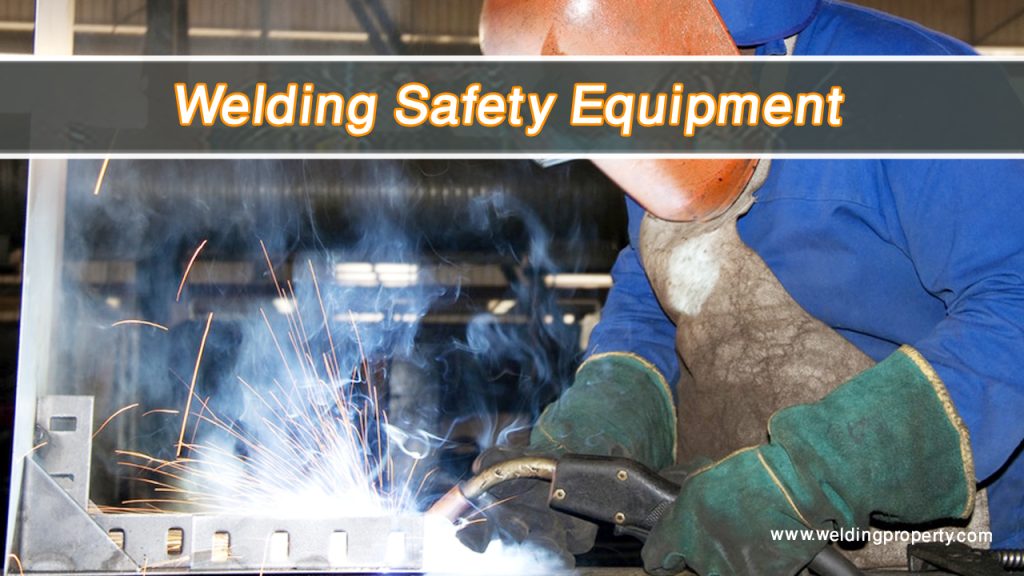
Image by safetyvideos
It’s not just about molten metal and sparks. There are hidden dangers too, like harmful UV radiation, toxic fumes, and high-decibel noise. Let’s talk about something that every welder, from beginners to seasoned pros, should take seriously—welding safety equipment.
I’m going to walk you through the essential gear you need to keep yourself safe while welding. I’ll explain why each piece of equipment matters, how to choose the right one, and share a few personal insights from my own experience.
This isn’t just a checklist—this is about staying safe so you can keep doing what you love for the long haul.
Why Welding Safety Equipment Matters
When I first started welding, I underestimated how dangerous it could be. I figured a helmet and gloves were enough. But one accident made me rethink everything.
A tiny spark landed near my collar, and the next thing I knew, I had a minor burn that could’ve been worse. That moment taught me to take safety gear seriously.
Welding safety gear is designed to protect you from burns, electric shock, inhaling harmful gases, vision damage, and even long-term hearing loss. If you don’t gear up properly, you’re putting yourself at serious risk.
Welding Helmet: Your First Line of Defense
If you’re welding, a proper helmet is non-negotiable. It protects your eyes and face from UV and infrared rays, sparks, and spatter.
There are two main types of welding helmets:
- Passive helmets with a fixed lens shade
- Auto-darkening helmets that adjust the lens shade based on arc brightness
I personally recommend the auto-darkening type, especially for beginners. It saves you from constantly flipping your helmet up and down between welds. You can keep both hands on your project, and it reduces strain on your neck over time.
Here’s what to look for in a good helmet:
- Adjustable shade levels (usually 9-13)
- Fast reaction time (look for 1/10,000 second or faster)
- Comfortable headgear
- Solar-powered or battery-powered features
- Wide viewing area
Safety Glasses: Don’t Skip These
Even with a helmet, I always wear safety glasses underneath. Why? Because grinding, chipping, and prep work throw debris all over the place. You don’t want a metal shard in your eye—it’s painful and dangerous.
Make sure the safety glasses are:
- ANSI Z87.1 rated (that means they meet US safety standards)
- Wraparound or side-shielded to protect from every angle
- Scratch-resistant and anti-fog if possible
I keep an extra pair in my toolbox just in case. They’re inexpensive and lifesaving.
Welding Gloves: Your Hands Need the Best
Your hands are close to the action when welding, and they’re one of the first places to get injured if you’re not careful. A good pair of welding gloves will protect you from heat, UV rays, and cuts.
Different types of welding require different gloves:
- TIG welding: Use thin, heat-resistant gloves for dexterity
- MIG welding: Use medium-thickness gloves with extra insulation
- Stick welding: Use heavy-duty gloves with reinforced palms
Make sure the gloves are long enough to cover part of your forearm too. And trust me, go for quality—cheap gloves wear out fast and leave you exposed.
Welding Jacket or Apron: Protect Your Body
A proper welding jacket or apron shields your arms and torso from sparks and heat. I’ve seen people weld in short sleeves and regret it instantly.
Here’s what I recommend:
- Flame-resistant material like leather or treated cotton
- Long sleeves with adjustable cuffs
- Coverage without restricting your movement
For lighter work or hotter climates, I sometimes wear a flame-resistant cotton jacket—it breathes better but still offers good protection. Leather aprons are also great for extra shielding, especially if you’re working at a bench.
Respiratory Protection: Don’t Ignore the Air
Welding fumes are no joke. They can contain toxic metals, ozone, and other harmful gases. And over time, breathing this stuff in can cause serious health problems.
Depending on your environment and the material you’re welding, you may need:
- A basic dust mask for grinding and cleanup
- A half-face respirator with P100 filters for regular welding
- A powered air-purifying respirator (PAPR) for heavy-duty or industrial work
Always make sure the respirator fits snugly and that the filters are rated for metal fumes. I learned to wear one the hard way—after too many headaches and sore throats from breathing in fumes.
Hearing Protection: Guard Your Ears
Welding can be loud, especially if you’re grinding, cutting, or working in a metal shop. Long-term exposure can damage your hearing permanently.
What works best:
- Foam earplugs for light work
- Over-the-ear earmuffs for loud, constant noise
- Combo sets with radio or Bluetooth for convenience
Hearing protection is often overlooked, but once you start using it, you’ll notice how much less tired you feel after a full day in the shop.
Steel-Toed Boots: Protect Those Toes
Welding means dealing with heavy tools, sharp scraps, and the occasional dropped part. Steel-toed boots are a must.
Look for:
- Heat-resistant soles
- Slip-resistant treads
- Steel or composite toe protection
- Flame-resistant laces or lace covers
Don’t weld in sneakers or running shoes—just don’t. A molten bead on your foot will ruin your day, trust me.
Flame-Resistant Pants and Leg Protection
A lot of welders don’t think about their legs until something goes wrong. Jeans might seem okay, but unless they’re 100% cotton and heavy-duty, they can catch fire or melt.
Here’s what I use:
- FR-rated cotton or denim pants
- Leather spats or leg guards for overhead welding
- No cuffs (sparks can collect in them)
Never wear synthetic fabrics like polyester or nylon—they’ll melt right onto your skin.
Welding Cap or Bandana
Sparks don’t just fall down—they go up too. A welding cap or bandana under your helmet helps protect your scalp and keeps sweat out of your eyes.
Some of them come with neck flaps for extra protection. It’s a small thing that makes a big difference.
Welding Blanket or Curtain
If you’re working in a shared space, a welding blanket or curtain is a great way to protect others from sparks and UV radiation.
They’re especially useful if you’re welding near flammable items or in a garage. I use one anytime I’m not in a closed booth.
Fire Extinguisher and First Aid Kit
Accidents happen, even if you’re careful. Having a fire extinguisher nearby is smart and responsible. Keep it rated for Class D fires (combustible metals), and make sure you and your team know how to use it.
Stock a first aid kit with burn ointment, eye wash, and bandages. I’ve used mine more times than I care to admit.
Common Welding Safety Equipment
| Safety Gear | Purpose | Recommended Feature |
|---|---|---|
| Welding Helmet | Protects face and eyes from arc and sparks | Auto-darkening, adjustable shade |
| Safety Glasses | Shields eyes from flying debris | ANSI Z87.1, wraparound design |
| Welding Gloves | Protects hands from heat and spatter | Type-specific, insulated, long cuff |
| Welding Jacket/Apron | Shields body from heat and sparks | FR leather or cotton, full coverage |
| Respirator | Prevents inhalation of toxic fumes | P100 filters or PAPR system |
| Hearing Protection | Prevents hearing damage | Earplugs or earmuffs |
| Steel-Toed Boots | Protects feet from heavy items and sparks | Heat-resistant, anti-slip soles |
| Welding Pants | Protects legs from molten metal | FR cotton or leather, no cuffs |
| Welding Cap | Protects head and absorbs sweat | Flame-resistant, good fit |
| Fire Extinguisher | Safety against accidental fires | Class D, easily accessible |
| First Aid Kit | Immediate treatment for minor injuries | Burns, cuts, eye flush supplies |
A Few Real-Life Tips
- Always inspect your safety gear before every job. Worn-out gloves or a cracked helmet can’t protect you.
- Stay hydrated. Welding can be hot and exhausting.
- Keep your work area clean and organized. Tripping over clutter can cause accidents.
- Don’t rush. Most welding injuries happen when people are in a hurry or not paying attention.
- Keep extra gear on hand. If something breaks, you don’t want to be tempted to “just get through it.”
Conclusion
Welding is powerful, rewarding, and honestly pretty fun once you get the hang of it. But none of that matters if you end up hurt or sick because you didn’t take safety seriously.
I’ve seen guys lose time, money, and even careers due to injuries that could’ve been avoided with the right equipment.
So yes, safety gear might feel bulky or slow you down a little—but it’s worth it. You owe it to yourself and everyone around you to stay protected. Once you get used to wearing the right equipment, it just becomes second nature.
If you’re just starting out, invest in the best safety gear you can afford. If you’re a pro, never let your guard down. Either way, protect yourself first—so you can keep welding for years to come.
FAQs
What is the most important piece of welding safety equipment?
The welding helmet is often considered the most important because it protects your eyes and face from arc flash, which can cause serious injuries in a split second.
Can I weld with regular sunglasses instead of a helmet?
No, regular sunglasses do not provide enough protection against UV and infrared radiation from welding. You need a certified welding helmet with the correct shade.
Do I need a respirator for all types of welding?
Not always, but it’s highly recommended, especially for materials like galvanized steel or stainless steel, which release harmful fumes. Even mild steel can generate fumes in confined spaces.
Are leather gloves enough for all welding types?
It depends on the type of welding. Heavy-duty leather gloves are great for stick welding, but TIG welding needs more flexibility, so thinner gloves are better for that.
How often should I replace my welding helmet?
Replace it if the lens is cracked, the auto-darkening function stops working, or the headgear becomes too worn to adjust properly. With good care, a quality helmet can last several years.
Is it okay to weld in shorts if it’s hot?
No, welding in shorts or short sleeves is never safe. Sparks and hot metal can cause severe burns in seconds. Always wear full-length flame-resistant clothing.
What should I keep in my welding first aid kit?
Include burn gel, eye wash, bandages, antiseptic wipes, and pain relievers. You might also want a cold pack and tweezers for removing splinters or debris.
Do I need ear protection even if I’m only welding?
If you’re not grinding or cutting, the noise may not be extreme. But welding in enclosed or echo-heavy areas can still damage your hearing over time. It’s better to be safe.