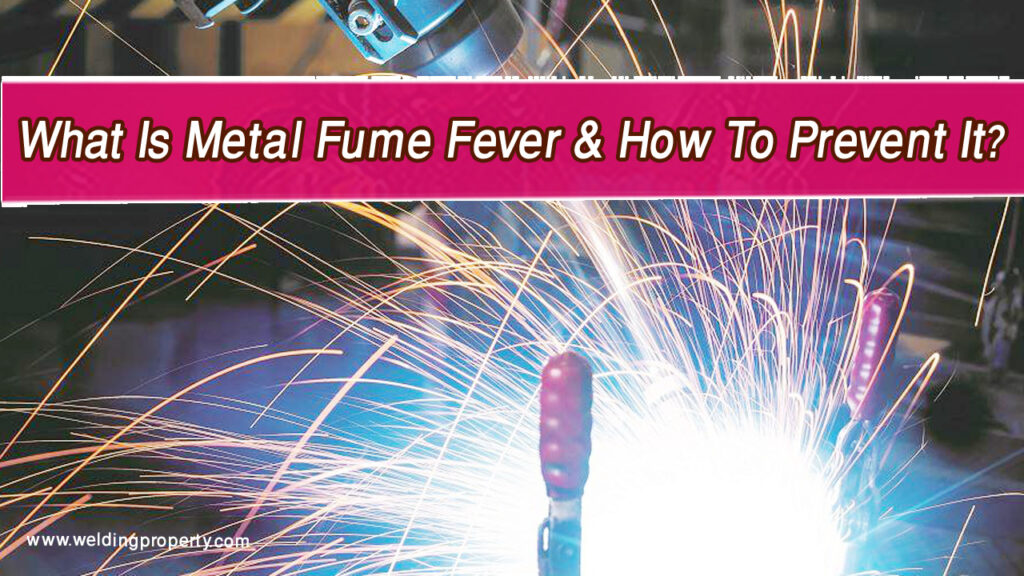
Welding fumes can pose serious health risks due to their toxic nature, causing respiratory and other health issues. Inhaling these fumes can lead to short-term symptoms such as dizziness, nausea, and eye irritation, as well as long-term effects like lung damage and cancer.

Image by hsa ie
Welding is a widely used process in various industries, but the resulting fumes can be hazardous to both welders and those working in the surrounding areas. The fumes generated during welding contain a mixture of toxic gases and metal particles, which can have detrimental effects on the respiratory system and overall health.
This article explores the dangers of welding fumes, highlighting the short-term and long-term health risks associated with exposure. By understanding the potential hazards, employers and workers can take appropriate measures to protect themselves and create a safe working environment.
Welding Fumes
Welding fumes can pose serious health risks due to the toxic substances they contain, such as chromium, nickel, and manganese. Prolonged exposure to these fumes can lead to respiratory issues, lung damage, and even cancer. It’s important for welders to use proper ventilation and personal protective equipment to minimize the dangers of welding fumes.
Basics Of Welding
Welding is a process that joins metal pieces together. It involves high heat to melt and fuse metals.
What Are Welding Fumes?
Welding fumes are gases and tiny particles produced during welding. They can be harmful if inhaled.
Chemical Composition Of Welding Fumes
Welding is an essential process in the manufacturing industry. It involves the use of high temperatures to join two pieces of metal.
However, welding also poses significant health risks to the welders due to the release of hazardous chemicals in the form of welding fumes. The chemical composition of welding fumes varies, depending on the type of metal involved in the welding process.
Types Of Metals Involved
Welding can involve various types of metals, including steel, aluminum, nickel, copper, and their alloys. The welding process releases a combination of fumes, gases, and vapors, depending on the type of metal.
For example, welding of stainless steel produces fumes containing hexavalent chromium, a potent carcinogen. Welding of aluminum produces fumes containing aluminum oxide, which can cause lung damage.
Hazardous Chemicals Released
The chemical composition of welding fumes is complex and contains hazardous chemicals that can cause both short-term and long-term health effects. Some of the hazardous chemicals released during welding include:
| Chemical | Health Effects |
|---|---|
| Hexavalent Chromium | Can cause lung cancer, skin irritation, and eye damage |
| Nickel | Can cause respiratory irritation, lung cancer, and skin allergies |
| Cadmium | Can cause lung damage, kidney damage, and prostate cancer |
| Manganese | Can cause neurological damage, including Parkinson’s-like symptoms |
Exposure to welding fumes can cause a range of health effects, including respiratory irritation, shortness of breath, coughing, and chest pain.
Long-term exposure to welding fumes can cause chronic bronchitis, asthma, and even lung cancer. It is crucial to take appropriate safety measures to minimize exposure to welding fumes.
- Ensure proper ventilation in the welding area
- Wear appropriate respiratory protection, such as a respirator
- Use welding methods that produce less fumes, such as gas tungsten arc welding (GTAW) or plasma arc welding (PAW)
- Implement a comprehensive welding safety program that includes regular monitoring of air quality and employee health
By taking appropriate safety measures, welders can protect themselves from the harmful effects of welding fumes and ensure a safer work environment.
Health Risks Associated With Welding Fumes
Welding is a common industrial process, but it comes with potential health risks, particularly from the fumes produced during the welding process. These fumes contain a complex mixture of metallic oxides, silicates, and fluorides, which can pose significant health hazards to welders and those working in the vicinity.
Short-term Health Effects
Exposure to welding fumes can lead to immediate health effects such as irritation of the eyes, nose, and throat, as well as dizziness, nausea, and headaches. Welders may also experience metal fume fever, characterized by flu-like symptoms including fever, chills, and muscle aches, usually occurring a few hours after exposure to metal oxide fumes.
Long-term Health Consequences
Prolonged exposure to welding fumes can result in more severe and long-lasting health issues. The accumulation of certain metals in the body can lead to chronic respiratory problems, such as bronchitis and pulmonary fibrosis. Welders are also at risk of developing occupational asthma and other lung disorders due to the inhalation of toxic fumes over time.
Case Studies: the Impact On Workers
Welding fumes can pose serious health risks to workers, including respiratory issues and long-term diseases. Case studies have shown that exposure to these fumes can have a significant impact on workers’ health, emphasizing the importance of proper safety measures and ventilation in welding environments.
Real-life incidents, studies, and research findings provide valuable insights into the dangers of welding fumes on workers’ health and safety. These case studies highlight the real-world consequences of prolonged exposure to welding fumes, emphasizing the need for proper protective measures in welding environments.
Real-life Incidents
Real-life incidents involving workers exposed to welding fumes serve as cautionary tales, shedding light on the potential risks involved. One such incident involved a welder who developed severe respiratory issues after years of working in a poorly ventilated welding shop.
The lack of proper ventilation resulted in the accumulation of toxic fumes, leading to the welder experiencing chronic coughing, wheezing, and shortness of breath. Another case study involved a group of welders who were exposed to high levels of manganese, a common component in welding fumes.
These workers developed a condition known as manganism, which is similar to Parkinson’s disease. The symptoms included tremors, muscle rigidity, and difficulty with movement, significantly impacting their quality of life.
Studies And Research Findings
Various studies and research have been conducted to understand the impact of welding fumes on workers’ health. These findings further emphasize the dangers associated with prolonged exposure.
One study revealed that welders exposed to high levels of welding fumes were at an increased risk of developing lung cancer. The research concluded that the toxic substances present in the fumes, such as chromium and nickel, are known carcinogens.
In addition to lung cancer, prolonged exposure to welding fumes has also been linked to other respiratory conditions. Research has shown that welders are more likely to develop conditions such as asthma, bronchitis, and chronic obstructive pulmonary disease (COPD).
These findings underscore the importance of implementing effective control measures to minimize the risk of exposure.
| Research Findings | Impact |
|---|---|
| Welding fumes contain toxic metals and gases | Can cause respiratory issues, neurological disorders, and other health complications |
| Exposure to manganese in welding fumes | Can lead to manganism, a condition resembling Parkinson’s disease |
| Increased risk of lung cancer | Welders exposed to high levels of fumes are at a higher risk of developing lung cancer |
| Higher incidence of respiratory conditions | Welders are more likely to develop asthma, bronchitis, and COPD |
These studies and real-life incidents serve as a reminder of the potential dangers that welding fumes pose to workers.
It is crucial for employers and workers to prioritize safety measures, including proper ventilation, personal protective equipment (PPE), and regular health monitoring, to minimize the risks associated with welding fumes exposure.
Regulatory Standards And Safety Measures
Regulatory standards and safety measures play a crucial role in addressing the dangers associated with welding fumes.
Understanding the risks involved and implementing proper ventilation systems are essential to safeguarding the health of workers in welding environments. Employers must prioritize compliance with safety regulations to minimize exposure to harmful fumes.
Osha Guidelines
Welding fumes are hazardous and can cause severe respiratory problems, such as lung cancer and metal fume fever. In response, the Occupational Safety and Health Administration (OSHA) has established strict guidelines to ensure the safety of workers in welding environments.
The OSHA standards require employers to implement engineering controls and provide personal protective equipment (PPE) to minimize the risk of exposure to welding fumes.
Protective Equipment And Practices
Employers must provide proper PPE, including respiratory protection, to their workers. Respiratory protection must be selected based on the exposure level and the hazards present in the work environment.
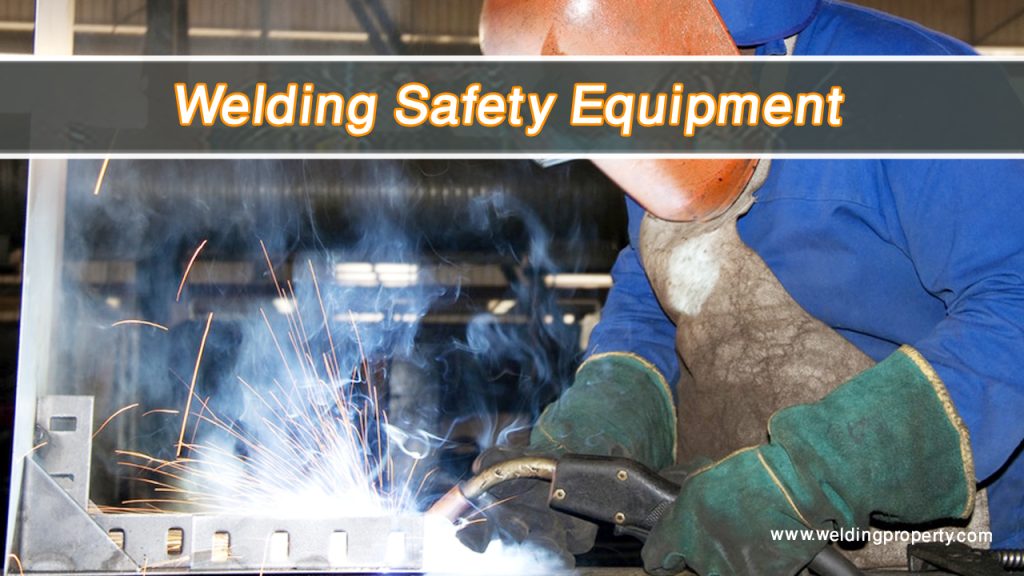
Welders must wear PPE, including a welding helmet with a filtered lens, protective clothing, gloves, and boots. Additionally, welding areas must be ventilated properly to prevent the accumulation of fumes.
Training And Education
To minimize the risk of exposure to welding fumes, workers must be trained on the hazards and safety measures. Employers must provide training on the proper use of PPE, including how to inspect, maintain, and replace it. Workers must also be trained on the proper ventilation of welding areas and the safe handling of chemicals used in welding processes.
The welding industry is subject to rigorous regulatory standards to ensure the safety of workers. Employers must adhere to OSHA guidelines, provide proper protective equipment, and educate workers on the hazards and safety measures.
By implementing these safety measures, employers can minimize the risk of exposure to welding fumes and protect the health of their workers.
Mitigating Risks In The Welding Industry
Welding fumes pose serious health risks to workers exposed to them. It is crucial to implement measures to minimize these dangers in the welding industry.
Ventilation Solutions
Proper ventilation systems are essential to remove harmful fumes from the welding environment.
- Utilize local exhaust ventilation to capture fumes at the source.
- Install general ventilation to ensure clean air circulation in the workspace.
- Regularly maintain and inspect ventilation systems for optimal performance.
Training For Safety
Training programs play a key role in ensuring the safety of welders and other personnel.
- Provide comprehensive training on the hazards of welding fumes.
- Train workers on the proper use of personal protective equipment (PPE).
- Emphasize the importance of proper ventilation and safe welding practices.
Technological Advances In Welding Safety
Technological advances in welding safety have revolutionized the way welders are protected from the dangers of welding fumes.
With the introduction of innovative protective gear and improvements in ventilation technology, the industry has seen a significant shift towards prioritizing the well-being of welding professionals.
Innovations In Protective Gear
The development of advanced protective gear has played a crucial role in enhancing the safety of welders. These innovations include the integration of lightweight and durable materials, such as Kevlar and carbon fiber, in the design of protective clothing and helmets.
The implementation of ergonomic designs has significantly improved comfort and mobility for welders, allowing them to work efficiently while being shielded from harmful fumes.
Improvements In Ventilation Technology
The advancements in ventilation technology have led to the implementation of highly efficient fume extraction systems. These systems are designed to effectively capture and remove welding fumes from the work environment, minimizing the exposure of welders to hazardous airborne particles.
The introduction of portable and adaptable ventilation solutions has provided flexibility in addressing fume extraction needs across various welding applications.
Conclusion
Welding fumes pose serious health hazards, including respiratory issues, lung damage, and potential long-term effects. It is crucial to recognize the risks associated with exposure to welding fumes and take proactive steps to mitigate them. By understanding the dangers, individuals can prioritize safety measures and protect themselves from harm.
Implementing a strong safety culture within the welding industry is paramount. This involves creating a work environment where safety is valued and prioritized, and where employees are equipped with the necessary training and protective equipment.
By fostering a safety-conscious culture, organizations can reduce the likelihood of exposure to harmful welding fumes and ensure the well-being of their workforce.