Choosing the right sunglasses is more than just a fashion decision. Your eyes are sensitive and can be harmed by sunlight if not protected. Good sunglasses can help prevent eye diseases, reduce discomfort, and even slow signs of aging around your eyes.
But with so many styles, features, and price ranges, picking the best pair can feel confusing. I’ll explain how to choose sunglasses that truly protect your eyes, not just look good. You’ll learn what matters, what to ignore, and some mistakes people often make.
By the end, you’ll feel confident about buying sunglasses that fit your style and really safeguard your vision.
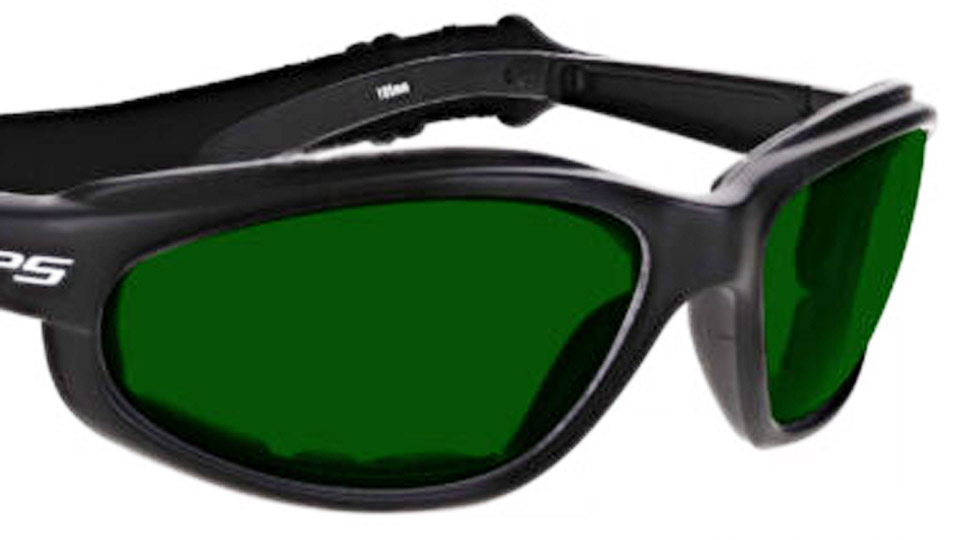
Image by phillips-safety
Why Eye Protection Is Important
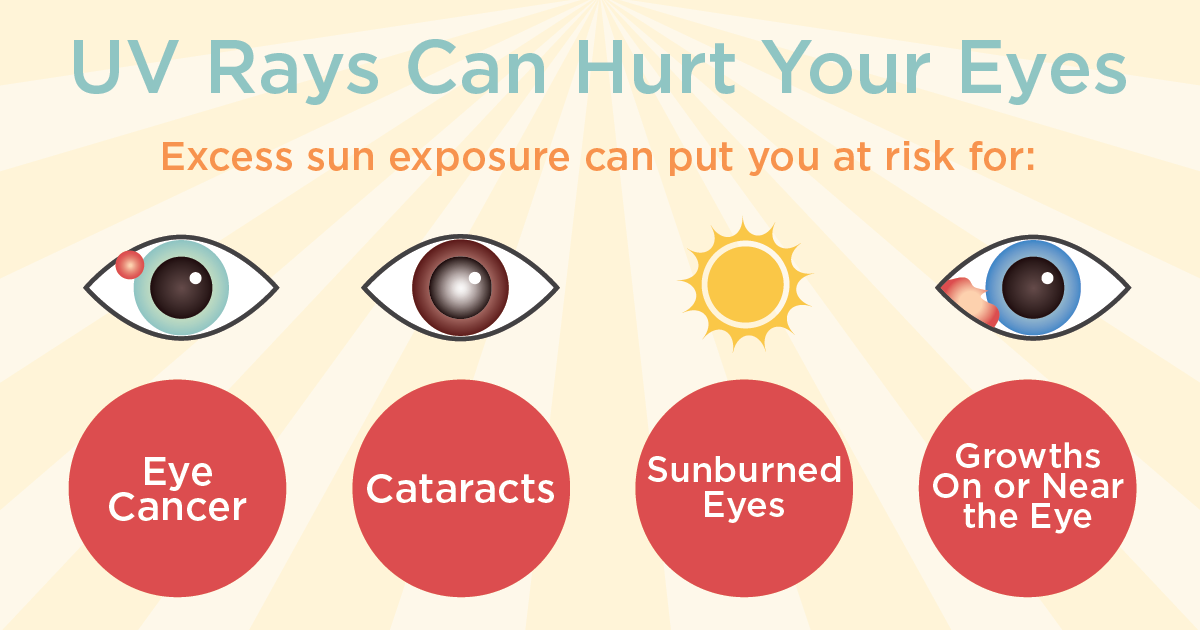
When you step outside, your eyes are exposed to ultraviolet (UV) rays from the sun. These rays are invisible but can cause real damage. Over time, too much UV exposure increases your risk of cataracts, macular degeneration, and even some eye cancers. Short-term exposure can also lead to photokeratitis, a painful sunburn of the eye.
Many people think clouds protect their eyes, but up to 80% of UV rays can pass through clouds. Snow, water, sand, and even pavement can reflect sunlight, increasing how much reaches your eyes. This is why UV protection is necessary all year round, not just at the beach or on bright days.
Wearing sunglasses with proper protection does more than stop discomfort. They help you see clearly, reduce headaches from glare, and keep your eyes safe from long-term harm.
Understanding Uv Protection
The single most important feature in sunglasses is UV protection. Not all sunglasses offer it, and darker lenses don’t always mean better protection.
What to look for:
- 100% UVA and UVB protection: The label should say “100% UV protection,” “UV400,” or “blocks 99-100% UVA and UVB.”
- Trusted brands: Fake or cheap sunglasses sometimes have no real UV filter, even if they are dark.
- Check certifications: Some sunglasses have stickers or tags showing they meet national or international safety standards (like ANSI, CE, or ISO).
Why Uv400 Matters
UV400 means the lenses block all light rays with wavelengths up to 400 nanometers, covering both UVA and UVB. This is the highest level of UV protection available in consumer sunglasses.
Non-obvious insight: Even clear or lightly tinted lenses can provide full UV400 protection if the coating is applied properly. Don’t judge safety by color or darkness alone.

Credit: turnersopticians.co.uk
Polarization: What It Is And When You Need It
Polarized sunglasses are popular, but many people don’t know what they do. Polarization is a special filter that reduces glare from flat surfaces like water, roads, and snow. This makes images clearer and colors more vivid.
When Are Polarized Lenses Most Useful?
- Driving: Cuts glare from car hoods, roads, and windows.
- Fishing and water sports: Helps you see below the water’s surface.
- Snow activities: Reduces glare that can cause temporary blindness.
But polarization does not increase UV protection. It’s a comfort feature, not a safety feature.
Non-obvious insight: Polarized lenses can sometimes make it hard to read LCD screens, like those on phones or car dashboards. If you use these often, try sunglasses before you buy.
Lens Color: Myths And Facts
Many people believe that darker lenses protect your eyes better. This is not true. Lens color affects how you see colors and contrast, but not the level of UV protection.
Common Lens Colors And Their Uses:
- Gray: Reduces brightness with the least color distortion. Good for everyday use.
- Brown/Amber: Improves contrast, especially on cloudy days or for sports.
- Green: Reduces glare and helps with contrast without much color change.
- Yellow/Gold: Good for low-light conditions but not for bright sunlight.
- Blue/Purple: Mostly cosmetic; can reduce glare in certain sports.
Tip: Choose lens color based on your activity and what feels comfortable, not on myths about safety.
Lens Material And Durability
The material of your sunglasses lenses changes weight, clarity, and resistance to breaking.
| Lens Material | Pros | Cons |
|---|---|---|
| Polycarbonate | Lightweight, shatter-resistant, good for sports | Can scratch easily without coating |
| Trivex | Light, strong, clear vision, better optical quality than polycarbonate | Usually more expensive |
| Glass | Best clarity, scratch-resistant | Heavier, can break on impact |
| Plastic (CR-39) | Good optics, affordable, lightweight | Less impact-resistant |
If you play sports, pick polycarbonate or Trivex lenses for safety. For daily use, plastic or glass work well if you’re careful.
Practical tip: Always check if the lenses have a scratch-resistant coating. Even tough materials can get scratched without it.
Frame Styles And Coverage
Frame style is not just about fashion. The right shape and size can keep more sunlight, dust, and wind out of your eyes.
What To Consider:
- Wraparound frames: Offer the most coverage. They block sunlight from the sides and top.
- Oversized frames: Cover more area, especially for people with larger faces.
- Close-fitting frames: Reduce gaps where light can enter.
- Sports frames: Often have grip pads and won’t slip during activity.
Non-obvious insight: Sunglasses with bigger lenses give extra protection to the delicate skin around your eyes, which can help prevent wrinkles and reduce the risk of skin cancer on your eyelids.
Fit And Comfort
You’re more likely to wear sunglasses if they’re comfortable. Badly fitting sunglasses can give you headaches, pinch your nose, or slide down your face.
How To Check The Fit:
- The frames should sit snugly but not too tight.
- The weight should be balanced across your nose and ears.
- Your eyelashes should not touch the lenses.
- Sunglasses should not slide when you move your head.
Tip: Try sunglasses on for at least five minutes before buying. Move your head and smile to see if they stay in place.
Special Lens Coatings
Modern sunglasses can have extra coatings that add comfort and durability.
| Coating | Benefit |
|---|---|
| Anti-reflective | Reduces reflection from the back of lenses |
| Mirror coating | Reflects more light, keeps eyes cooler |
| Scratch-resistant | Protects lenses from everyday wear |
| Hydrophobic (water-repellent) | Makes cleaning easier, prevents water spots |
| Photochromic | Automatically darkens in sunlight |
Practical advice: Photochromic lenses are helpful if you move between indoors and outdoors often. But they may not darken much inside cars, since windshields block UV light.
Credit: www.pittsburgheyeassociates.com
Sunglasses For Different Activities
The best sunglasses depend on how you plan to use them. Here’s what matters for different situations:
For Driving
- Look for gray or brown lenses (natural color vision).
- Polarized lenses reduce glare from roads and car hoods.
- Avoid very dark lenses at dusk or dawn.
For Sports
- Choose polycarbonate or Trivex for impact resistance.
- Wraparound frames stay on and block wind.
- Amber or brown lenses help with contrast (e.g., for cycling, running).
For Water Activities
- Polarization is a must to cut water glare.
- Floating frames are helpful if you drop them in water.
For Snow And Mountain
- Mirror coatings reflect extra sunlight.
- Polarized lenses help with glare from snow.
- Wraparound frames block wind and UV from all directions.
For Daily Fashion
- Any style works, but make sure they have 100% UV protection.
- Pick a shape that fits your face and personal style.
Non-obvious insight: Cheap, non-UV sunglasses can be worse than no sunglasses. Dark lenses without UV protection make your pupils open wider, letting in more harmful rays.
Children’s Sunglasses
Kids’ eyes are more sensitive to UV rays. They spend more time outdoors and their eyes let in more light.
How to choose for children:
- Look for durable, flexible frames.
- Ensure 100% UV protection (same as adults).
- Polycarbonate lenses are safest.
- Use a strap or band to keep them on.
- Let children pick the style—they’ll wear them more if they like them.
Data point: Up to 80% of a person’s lifetime UV exposure happens before age 18. Starting early with good sunglasses can make a big difference.
Prescription Sunglasses
If you wear glasses, you don’t have to choose between clear vision and sun protection.
Options:
- Prescription sunglasses: Custom-made with your vision needs and full UV protection.
- Clip-on lenses: Attach to regular glasses, but may not block side light.
- Photochromic lenses: Change from clear to dark automatically.
- Fit-over sunglasses: Larger sunglasses worn over your regular glasses.
Practical tip: Prescription sunglasses can be more expensive, but they offer the best clarity and protection.
Price And Value: Is Expensive Always Better?
You don’t need to spend a fortune for safe sunglasses. Price does not always equal protection.
- Check the label: Low-cost sunglasses can offer full UV protection if they meet safety standards.
- Avoid street vendors: Fake brands may not deliver real UV protection.
- Look for warranties: Good brands often offer repairs or replacement for defects.
Price Comparison Example
| Price Range | Typical Features | UV Protection? |
|---|---|---|
| $10–$30 | Basic frame, limited style, may have UV400 label | Sometimes (check for certification!) |
| $30–$100 | Better materials, more style options, some coatings | Often (look for trusted brands) |
| $100 and up | Premium materials, designer brands, advanced coatings | Almost always (but verify label) |
Tip: Spend what you can afford, but always check for real UV protection, not just style.
Common Mistakes When Choosing Sunglasses
Many people make errors that reduce eye protection, sometimes without realizing it.
- Choosing style over safety: Fashion is important, but never pick sunglasses without checking for UV protection.
- Trusting darkness: Dark lenses are not always safer. The UV filter is what matters.
- Skipping sunglasses on cloudy days: UV rays pass through clouds, so protection is still needed.
- Ignoring fit: Gaps at the sides or top let in harmful light.
- Not replacing old sunglasses: UV coatings can wear out. Test or replace sunglasses after a few years.
- Assuming all “designer” sunglasses are safe: Always check the label, even for expensive brands.
- Forgetting about children: Kids need sunglasses as much as adults.
Non-obvious insight: If your sunglasses are scratched or the coating is peeling, their UV protection may be reduced. Replace them if damaged.
How To Test Sunglasses For Uv Protection
It’s not always possible to tell if sunglasses are safe just by looking. Some optical shops have UV meters that can test sunglasses. If you’re unsure, ask to have your sunglasses checked before buying.
If you buy online, choose trusted brands and check for return policies if you’re not satisfied.
Practical tip: If sunglasses don’t have a clear label or certification, don’t take the risk.
Caring For Your Sunglasses
Proper care extends the life and effectiveness of your sunglasses.
- Store them in a case: Prevents scratches and bending.
- Clean with a microfiber cloth: Avoid paper towels or clothing, which can scratch lenses.
- Rinse with water first: Removes dust before wiping.
- Avoid leaving in hot cars: High heat can warp frames and damage coatings.
Bonus: Keeping sunglasses clean improves both your comfort and your safety when driving or doing sports.
Fashion Vs. Function
It’s possible to have both. Modern sunglasses come in countless styles, from classic aviators and wayfarers to sporty wraparounds and oversized fashion frames.
If you have a specific face shape, try these guidelines:
- Round face: Rectangular or square frames add angles.
- Square face: Round or oval frames soften sharp lines.
- Oval face: Most styles fit well.
- Heart-shaped face: Bottom-heavy frames balance the forehead.
But remember, the most important factor is UV protection. Never sacrifice safety for looks.
Where To Buy Safe Sunglasses
You can buy sunglasses at optical stores, pharmacies, sports shops, and online. Each has pros and cons:
- Optical stores: Expert advice, try before you buy, prescription options.
- Pharmacies: Affordable, but check labels carefully.
- Sports shops: Great for specialized sunglasses (cycling, skiing, etc. ).
- Online: Wide variety, but buy only from trusted sellers.
When buying online, look for sites with real customer reviews, clear return policies, and information about UV protection.
Wrapping Up
Sunglasses are more than an accessory—they are a shield for your eyes. Taking time to choose the right pair helps keep your vision safe for years to come. Remember, look beyond style and price; put eye health first, and enjoy the sun with confidence.
Frequently Asked Questions
What Does Uv400 Mean On Sunglasses?
UV400 means the sunglasses block all ultraviolet rays with wavelengths up to 400 nanometers. This covers both UVA and UVB rays and provides the highest level of UV protection for your eyes.
Do Polarized Sunglasses Offer Better Eye Protection?
Polarized lenses reduce glare and improve visual comfort, especially on water or shiny surfaces. However, polarization does not add UV protection. Always check for a UV label, not just polarization.
How Can I Tell If My Sunglasses Block Uv Rays?
Look for labels or tags that say “100% UV protection,” “UV400,” or show an official certification (like ANSI, CE, or ISO). If you’re unsure, ask an optical shop to test your sunglasses with a UV meter.
Can Children Wear Adult Sunglasses?
It’s better to buy children’s sunglasses with proper fit and safety features. Adult sunglasses may not fit well, letting light in at the sides, or may be uncomfortable for children to wear.
Is It Safe To Buy Cheap Sunglasses?
Cheap sunglasses can be safe if they have certified UV protection. But many low-cost or fake brands skip this feature. Always check for a clear UV label and buy from trusted sellers.