Nothing kills a backyard cookout or a quick shop repair faster than a stuck safety valve on your BBQ propane tank. Whether the handwheel won’t turn or the Overfill Protection Device (OPD) has tripped and killed the flow, this issue shows up more often than you’d expect—especially with tanks that sit unused through winter or get swapped at busy exchange stations.
Learning how to unstick the safety valve on a barbeque propane tank safely saves you time, money, and headaches.
More importantly, it keeps you from doing something dangerous like forcing it with tools or ignoring a real leak risk. In this guide, I’ll walk you through real-world fixes I’ve used and seen work on standard 20-pound cylinders that power most USA grills.
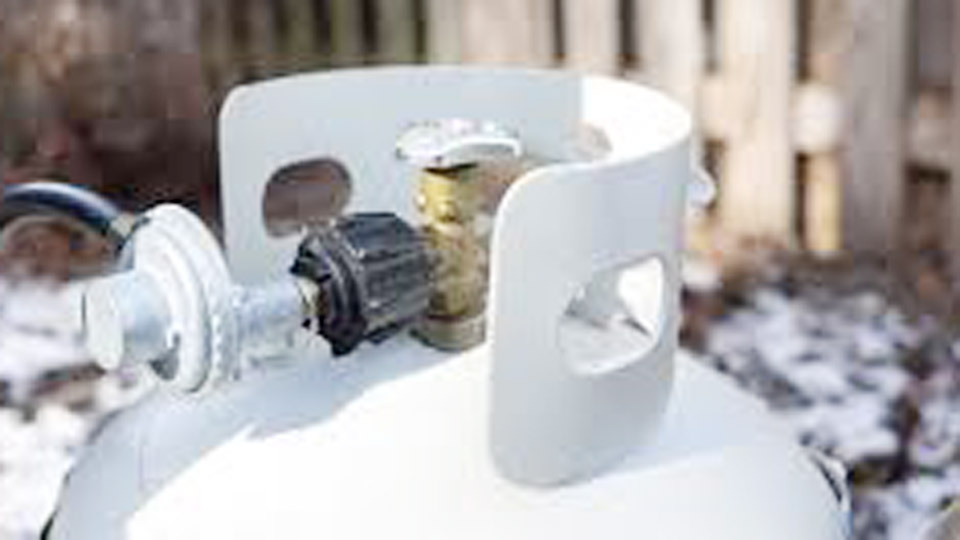
Image by marthastewart
Understanding the Propane Tank Safety Valve System
Modern propane tanks use a valve assembly with several built-in safety features. The main handwheel controls the service valve. Inside sits the OPD, a float mechanism that prevents overfilling. There’s also an excess flow valve that slams shut if it detects a sudden rush of gas, like a hose rupture.
The relief valve (or safety valve) is the spring-loaded component that vents excess pressure if the tank gets too hot or over-pressurized. When people say the “safety valve” is stuck, they usually mean one of two things: the handwheel is seized, or the internal OPD/excess flow device won’t reset and allow gas to flow.
These mechanisms work reliably until dirt, corrosion, cold weather, or improper closing/opening sequences gum them up. In a welding or fab shop, we see this constantly because tanks bounce around in truck beds and sit in varying temperatures.
Common Reasons the Safety Valve Gets Stuck
Cold weather contracts metal and can freeze small amounts of moisture inside the valve. Over-tightening the handwheel during storage crushes the stem packing. Debris from exchange stations or repeated connect/disconnect cycles introduces grit. The OPD float can stick after a tank is filled too aggressively or left partially open.
A tripped excess flow valve often happens when you open the tank valve before fully connecting the regulator or if the grill valve was already open. Beginners and seasoned grillers both make this mistake after swapping tanks quickly.
Pro insight: In my experience, tanks stored outdoors year-round in humid or coastal areas (think Gulf Coast or Pacific Northwest shops) seize faster than those kept in a dry garage.
Safety First: When to Walk Away and Exchange the Tank
Before trying any fix, assess the situation. If you smell gas, hear hissing, or see frost around the valve, stop immediately. Do not attempt repairs on a leaking tank. Take it to a certified propane dealer or exchange it.
Never use pipe wrenches, channel locks, or pliers on the handwheel. Manufacturers explicitly warn against this because you can shear the stem or create a leak path. If basic methods fail and the tank is still under pressure, the safest move is exchanging it at a reputable station. Your time and safety outweigh a few bucks.
Wear eye protection and gloves. Work in a well-ventilated outdoor area away from flames, sparks, or ignition sources. Have a fire extinguisher rated for gas fires nearby.
Step-by-Step: How to Unstick a Stuck Handwheel Valve
Start simple and escalate only if needed.
Inspect and clean the exterior: Wipe away dirt, rust, or old grease around the handwheel and stem. Look for obvious damage.
Apply penetrant: Spray a good penetrating oil like WD-40 or PB Blaster on the threads where the stem meets the valve body and under the handwheel. Let it soak 10-15 minutes. Tap gently with a soft mallet or the handle of a screwdriver to help it work in.
Improve your grip: Use a rubber glove, leather work gloves, or a rubber jar opener pad for better torque without tools. Lean your body weight into it while turning clockwise (to close) or counterclockwise (to open) firmly but smoothly.
Temperature trick: If it’s cold out, bring the tank into a warmer space for 20-30 minutes. Avoid direct heat sources like hairdryers on high that could create uneven expansion.
Bleeder screw method: Some valves have a small bleeder or test port. With the tank valve pointing away from you, carefully open it briefly with a flathead screwdriver to relieve any pressure differential that might be binding the stem. Close it immediately.
If it still won’t budge after soaking and multiple attempts, exchange the tank.
Resetting a Tripped OPD or Excess Flow Safety Valve
This is the most common “no gas flow” complaint even when the handwheel turns.
Standard reset procedure:
- Turn off all burners and the tank valve.
- Disconnect the regulator hose from the tank.
- Wait 5-10 minutes for pressure to equalize.
- Reconnect the hose firmly—hand tight plus a quarter turn.
- Slowly open the tank valve (1/4 turn every few seconds). Opening too fast trips the excess flow device again.
For stubborn OPD floats, some experienced users gently press the brass poppet or pin in the center of the valve outlet with a small screwdriver (tank disconnected) to reset the mechanism. Use caution and wear gloves—gas will escape.
Another shop trick for truly stuck internals: with the tank upright and disconnected, lift it a few inches and drop it straight down onto a wooden block or grass a few times. This can jar the float loose without damage. I’ve seen it work on tanks that sat idle for months.
Tools and Materials That Actually Help in the Shop
- Penetrating oil
- Rubber gloves or grip pads
- Flathead screwdriver (for bleeders or gentle reset)
- Soft mallet
- Replacement POL or Type 1 regulator hose (keep spares)
- Soapy water solution for leak testing
Avoid adjustable wrenches on the valve body. Use them only on the regulator nut if needed, with extreme care.
Comparison: Handwheel Stuck vs. OPD Tripped vs. Regulator Issues
Handwheel won’t turn:
- Symptom: Physical resistance when trying to rotate.
- Fix priority: Penetrant, grip, temperature.
- Success rate: High with patience.
No gas flow despite open valve:
- Symptom: Handwheel turns but grill won’t light or flows weakly.
- Fix priority: Full disconnect/reconnect cycle, slow open.
- Often misdiagnosed as empty tank.
Regulator frozen or failed:
- Symptom: Frost on regulator, intermittent flow.
- Fix: Reset procedure plus possible replacement.
I keep a small chart in my shop notebook for quick reference when troubleshooting multiple tanks.
Preventive Maintenance to Avoid Future Stuck Valves
Store tanks upright in a shaded, dry area. Close the valve fully when not in use, but don’t gorilla-tighten it. Open valves slowly every time. Disconnect regulators when storing for long periods. Periodically exercise the handwheel on stored tanks.
In welding shops, we purge lines and check O-rings regularly because vibration and heat cycles accelerate wear. Apply the same habits to your BBQ tank.
Material and Compatibility Notes for Fabricators
Standard 20 lb BBQ tanks use Type 1 (OPD) valves with ACME threads. Older POL fittings are incompatible with new safety valves. When buying hoses or adapters, match the Type 1 connection.
For shop use with torches, consider larger cylinders with proper regulators rated for the application—never jury-rig BBQ valves for high-flow cutting torches.
Common Mistakes That Make the Problem Worse
Forcing the valve with tools is the top error. It damages the stem packing and creates leak risks. Opening the valve quickly before full connection trips safety devices repeatedly.
Storing tanks on their side lets liquid propane reach the valve and cause internal issues. Ignoring the smell of gas and continuing to troubleshoot is dangerous.
Beginners often blame the grill when the tank is the culprit. Pros check the tank first.
When to Call a Professional or Exchange the Tank
If you’ve tried the penetrant soak, reset cycles, and gentle methods with no success, or if there’s any damage to the valve body, exchange it.
Certified propane handlers have the proper tools and can inspect or replace the valve assembly safely. In most US states, tampering with the valve voids certifications and can be illegal if not done by qualified persons.
Real-World Shop Examples
Last summer a fabricator buddy brought over a tank that wouldn’t open after sitting in his truck bed for weeks. WD-40 soak plus the drop method freed the OPD. Another time on a big BBQ event, multiple exchange tanks had tripped excess flow from rushed hookups. We reset them all with the slow-open method and finished the cook.
These small issues eat into productive time whether you’re welding brackets or grilling ribs.
Wrapping Up
After handling dozens of these situations over the years, the key takeaway is patience combined with respect for the pressure vessel.
Understand the difference between a seized handwheel and a tripped safety mechanism, work methodically, and default to exchange when in doubt. You’ll avoid dangerous shortcuts and keep your equipment reliable.
Keep a dedicated “tank rescue” kit in your truck or shop with penetrant, gloves, spare hoses, and a notepad to log which tanks give trouble. The ones that stick repeatedly usually need retirement or valve service before they become a real safety incident on the job site.
FAQ
Why won’t my propane tank valve open even after adding oil?
It could be severe corrosion, an over-tightened stem, or internal OPD binding. Try the temperature change and bleeder method. If it still won’t budge safely, exchange the tank—don’t risk breaking it.
How do I know if the safety valve is stuck open or closed?
Stuck closed usually means no gas flow. Stuck open (rare but serious) means continuous leak or inability to shut off. For the latter, evacuate the area and call professionals or let it safely burn off in a controlled manner far from structures if advised by experts.
Can I use tools to loosen a stuck BBQ propane valve?
Never on the handwheel. It can damage the valve and create a leak. Stick to hand pressure, penetrant, and proper grip aids.
Does dropping the tank really unstick the safety valve?
It can jar a stuck OPD float back into position on some tanks. Use controlled drops onto a soft surface, tank upright, as a last resort before exchanging.
How often should I check my propane tank valves?
Before every use, especially after long storage. Test connections with soapy water and exercise the valve periodically on stored tanks.