On busy job sites, power connections for welding machines take a beating. Dust, vibration, accidental pulls, and constant movement can loosen standard plugs faster than most people expect.
That’s why learning how to use crouse hinds welding receptacle safety lock properly matters—not just for keeping equipment connected, but for preventing dangerous interruptions and electrical hazards while welding.
A lot of welders overlook these locking systems until a cable disconnects in the middle of a weld or someone trips over a loose connection. I’ve worked around setups where a properly secured receptacle made a huge difference in both safety and workflow, especially in industrial environments where reliability matters every minute.
The good thing is that these safety locks are designed to be straightforward once you understand how they engage and secure the connection.
I’ll walk through the practical steps for using a Crouse-Hinds welding receptacle safety lock correctly, along with common mistakes to avoid and tips for keeping the connection secure on the job.
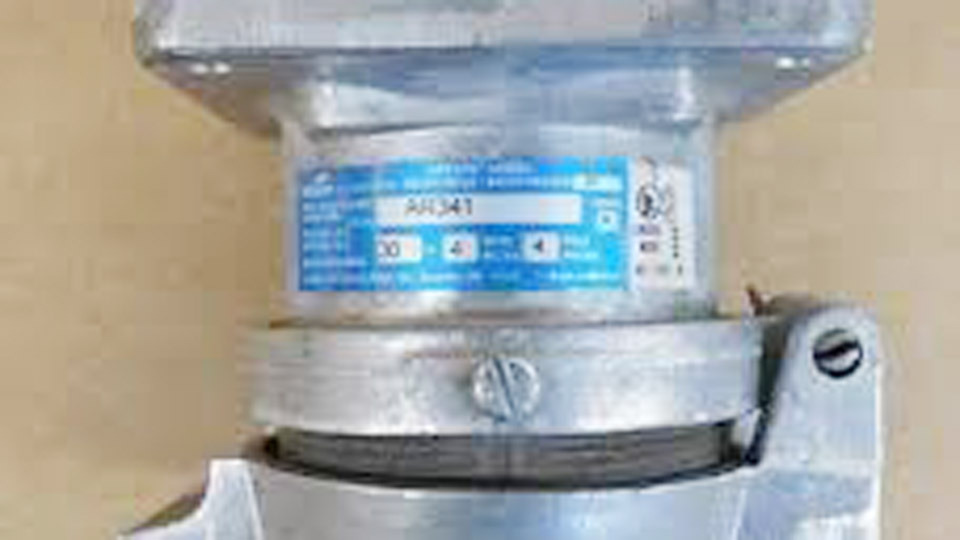
Image by metrosystems
What Exactly Is a Crouse-Hinds Welding Receptacle Safety Lock?
Crouse-Hinds (now under Eaton) Arktite interlocked receptacles, such as the WSRD or CSR series, pair a pin-and-sleeve receptacle with an enclosed safety disconnect switch.
The “safety lock” refers to the mechanical interlock that physically prevents the switch from turning ON without the plug fully inserted and locked, and stops you from removing the plug while the circuit is live.
The design includes a rotating clamping ring on the plug that mates with the receptacle, plus a delayed-action mechanism in some models that gives the arc time to snuff out inside the chamber before full disconnection. This is gold for welders running SMAW, GMAW, or GTAW machines that draw serious amperage.
Why These Safety Locks Matter in Real Welding Work
Powering a welder isn’t like plugging in a shop light. A 60A or 100A circuit under load can create massive arcs if disconnected improperly. I’ve seen guys yank cords and get flash burns or trip breakers because of it. The interlock forces a safe sequence: insert plug, turn switch ON, weld, turn switch OFF, then remove plug.
This setup shines in mobile repair rigs, fab shops with multiple machines, and outdoor jobs where vibration, moisture, or dust is constant. It reduces wear on contacts, prevents accidental disconnection during critical passes, and gives peace of mind on high-value jobs.
Choosing the Right Crouse-Hinds Interlocked Receptacle for Your Welder
Match the receptacle to your welder’s power requirements. Common ratings include 30A, 60A, and 100A, with 3-pole + ground or 4-pole configurations depending on voltage (240V single-phase or 480V three-phase).
- 30A models: Great for smaller MIG or TIG machines in home shops or light fab.
- 60A models: Workhorse choice for most stick and wire-feed welders in professional settings.
- 100A+: For heavy multi-process machines or simultaneous tools.
Check your welder’s nameplate for full load amps (FLA) and voltage. Always size the receptacle and circuit breaker with headroom—never run at 100% continuously.
Quick Compatibility Table:
| Welder Type | Typical Amperage | Recommended Crouse-Hinds Series | Poles | Notes |
|---|---|---|---|---|
| Light MIG/TIG | 20-40A | 30A WSRD/CSR | 3P+G | Single-phase 240V |
| Standard Stick/MIG | 50-80A | 60A WSRD | 3P+G or 4P | Most common shop setup |
| Heavy Multi-Process | 90-150A | 100A models | 4P | 480V three-phase preferred |
| Portable Generator Use | Varies | Matching plug rating | Match | Use lockout features |
Step-by-Step: How to Install and Use the Crouse-Hinds Safety Lock Receptacle
Safety first — Turn off main power, lock out/tag out, and verify with a meter.
Mount the enclosure securely on a wall, post, or mobile cart. Use appropriate hardware for the weight and vibration. Ensure NEMA 4 or better rating for your environment.
Wire it correctly. Follow the manufacturer’s diagram for line and load sides. Use proper gauge copper conductors and torque specs. Grounding is critical—Style 1 or 2 depending on the model.
Insert the plug: Align the keyway on the plug sleeve with the key in the receptacle. Push fully in. Slide and tighten the clamping ring clockwise by hand until secure. This locks it mechanically.
Energize: With the plug fully engaged, turn the handle to ON. The interlock prevents this if the plug isn’t seated properly.
Weld safely: Perform your work. The connection stays rock-solid even with cable tugs common in fab work.
De-energize and remove: Turn the switch to OFF first. This opens the circuit safely. Then loosen the clamping ring counterclockwise, slide it back, and pull the plug. Some models have a delayed-action lever you rotate to fully withdraw.
Never force the handle or try to remove the plug under load. Doing so damages the interlock and defeats the safety purpose.
Common Mistakes Beginners and Pros Make
Forcing the switch without the plug inserted: This is the fastest way to wreck the mechanism. The interlock is there for a reason—respect it.
Using mismatched plugs: Only use compatible Arktite plugs of the same amperage rating. The polarized design prevents cross-mating.
Skipping joint prep on the power side: Loose wiring inside the enclosure leads to heat buildup and failure under welding loads.
Ignoring environmental factors: In dusty or wet shops, clean contacts regularly and use dielectric grease where recommended.
Overlooking lockout/tagout: Many models support lockout plugs for maintenance. Use them when working on the welder downstream.
I’ve fixed more than one setup where a pro tried to “make it work” with the wrong plug and ended up with burned contacts.
Machine Settings and Power Considerations for Safe Operation
Your welding machine settings depend on the process, but the receptacle ensures consistent power delivery. For SMAW (stick):
- 1/8″ E7018 rods: 90-150A typical on 240V setups.
- 5/32″ rods: Push toward 180-220A—ensure your circuit and receptacle handle it without voltage drop.
For MIG, maintain steady voltage. Interlocked power reduces fluctuations that cause poor penetration or spatter.
Joint prep reminder: Clean metal, good fit-up, and proper ground clamp placement all matter more when power is reliable. A solid electrical connection at the receptacle level means better arc stability and less rework.
Maintenance and Troubleshooting Tips from the Shop Floor
- Inspect the clamping ring threads and contacts quarterly.
- Clean with approved solvents—avoid anything that leaves residue.
- Check for proper torque on all terminals.
- If the switch feels stiff, don’t force it; investigate misalignment or wear.
- Test the interlock function regularly: Try turning ON without the plug (it shouldn’t work).
In high-vibration mobile welding trucks, re-torque everything after the first few uses.
Pros and Cons of Crouse-Hinds Interlocked Receptacles
Pros:
- Prevents unsafe make/break under load.
- Rugged construction for industrial abuse.
- Built-in safety features reduce liability.
- Long service life with proper care.
- Compliance with codes for hazardous or high-power applications.
Cons:
- Higher upfront cost than standard receptacles.
- Requires compatible plugs (can limit quick swaps).
- Slightly bulkier for very tight shop spaces.
- Learning curve for new users on the exact sequence.
In my experience, the pros far outweigh the cons once you integrate them into your workflow.
Real-World Applications in Fabrication and Repair
On structural steel repairs, I mount a 60A unit on the truck bed for quick welder hookup without worrying about someone bumping the cord. In a shop doing heavy plate work, multiple interlocked outlets let operators share power sources safely.
For students or hobbyists upgrading a garage setup, starting with a properly rated 30A or 60A interlocked receptacle future-proofs the bench and teaches good safety habits early.
Advanced Tips for Professional Welders
Use the lockout plug feature during downtime or when tagging equipment out for inspection. In three-phase 480V setups common in larger fabs, the four-pole versions handle neutral if needed and provide excellent grounding continuity.
Pair with quality welding cable—extra-flexible types reduce strain on the plug. Consider weatherproof boots or covers for outdoor use even with NEMA 4 enclosures.
Taking It Further: Integrating into Your Shop Workflow
Once installed, train everyone who uses the machine. Make the ON/OFF sequence part of your standard operating procedure. It adds seconds to each job but saves hours in prevented damage and accidents.
Final Shop Wisdom
After running these systems for years across repair jobs, structural work, and custom fab, the biggest takeaway is consistency. Treat the power connection with the same respect you give your ground clamp and electrode. A reliable Crouse-Hinds safety lock turns potential headaches into set-it-and-forget-it reliability.
Before every big job, do a dry run of the full power sequence—plug in, energize, check voltage at the machine under light load, then de-energize. It catches issues before you’re committed to a weld that needs perfect penetration.
Wrapping Up
Mastering your power connections is as important as dialing in amperage or choosing the right rod. With a solid understanding of how to use Crouse-Hinds welding receptacle safety locks, you’ll work safer, weld better, and spend less time fixing problems that never should have happened. Get the right setup, follow the sequence, and focus on what matters—laying down clean, strong beads.
FAQ
How do I know if my welder plug is compatible with Crouse-Hinds Arktite receptacles?
Match the amperage rating exactly and use genuine Arktite plugs. Look for the keyway alignment and clamping ring. Mismatched plugs won’t seat fully, and the interlock won’t allow the switch to turn on.
Can I disconnect the plug while the welder is under load?
No. Always turn the safety switch OFF first. The interlock is designed to prevent removal under load precisely to avoid dangerous arcing and equipment damage.
What’s the difference between standard receptacles and these interlocked ones for welding?
Standard ones let you plug and unplug live, risking arcs and code violations. Interlocked versions force a safe disconnect sequence and often include HP-rated switches for motor-like loads such as welders.
How often should I inspect and maintain the receptacle?
Visually check before each heavy use. Deep clean and torque inspection every 3-6 months or after 100+ connection cycles, depending on your shop conditions.
Are these suitable for outdoor or mobile welding rigs?
Yes, especially NEMA 4X or stainless models. They handle weather, vibration, and dust far better than consumer-grade options when properly mounted and protected.