
Arc welding, especially shielded metal arc welding (SMAW or stick), delivers strong results on everything from mild steel repairs to structural work. But it comes with real risks if you skip the basics. Burns, eye damage, electric shock, and fume exposure happen more often than they should, often because someone got in a hurry or thought “just this once” wouldn’t matter.
Safety precautions during arc welding protect you, your crew, and the job site. Proper habits prevent injuries, reduce rework, and keep projects moving.
Whether you’re a DIY hobbyist building a trailer, a student learning the trade, or a pro on a job site, these practices matter every single time you strike an arc.
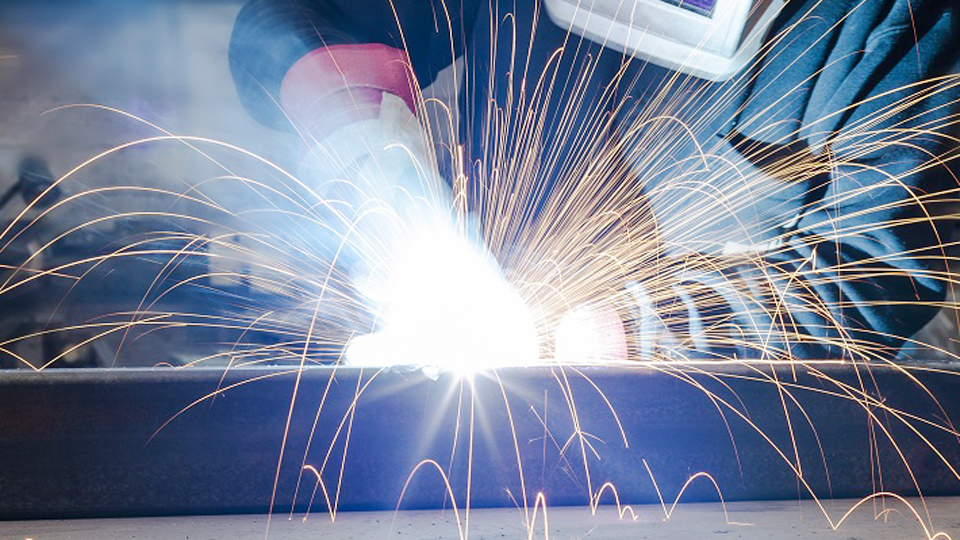
Image by metalexponents
Why Arc Welding Safety Matters in Real Shops
The arc in SMAW reaches temperatures over 10,000°F at the weld pool. That intense heat produces UV and IR radiation, molten spatter, toxic fumes, and high electrical currents. One missed step can lead to flash burns, respiratory issues, or worse.
In my experience, most incidents trace back to skipping PPE, poor workspace setup, or rushing electrode changes. Following precautions isn’t bureaucracy—it’s what separates pros who weld for decades from those who deal with scars or medical bills.
Essential PPE for Arc Welding: Gear That Actually Works
Proper personal protective equipment forms your first line of defense. You can’t cut corners here.
Welding Helmet and Eye Protection
A quality helmet with the right shade lens is non-negotiable. For most SMAW with 1/8″ or 5/32″ electrodes, use shade 10. Go to 11-12 for higher amperage or larger rods.
I always wear auto-darkening helmets on the job because they let me see the joint clearly before striking. Under the helmet, safety glasses with side shields protect against side flash and flying debris when chipping slag. Never weld without them—I’ve seen guys get arc eye from a quick tack, and it’s painful for days.
Clothing and Body Protection
Wear flame-resistant long-sleeve shirts, pants without cuffs, and a leather jacket or apron. Wool or treated cotton works well; avoid synthetics that melt onto skin. High-top leather boots with steel toes keep sparks out and protect your feet.
Gloves deserve special attention. Heavy leather gauntlet gloves that cover your wrists and forearms are standard for stick welding. Keep them dry—wet gloves conduct electricity. I replace gloves as soon as they get holes or become stiff from slag.
Hearing Protection
Grinding and chipping create noise levels that damage hearing over time. Use earplugs or muffs, especially in confined spaces or when running a grinder nearby.
Respiratory Protection
Fumes from the flux coating contain metals and gases. Good ventilation is key, but for indoor or prolonged work, a respirator with the right filters makes a big difference.
Electrical Safety: Preventing Shocks and Shorts
Electric shock ranks among the most serious hazards in arc welding. The open-circuit voltage on many US machines (like Miller or Lincoln stick welders) can reach 70-80V, enough to knock you down, especially in damp conditions.
Grounding and Machine Setup
Always clamp your work cable close to the weld area for good metal-to-metal contact. Inspect cables daily for cracks, fraying, or exposed wires. Keep electrode holders dry and in good condition—never dip a hot holder in water.
Work on dry surfaces or use insulating mats. Never weld while standing in water or with wet gloves. Unplug or turn off the machine when changing electrodes or moving the setup.
Common Mistake to Avoid
Wrapping cables around your body or stepping on them. This damages insulation and creates trip hazards. Route cables overhead or along walls when possible.
Fire and Explosion Prevention
Sparks and hot slag travel surprisingly far—up to 35 feet in some cases. Always clear the area of flammables or cover them with fire blankets. Keep a Class ABC fire extinguisher within reach and know how to use it.
Never weld on or near containers that held flammable liquids unless properly cleaned and purged. I’ve seen near-misses with old fuel tanks—don’t take chances.
Post-weld, check for smoldering spots for at least 30 minutes. Hot work permits on job sites exist for good reason.
Ventilation and Fume Control
Welding fumes irritate lungs and can cause metal fume fever or longer-term issues. Position yourself so fumes rise away from your face. Use exhaust fans or local ventilation, especially indoors or in tanks.
When welding galvanized steel, zinc fumes are particularly nasty—remove the coating first if possible or use extra ventilation and a respirator. Avoid welding in confined spaces without proper setup and a watcher outside.
Workspace Organization and Housekeeping
A clean, organized shop prevents many accidents. Keep floors clear of tripping hazards like electrode stubs, cables, and tools. Store cylinders upright and secured, away from heat and electrical lines.
Good lighting helps you see your work clearly without straining. Welding screens protect others from flash—warn people before striking an arc.
Process-Specific Safety for SMAW
Electrode Handling
Remove electrodes from the holder when not welding. Never leave a hot stub in the holder. Store rods in a dry place—moisture causes porosity and can make them stick badly.
Amperage and Technique
Match amperage to electrode diameter and position. For example, a 1/8″ 7018 rod typically runs 90-150 amps depending on position and machine. Too high causes undercut and spatter; too low leads to poor fusion and sticking.
Maintain a short arc length—about the diameter of the electrode. This reduces spatter and improves control.
Joint Preparation
Clean metal thoroughly. Remove rust, paint, oil, and mill scale. Dirty joints cause porosity, weak welds, and more spatter that can burn you.
Step-by-Step Pre-Weld Safety Checklist
- Inspect all equipment—cables, holder, machine.
- Clear the area of flammables and set up fire protection.
- Put on full PPE including helmet, gloves, jacket, boots, and glasses.
- Ensure proper grounding and ventilation.
- Check workpiece for coatings or residues.
- Warn others in the area.
- Double-check settings for your electrode and material thickness.
During Welding: Habits That Keep You Safe
Keep your body out of the circuit. Don’t lean on the workpiece. Watch your arc and travel speed—rushing leads to defects and more cleanup spatter.
If the electrode sticks, don’t yank it while holding the stinger awkwardly. Break contact safely.
Post-Weld Procedures
Let welds cool naturally before handling. Use pliers or tongs for hot metal. Chip slag carefully while wearing eye protection—hot pieces fly everywhere.
Inspect your work area again for hidden embers.
Common Beginner and Pro Mistakes (And How to Fix Them)
- Skipping full PPE for “quick” tacks: Flash burns on neck or wrists are common. Always suit up completely.
- Welding in poor ventilation: Headaches and fatigue follow. Improve airflow or use a respirator.
- Ignoring cable condition: Shocks or machine damage result. Inspect regularly.
- Poor housekeeping: Trips and fires happen. Clean as you go.
- Wrong shade or no safety glasses: Arc flash or slag in eyes. Use proper protection every time.
Pros sometimes get complacent after years on the job. Stay sharp—treat every weld like it’s your first day.
Safety Considerations for Different Materials and Environments
Mild steel is forgiving, but stainless, aluminum, or coated metals need extra care. Galvanized material requires excellent ventilation. Outdoor welding adds wind and weather challenges—secure everything and watch for changing conditions.
In confined spaces, follow strict entry procedures, continuous monitoring, and rescue plans.
Comparison of Key Safety Measures
| Hazard | Primary Protection | Common Mistake | Pro Tip |
|---|---|---|---|
| Eye/Arc Radiation | Helmet + Shade + Glasses | Wrong shade or no under-glasses | Auto-darkening for better visibility |
| Burns/Spatter | Leather PPE, long sleeves | Short sleeves or thin gloves | Gauntlet gloves that cover wrists |
| Electric Shock | Dry conditions, good grounding | Wet gloves or poor cables | Inspect daily, clamp close |
| Fumes | Ventilation + Respirator | Welding in closed spaces | Position so fumes rise away |
| Fire | Clear area + Extinguisher | Forgetting hot work distance | 35 ft rule for sparks |
Training and Continuous Improvement
Read your machine manual. Take a good welding safety course if you’re new or refreshing. Certifications like AWS often emphasize safety alongside technique.
Stay updated—standards evolve, and new gear improves comfort and protection.
Takeaways for Safer Arc Welding
You’ve got the core knowledge now: full PPE every time, clean workspace, proper ventilation, electrical awareness, and fire prevention. Master these and you’ll weld confidently for years, producing strong joints without unnecessary risks.
The best pros I know treat safety as part of their skill set, not an add-on. They move efficiently because habits are automatic. One strong piece of advice from the shop floor: Slow down just enough on setup to go faster and cleaner on the actual weld. It saves time, metal, and skin in the long run.
FAQ: Real Questions Welders Ask About Arc Welding Safety
What shade lens do I need for stick welding?
For common 1/8″ electrodes, shade 10 works well. Use 11-12 for heavier rods or higher amps. Always test in your lighting conditions.
Can I weld without a respirator if the shop has fans?
Fans help, but for anything more than quick outdoor jobs, a respirator is smarter. Fumes accumulate fast—better safe than dealing with metal fume fever.
How do I avoid sticking electrodes safely?
Use correct amperage, clean metal, and a short arc. If it sticks, break it free quickly without pulling the stinger into a dangerous position. Practice on scrap builds good technique.
What should I do if I get arc flash in my eyes?
Get out of the area, rest your eyes in a dark place, and see a doctor if pain or vision issues persist. Prevention is much easier.
Is leather clothing required or will FR cotton work?
FR-treated cotton or wool works for lighter duty. Leather jackets and aprons give better protection against heavy spatter and heat in production or repair work.


