
The metal was glowing, sparks flying everywhere, and my weld bead looked more like a rugged cliff than a smooth seam. I was halfway through a tricky joint when I noticed flaky, chalky residue sticking to the weld.
That’s when I realized I needed to understand what is slag in welding and why it mattered. Ignoring it could mean weak joints, costly repairs, or even safety hazards down the line.
Learning to manage slag isn’t just about making things look clean—it’s about building durable, strong welds and saving yourself headaches later. In this guide, I’ll break down exactly what slag is, why it forms, and step-by-step techniques to control and remove it.

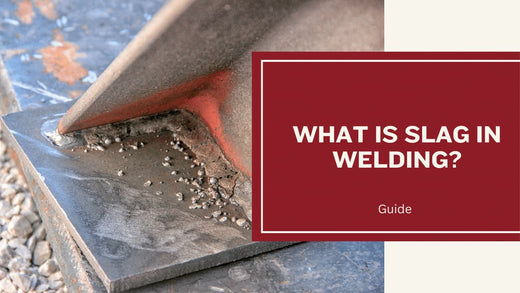
Image by reddit
What Is Slag In Welding?
Slag is a hard, brittle layer that forms on top of a weld bead during or after certain welding processes. It is not part of the finished weld but a by-product created when flux materials melt and react with impurities in the base metal and welding wire.
Slag acts as a protective barrier for the hot weld pool, shielding it from air and preventing defects. Once the weld cools, the slag solidifies and must usually be chipped or brushed away.
Slag is most common in these welding processes:
- Shielded Metal Arc Welding (SMAW), also called stick welding
- Flux-Cored Arc Welding (FCAW)
- Submerged Arc Welding (SAW)
Welding methods like Gas Metal Arc Welding (GMAW) or Tungsten Inert Gas (TIG) do not produce significant slag because they use shielding gases instead of flux.
How Slag Forms During Welding
When a welder uses a flux-coated electrode or a wire containing flux, the heat from the arc melts both the electrode and the flux. As the flux melts, it performs several jobs:
- It creates a gas shield around the molten pool, keeping out oxygen and nitrogen.
- It helps remove impurities (like oxides or sulfur) from the weld area.
- It combines with those impurities and forms a separate layer—the slag.
The molten slag floats to the surface because it is less dense than the metal. As the weld cools, the slag solidifies into a glassy, often brittle covering that must be removed for inspection or before placing another weld bead.
Functions Of Slag In Welding
Slag is not just waste. It plays several important roles during the welding process:
1. Protects The Weld Pool
The most critical function of slag is to shield the hot, molten metal from the air. Oxygen and nitrogen in the atmosphere can cause problems like porosity (tiny holes), cracks, and poor weld strength. By covering the weld, slag prevents these gases from reacting with the metal.
2. Removes Impurities
Slag helps clean the weld pool by collecting oxides, sulfur, and other contaminants. These impurities are trapped in the slag and lifted away from the weld bead.
3. Controls Cooling Rate
Slag acts as an insulating blanket. It slows down the cooling of the weld, which can help reduce the risk of cracks. This is especially important when welding thicker or high-carbon steels.
4. Shapes The Weld Bead
The way slag forms can influence the final shape and appearance of the weld bead. Some types of slag make it easier to create smooth, uniform welds.
5. Prepares For Multiple Passes
In multi-pass welding, slag must be removed before the next bead is placed. This ensures each new layer bonds properly to the metal, free from trapped impurities.
Types Of Slag In Welding
Slag comes in different forms, depending on the welding process and the type of flux used.
Based On Welding Process
- Stick Welding (SMAW) Slag:
Produced by the flux coating on the electrode. Usually brittle and easy to chip off.
- Flux-Cored Arc Welding (FCAW) Slag:
Created by the flux inside the wire. Sometimes harder to remove, especially with self-shielded wires.
- Submerged Arc Welding (SAW) Slag:
Heavy and thick, since the entire arc is covered by granular flux.
Based On Composition
- Silicate Slag:
Contains silicates from the flux. Often glassy and brittle.
- Oxide Slag:
Forms when oxides combine with the flux. Usually darker and sometimes harder to remove.
- Sulfide Slag:
Contains sulfur compounds. Less common but can cause problems if not removed.
Based On Removal Difficulty
- Easy-to-remove Slag:
Brittle, lifts off in large flakes.
- Stubborn Slag:
Adheres tightly to the weld, requiring more effort or special tools.

Credit: primeweld.com
Slag Vs. Spatter: Not The Same Thing
Many beginners confuse slag and spatter. While both are by-products, they are not the same.
- Slag is the protective layer formed by the flux. It sits on top of the weld and is usually easy to separate.
- Spatter is made of tiny droplets of molten metal that fly out from the arc and land near the weld. Spatter is not protective and often creates messy spots on the workpiece.
Understanding the difference helps you use the right tools and techniques for clean welds.
Common Welding Processes That Produce Slag
Several welding methods produce slag, but each does so in a unique way. Here’s a comparison of the main processes:
| Welding Process | Slag Formation | Typical Slag Removal | Usage |
|---|---|---|---|
| SMAW (Stick) | High | Chipping hammer, wire brush | Field repairs, heavy steel |
| FCAW (Flux-Cored) | Moderate to high | Wire brush, power tools | Structural steel, fabrication |
| SAW (Submerged Arc) | Very high | Shovel, chipping tools | Thick plates, automated welding |
| GMAW (MIG) | None or minimal | None | Thin to medium steel, automotive |
| TIG (GTAW) | None | None | Precision, clean work |
Credit: www.arccaptain.com
Why Slag Removal Is Important
Some beginners think slag is harmless, but leaving slag on a weld can cause major problems:
- Weak welds: Trapped slag prevents proper bonding between the metal layers.
- Porosity and cracks: Slag can create holes or cracks, reducing weld strength.
- Poor appearance: Slag makes welds look rough and unprofessional.
- Inspection failure: Welds with slag inclusions often fail quality inspections.
Always remove slag before adding another weld bead or painting the finished product.
How To Remove Slag Properly
Slag removal is a simple, but important, part of the welding process. Here’s how to do it right:
1. Wait For Cooling
Never remove slag while the weld is still hot. Let it cool enough to avoid burns or damage.
2. Use A Chipping Hammer
Tap the slag gently. It often breaks off in flakes. For stubborn slag, use the pointed end.
3. Wire Brush The Weld
After chipping, brush the weld bead to remove fine slag particles. A steel wire brush works best.
4. Try Power Tools For Heavy Slag
For thick or stuck-on slag, use an angle grinder with a wire wheel.
5. Inspect Carefully
Check for any remaining slag or cracks. If needed, repeat the process.
Pro Tips
- Work at a safe angle to avoid flying slag chips.
- Wear safety glasses and gloves.
- For multi-pass welds, always clean between passes.
Credit: weldguru.com
Slag Inclusions: Causes, Effects, And Prevention
Sometimes, slag gets trapped inside the weld. This is called a slag inclusion. It is one of the most common welding defects and can seriously weaken the joint.
Causes Of Slag Inclusions
- Improper slag removal between weld passes.
- Incorrect welding angle or technique, leading to slag being pushed into the weld.
- Low welding current which does not fully melt the slag or base metal.
- Too fast travel speed, trapping slag before it floats to the surface.
Effects Of Slag Inclusions
- Reduced weld strength.
- Higher chance of cracks.
- Failed weld inspections.
- Costly rework or repairs.
How To Prevent Slag Inclusions
- Always remove all slag between passes.
- Use the correct electrode angle (usually 10–15° away from the direction of travel).
- Adjust welding current and speed according to the electrode and metal thickness.
- Keep the weld area clean and free from rust or paint.
Factors That Affect Slag Formation And Removal
Not all slag is the same. Several factors can influence how much slag forms and how easy it is to remove.
Type Of Flux Or Electrode
Different electrodes create different types of slag. For example, rutile electrodes (like E6013) produce easy-to-remove slag, while basic electrodes (like E7018) produce more stubborn slag.
Welding Position
Overhead or vertical welding often traps more slag, making removal harder. Flat and horizontal positions usually result in easier slag removal.
Welding Parameters
- Current: Too low or too high current can change slag behavior.
- Travel speed: Fast travel can trap slag; slow travel gives slag time to rise.
- Arc length: Too long an arc can create excessive slag.
Base Metal Condition
Rust, oil, or paint on the metal can mix with slag, making removal difficult and increasing the risk of inclusions.
Environmental Factors
Humidity can affect flux performance, leading to more or less slag. Storing electrodes in a dry place helps control slag formation.
Advantages And Disadvantages Of Slag In Welding
Slag is both helpful and challenging. Here’s a summary:
| Advantage | Disadvantage |
|---|---|
| Protects weld from air | Needs extra cleaning step |
| Removes impurities | Risk of inclusions |
| Shapes and smooths weld bead | Can hide weld defects |
| Controls cooling rate | Slows down multi-pass welding |
Mistakes Beginners Make With Slag
Many new welders underestimate how important slag is. Here are some common mistakes:
1. Not Removing All Slag
Even small slag particles can cause inclusions or poor welds.
2. Using The Wrong Tool
Soft brushes or plastic tools will not remove slag. Use a steel wire brush or chipping hammer.
3. Skipping Safety Gear
Slag can fly off at high speed. Always wear gloves and eye protection.
4. Not Checking Between Passes
If you weld over unremoved slag, you create hidden weaknesses.
5. Confusing Slag With Spatter
Clean both, but use the right method for each.
Slag In Different Industries
The importance of slag management varies by industry:
- Construction:
Slag removal is critical for structural welds that must pass inspection. Bridges, buildings, and pipelines require strong, defect-free welds.
- Shipbuilding:
Large welds and thick steel plates mean more slag. Automated processes often include mechanical slag removal.
- Automotive:
Most car welding uses MIG, so slag is minimal, but repair shops using stick welding must remove slag for paint and safety.
- Art and Sculpture:
Sometimes, artists leave slag for texture—but this is rare for structural pieces.
Innovations And Technology In Slag Management
Modern welding has new tools and consumables to make slag removal easier:
- Low-slag electrodes:
Special coatings create thinner, easier-to-remove slag.
- Self-peeling slag:
Some electrodes (like certain E7018 rods) produce slag that lifts off as the weld cools.
- Power brush attachments:
Make cleaning faster, especially for large projects.
- Automated welding:
Robots can weld and remove slag in one step, improving productivity.
Environmental Impact Of Slag
Slag is usually non-toxic, but in large welding operations, disposal is important. Some industries recycle slag for road building or as a raw material in cement. However, slag containing heavy metals or hazardous chemicals must be handled carefully. Always follow local environmental and safety rules when disposing of slag.
Non-obvious Insights For Beginners
1. Slag Can Help You Judge Your Welding Technique.
The way slag lifts or stays stuck can show if you used the right angle and speed. Easy-to-remove slag often means good technique.
2. Slag Color And Texture Tell A Story.
Glassy, gray slag is normal, but if slag is black and crusty, you may have welding contamination or need to adjust settings.
3. Don’t Rush Slag Removal.
Removing slag before the weld cools completely can create cracks or damage the bead.
Practical Example: Removing Slag In A Multi-pass Weld
Imagine you’re building a steel frame and need a strong, multi-layer weld. After each weld pass:
- Allow the weld to cool.
- Use a chipping hammer to remove the top layer of slag.
- Brush the bead with a steel wire brush.
- Inspect for any leftover slag or cracks.
- Only start the next pass when the area is clean.
Skipping any step can lead to hidden defects, risking the strength of the whole frame.
Frequently Asked Questions
What Happens If Slag Is Not Removed From A Weld?
Leaving slag on a weld can cause slag inclusions, which are weak spots inside the joint. This can lead to cracks, lower strength, and weld failure, especially in critical structures.
Does Every Welding Method Produce Slag?
No. Slag is common in welding processes that use flux, like SMAW, FCAW, and SAW. Methods that use only shielding gas (like MIG or TIG welding) produce little or no slag.
How Can I Make Slag Removal Easier?
Use the right electrode for your job—some produce easier-to-remove slag. Also, let the weld cool completely, and use a sharp chipping hammer and wire brush. For stubborn slag, a grinder with a wire wheel helps.
Is Slag Dangerous?
Slag itself is not usually toxic, but removing it can send sharp chips flying. Always wear safety glasses, gloves, and protective clothing. If welding painted or coated metals, fumes can be hazardous—ventilate well.
Can Slag Be Recycled Or Reused?
In some industries, welding slag is recycled for road construction or as an additive in cement. However, not all slag is suitable—check local rules and environmental guidelines.
Final Thoughts
Slag in welding is much more than just a leftover by-product. It’s a critical part of the welding process, protecting the weld, removing impurities, and influencing the final result. However, failing to manage slag properly can create weak welds, extra work, and even safety risks.
By understanding what slag is, how it forms, and how to remove it, you’ll ensure your welds are strong, clean, and ready for any inspection. Whether you’re a beginner or improving your technique, mastering slag management is a skill every welder needs.


