Welding thin metal with an arc welder can feel like a tricky job, especially if you’re used to working with thicker materials. The biggest challenge is avoiding burn-through while still making a strong and clean weld.

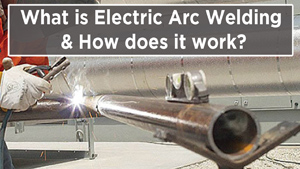
Image by millerwelds
I’ve been there, struggling with warped metal, holes, and messy welds. But with the right techniques, settings, and electrodes, welding thin metal with an arc welder is absolutely possible.
If you’re wondering how to get smooth, strong welds on sheet metal or other thin materials, this guide will walk you through everything you need to know.
Challenges of Welding Thin Metal with an Arc Welder
Before we get into the solutions, let’s talk about why welding thin metal is tough.
- Burn-Through – Thin metal heats up fast, and too much heat will create holes.
- Warping and Distortion – If the metal overheats, it can bend or warp out of shape.
- Electrode Control – Stick welding with an arc welder isn’t as precise as TIG welding, making thin metal welding harder.
- Spatter Issues – Thin metal is more sensitive to excessive spatter, which can make cleanup a nightmare.
Now that we know the challenges, let’s go over how to set up your arc welder and use the right techniques to get great results.
Best Settings for Welding Thin Metal with an Arc Welder
Welding thin metal is all about controlling heat. The right amperage, electrode, and polarity will make a huge difference.
Recommended Arc Welder Settings for Thin Metal
| Electrode Size | Best Amperage Range | Metal Thickness | Polarity |
|---|---|---|---|
| 1/16-inch | 20-40A | 1/32 to 1/16-inch | DC- or AC |
| 3/32-inch | 40-75A | 1/16 to 1/8-inch | DC- or AC |
| 1/8-inch | 75-100A | 1/8-inch and up | DC+ or AC |
For the best results:
- Use low amperage to prevent burn-through.
- DCEN (DC-) polarity can help reduce heat input.
- Shorter arc length gives better control.
If you’re welding sheet metal, a 1/16-inch rod at 30-40A works best. Anything higher, and you’ll risk burning a hole through your material.
Best Electrodes for Welding Thin Metal
Choosing the right stick electrode is key. Some electrodes burn hotter and penetrate deeper, which isn’t ideal for thin metal. You need an electrode that burns smoothly, creates a soft arc, and doesn’t add excessive heat.
The best electrodes for welding thin metal are:
- 6013 – This is my go-to choice for thin metal. It creates a soft, stable arc with minimal penetration, making it great for sheet metal.
- 7014 – Similar to 6013 but provides a slightly stronger weld.
- 7018 – Works well if you need a stronger, cleaner weld, but it requires a bit more control.
- 6011 (only if necessary) – If you need deep penetration for rusty or dirty metal, 6011 can work, but it’s easy to burn through thin material.
For beginners, 6013 electrodes are the easiest and most forgiving. They make smooth, clean welds and don’t penetrate too aggressively.
Techniques for Welding Thin Metal with an Arc Welder
Using the right technique is just as important as choosing the right settings. Here are my favorite techniques for welding thin metal.
Use Short Welds (Tack Welding Method)
Instead of trying to run a long bead, use short tack welds. This minimizes heat buildup and prevents burn-through.
- Make a small tack weld every ½ to 1 inch along the joint.
- Let the metal cool for a second before adding another tack.
- After tacking the whole joint, go back and connect the welds with short stitches.
Keep a Short Arc Length
A long arc creates more heat, which is bad for thin metal. Keep the arc as short as possible, about the diameter of the electrode.
- A short arc helps control the heat and creates a smooth, clean weld.
- If your weld has too much spatter, your arc might be too long.
Use the Whip and Pause Method
For better control, use a whip-and-pause motion instead of dragging the rod.
- Whip the rod forward quickly, then pause for a split second.
- This gives the metal a moment to cool before adding more heat.
- It helps prevent burn-through and gives a smoother weld bead.
Weld in Small Sections
To avoid warping, don’t weld the entire joint in one go. Instead, weld in small sections, moving from one end of the joint to the other.
- Weld ½ inch, then stop and let it cool.
- Move to another section and repeat.
- This spreads out the heat, keeping the metal from warping.
How to Prevent Burn-Through and Warping
Thin metal is very easy to burn through, so here are a few tips to prevent that.
- Use lower amperage – More heat = more burn-through.
- Use a backing plate – A thicker piece of metal behind your weld helps absorb heat and prevents burn-through.
- Keep moving – Don’t stay in one spot too long, or you’ll melt a hole.
- Let the metal cool – If it gets too hot, take a short break before continuing.
Common Problems and How to Fix Them
Even with the right technique, you might run into some common issues. Here’s how to fix them.
| Problem | Cause | Solution |
|---|---|---|
| Burn-Through | Too much heat or slow travel speed | Lower amperage, move faster, use a backing plate |
| Warping | Overheating | Use tack welds, let metal cool between welds |
| Excess Spatter | Long arc length | Keep a shorter arc |
| Weak Welds | Low penetration or bad electrode choice | Use 6013 rods, maintain steady arc |
| Electrode Sticking | Low amperage or incorrect angle | Increase amperage slightly, keep electrode at 10-15° angle |
Conclusion
Welding thin metal with an arc welder takes practice and patience, but it’s definitely possible with the right approach. The key is to control the heat, use short welds, and choose the right electrode and settings.
I’ve had my fair share of mistakes—burning holes, warping metal, and getting frustrated. But once I learned to keep the amperage low, move fast, and use the right rod, my welds improved dramatically.
If you’re struggling, don’t give up! Try different techniques, practice on scrap metal, and keep adjusting until you get smooth, clean welds.
Frequently Asked Questions (FAQs)
What is the best electrode for welding thin metal?
6013 electrodes are the best choice for thin metal because they produce a smooth, stable arc with minimal penetration.
Why does my arc welder burn holes in thin metal?
This happens when your amperage is too high or you’re staying in one spot too long. Lower the amperage and use short welds to prevent burn-through.
Can I weld sheet metal with a stick welder?
Yes, but it takes practice. Using low amperage, a 6013 rod, and short welds will give the best results.
How do I stop metal from warping while welding?
Use short tack welds, allow cooling breaks, and weld in sections instead of running a continuous bead.