A gas oven that suddenly won’t heat properly can turn a simple cooking job into a frustrating troubleshooting session. Sometimes the igniter glows, sometimes the burner clicks, but the flame never fully comes on—and that’s often a sign the safety valve isn’t working the way it should.
Situations like this are exactly why people search for how to test gas oven safety valve before replacing expensive parts unnecessarily.
In hands-on repair work, the safety valve plays a critical role because it controls the gas flow to the burner. If it fails, the oven may not heat at all, heat inconsistently, or create unsafe operating conditions. I’ve seen plenty of cases where homeowners replaced igniters or thermostats first, only to discover the valve itself was the real issue.
Understanding how to test the valve correctly matters for both safety and accurate diagnosis. In this guide, I’ll walk through the practical checks, common warning signs, and the safest way to figure out whether your gas oven safety valve is still working properly or needs replacement.
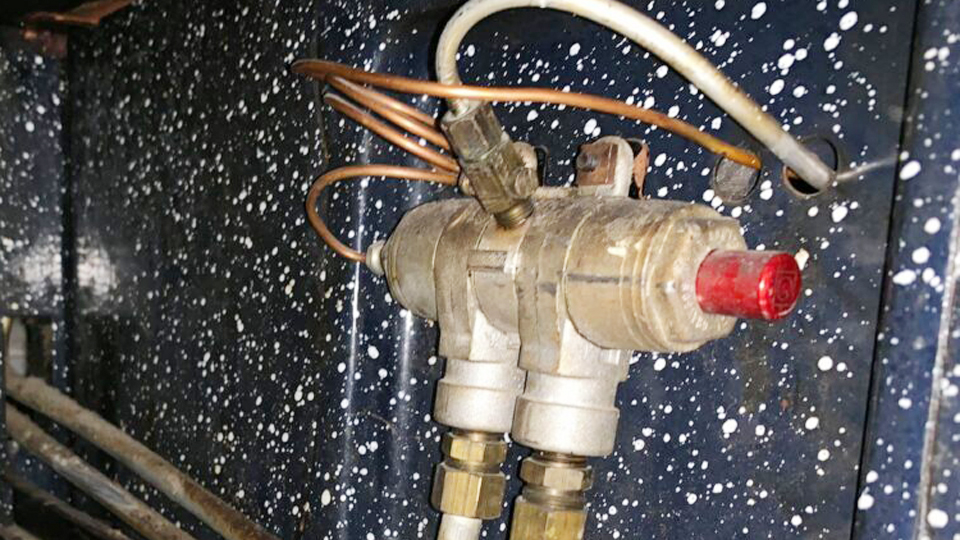
Image by desiredcreations
What is a Gas Oven Safety Valve and How Does It Work?
Understanding the Mechanics of Fuel Control
A gas oven safety valve is an electromechanical gatekeeper. Its sole purpose is to prevent unburned gas from filling your oven cavity or workshop.
The valve features an internal diaphragm held closed by a heavy spring. It requires a specific electrical current or thermal signal to pull that gate open.
In a standard shop setup, the safety valve works in tight coordination with an igniter (either a hot-surface igniter or a pilot thermocouple system). When the thermostat calls for heat, electrical current passes through the igniter first.
As the igniter heats up, its electrical resistance drops, allowing more current to flow down the line to the safety valve’s bimetallic strip or electromagnet. Once the circuit draws enough amperage, the valve snaps open, releasing gas directly to the burner tube where it safely ignites.
Why Mechanical Precision Matters in the Shop
We use this safety valve whenever we need controlled, indirect thermal management. Whether you are preheating thick structural steel plates to mitigate weld distortion or curing a custom powder-coated fabrication piece, the safety valve ensures the environment remains highly predictable.
If the valve opens too slowly, gas accumulates, resulting in a sudden, explosive ignition that can damage thin-gauge sheet metal assemblies or compromise oven seals. If it fails to open at all, your production line grinds to a halt, leaving you with cold steel and wasted shop hours.
How to Test Gas Oven Safety Valve Continuity and Amperage
Testing a safety valve requires a systematic approach using a standard digital multimeter. We need to verify two distinct parameters: electrical continuity (resistance) and live circuit amperage draw.
Step 1: Isolate the Power and Gas Supplies
Before touching any internal components, disconnect the oven from its electrical outlet and shut off the main gas supply line valve. Safety in the shop is identical whether you are swapping gas cylinders on a MIG rig or working on a heating appliance.
Step 2: Expose the Safety Valve Assembly
Remove the lower access panel or storage drawer of your oven. Locate the safety valve, which is typically mounted near the rear or bottom, close to where the main gas line feeds into the burner assembly. Look for a small metal block with two terminal brass prongs and gas lines bolted to either side.
Step 3: Conduct the Electrical Resistance (Continuity) Test
Pull the two slip-on wire connectors off the valve terminals using needle-nose pliers. Do not pull on the wires themselves, or you risk tearing the insulation.
Set your digital multimeter to the lowest Ohms ($\Omega$) setting. Touch one multimeter probe to each of the two isolated brass terminals on the valve.
Expected Dual-Coil Valve Readings:
- Terminals 1 to 2: ~215 Ohms
- Terminals 2 to 3: ~215 Ohms
- Terminals 1 to 3: ~430 Ohms
If your meter displays “OL” (Open Loop) or an infinite resistance reading, the internal coil or bimetal strip is broken. The valve is dead and must be replaced. A healthy single-coil valve generally reads between 40 and 45 Ohms of resistance.
Step 4: Perform the Live Amperage Draw Test
If the valve passes continuity but still fails to release gas during operation, you must test the live current running through the circuit. Reconnect the wires to the valve.
Clamp a digital clamp meter around one of the power leads leading directly to the safety valve. Turn the gas supply back on, plug the unit in, and set the thermostat to call for heat.
Watch the display as the igniter begins to glow. A standard hot-surface ignition system requires a continuous current draw between 3.2 and 3.6 Amperes to bias the safety valve open.
If your igniter glows but your clamp meter reads below 3.0 Amps, the igniter has degraded. It is drawing too little current to actuate the safety valve’s mechanical release, even if the valve itself is technically functional.
Structural Parallels: Amperage Control in Heating vs. Welding
The electrical relationship between an igniter and a gas safety valve operates on the exact same fundamental electrical principles as a Shielded Metal Arc Welding (SMAW/Stick) circuit. In both systems, managing electrical resistance and current flow dictates the physical outcome of your work.
| Operational Element | Gas Safety Valve Circuit | SMAW (Stick Welding) Process |
| Primary Controller | Thermostat / Bimetal Coil | Machine Amperage Dial / Foot Pedal |
| Current Range | 3.2 to 3.6 Amps (Typical AC) | 90 to 140 Amps (Typical DC+) |
| Material Link | Igniter Carbon/Silicon Carbide | Flux-Coated Consumable Electrode |
| System Reaction | Valve opens via thermal expansion | Base metal melts, creating a fluid puddle |
| Failure Mode | Low current causes unburned gas or no heat | Low amperage causes cold lapping and stuck rods |
When stick welding a structural joint with an E7018 low-hydrogen rod, setting your machine to the correct amperage range prevents a weak, cold weld puddle. If your amperage is too low for a 1/8-inch electrode, the arc will stutter, the rod will stick to your joint prep, and you will get zero root penetration.
Similarly, if the electrical circuit in your heating assembly cannot hit its target amperage window, the safety valve remains locked tight. You must match the electrical delivery to the physical component’s specifications to get clean, reliable performance.
Common Mistakes and Shop-Tested Diagnostic Tips
Relying Solely on Visual Diagnostics
The most common mistake made by both apprentice fabricators and seasoned DIYers is assuming an igniter is functional simply because it glows red. A silicon carbide igniter can glow brightly while still failing to draw enough amperage to trip the safety valve open.
Always trust your multimeter over your eyes. If the amperage draw does not meet the manufacturer’s specification stamped on the side of the valve body, the system will not open the gas gate.
Neglecting Joint Prep and Gas Thread Seals
Whenever you replace a safety valve or service a gas burner line, treat the plumbing connections with the same precision you use during weld joint preparation.
Clean the Threads: Ensure all iron or brass pipe threads are completely free of old pipe dope, grit, or carbon slag.
Use Correct Sealants: Apply gas-rated yellow PTFE tape or a high-grade non-hardening pipe joint compound to the male threads. Never use standard white plumbing tape, as natural gas and propane will degrade it over time, creating a serious fire hazard in your shop.
Leak Check Every Time: After assembly, brush a pressurized gas leak detection solution (or a thick mix of dish soap and water) over every joint. Look closely for growing bubbles while the gas line is fully pressurized.
Why This Knowledge Empowers the Modern Fabricator
Controlling thermal energy is the core foundation of high-level metal fabrication. Understanding how to diagnose, test, and maintain the gas valves and heating systems in your workshop protects your machinery and refines your processing capabilities.
Wrapping Up
By utilizing your digital multimeter to verify structural circuit metrics like resistance and amperage draw, you keep your shop infrastructure running smoothly.
This systematic troubleshooting approach eliminates unexpected downtime, prevents material distortion from uneven heat treatment, and keeps your projects moving efficiently off the welding table.
Pro-Level Shop Tip
When troubleshooting any gas-fired shop equipment that refuses to light, always test the igniter’s amperage draw before condemning the safety valve. Over 80% of gas-delivery failures are caused by an aging, high-resistance igniter rather than a mechanically seized safety valve.
Checking the current draw first saves you from purchasing expensive, non-returnable gas control parts you don’t actually need.
Frequently Asked Questions
Why does my gas oven smell like gas but won’t ignite?
This scenario typically indicates that your safety valve has opened or is leaking slightly, but the igniter is failing to reach the ignition temperature necessary to light the gas stream. Immediately shut off the main gas valve and check the igniter’s current draw. If the igniter is weak, it won’t light the burner, allowing raw fuel to pool in the chamber.
Can a safety valve be repaired, or must it be replaced?
Gas safety valves are factory-sealed units and cannot be safely rebuilt or repaired in a local shop environment. Internal springs, diaphragms, and calibrated bimetal strips must remain perfectly balanced to prevent gas leaks. If the internal coils fail a continuity test, discard the unit and install an OEM-certified replacement valve.
What happens if the safety valve resistance is too high?
If the internal resistance of the safety valve coil rises significantly above its factory specification (typically 40–45 Ohms for single-coil systems), it acts as an electrical bottleneck. The valve will not be able to draw enough current to create the magnetic field or thermal expansion needed to lift the internal diaphragm, leaving the burner completely dark.