I’ve seen too many good welders sidelined by eye issues that could have been prevented. Whether you’re running 7018 on a repair job in your garage or laying down TIG beads on thin aluminum in a busy fab shop, protecting your eyes isn’t optional—it’s the difference between finishing the day strong and dealing with painful arc flash that feels like sand in your eyes for 48 hours.
How to protect your eyes from welding starts with understanding the real threats: intense UV and IR radiation from the arc, flying spatter, and the visible brightness that can fatigue or damage your vision over time.
In my years welding everything from mild steel frames to stainless repairs, I’ve learned that proper eye protection isn’t just about compliance—it keeps you productive, accurate, and pain-free.
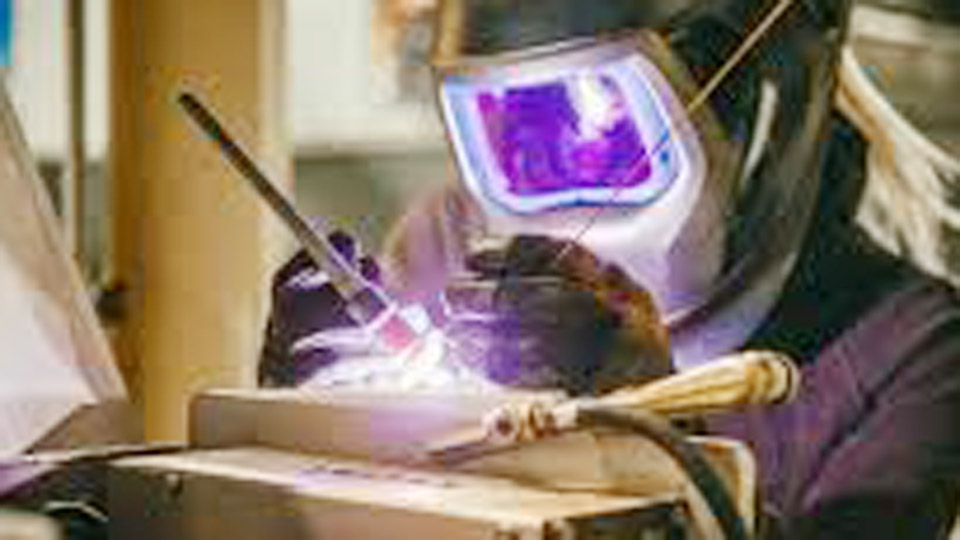
Image by austgen
Why Eye Protection Matters More Than Most Realize
The welding arc produces ultraviolet (UV), infrared (IR), and intense visible light. Even a quick glance without protection can cause photokeratitis—commonly called arc eye or welder’s flash. Symptoms hit hours later: redness, tearing, sensitivity to light, and that gritty feeling.
Long-term, repeated exposure contributes to cataracts and potential retinal damage. On the job, poor visibility from the wrong shade leads to bad welds, rework, and frustration. I remember early in my career flipping up my hood too soon on a stick weld and catching just enough flash to regret it all night. Proper gear prevents that entirely.
Understanding the Dangers: UV, IR, and Arc Flash
UV radiation from the arc burns the cornea’s surface, much like a sunburn. IR penetrates deeper and can contribute to lens clouding over years. The bright visible light strains your eyes and can cause temporary or permanent vision issues if you stare unprotected.
Flying slag and spatter add mechanical risk—hot metal can embed or scratch. In a shop, bystanders or helpers often get hit too. That’s why everyone in the area needs protection, not just the welder.
Common beginner mistake: Thinking sunglasses or clear safety glasses are enough. They block some debris but offer zero UV/IR filtering for arc processes.
Choosing the Right Welding Helmet: Passive vs. Auto-Darkening
Your helmet is your primary defense. Two main types exist:
Passive helmets use a fixed shade lens. You flip the hood down before striking the arc. They’re simple, reliable, and affordable—great for hobbyists or high-volume production where you rarely need to inspect mid-weld. Downsides include neck strain from constant flipping and limited visibility when not welding.
Auto-darkening helmets (ADF) have electronic lenses that switch from light (shade 3-4, like sunglasses) to dark in milliseconds when the arc strikes.
You can keep the hood down the entire time, improving productivity and reducing flash risk during tacks or setup. Look for fast switching (1/10,000 second or better), adjustable sensitivity and delay, and variable shade controls.
In my experience, once you go auto-darkening for daily work, you never go back. For occasional DIY, a good passive hood works fine if you’re disciplined.
Pro tip: Always buy helmets meeting ANSI Z87.1 standards. This ensures impact resistance and proper optical quality even if the electronics fail.
Welding Lens Shade Numbers: What They Mean and How to Choose
Shade numbers indicate darkness—higher numbers block more light. The right choice depends on process, amperage, and personal comfort. Start darker and lighten until you see the puddle clearly without strain.
Here’s a practical shade guide based on common US shop practices:
- SMAW (Stick): 1/16–5/32″ electrodes, 60-250A → Shade 8-12. Heavier rods and amps push toward 11-13.
- MIG/GMAW: 60-200A → Shade 9-12. Higher wire speeds and CO2 mixes get brighter.
- FCAW (Flux-Cored): Often brighter slag → Shade 10-13.
- TIG/GTAW: 50-150A → Shade 8-12. Low amps on thin material can use 8-10.
- Plasma Cutting: Shade 8-12 depending on amperage.
- Oxy-Acetylene: Shade 4-6.
Always reference manufacturer charts and OSHA/ANSI recommendations. For variable auto-darkening helmets, set the minimum shade and tweak up.
I prefer starting at shade 11 or 12 for most stick and MIG work around 100-200A. If the puddle disappears, drop one shade. Eye sensitivity varies—blue eyes often need darker shades.
Safety Glasses and Secondary Protection: Don’t Skip This
A helmet alone isn’t enough. Wear ANSI Z87.1 safety glasses with side shields underneath at all times. They protect against side-angle UV, spatter when the hood is up, and general shop debris.
For grinders or cutting, switch to dedicated impact-rated glasses or goggles. In busy shops, I insist helpers wear shade 5 glasses or darker when near active arcs.
Material note: Polycarbonate lenses offer good impact resistance but check UV ratings. Some welders prefer glass for better clarity, though they’re heavier.
Step-by-Step: Setting Up Proper Eye Protection for a Welding Session
- Inspect your gear — Check helmet lens for cracks or scratches. Replace if compromised. Test ADF batteries and sensors.
- Select shade — Match to process and amps. Test on a scrap piece.
- Layer protection — Put on safety glasses first, then helmet.
- Position correctly — Maintain proper distance (arc length) to reduce spatter toward your face.
- Check surroundings — Use welding curtains or screens to protect others.
- During weld — Keep hood down. For auto-dark, adjust sensitivity so it doesn’t flicker on tack welds.
- After — Clean lenses immediately. Let eyes rest if you feel strain.
This routine takes 30 seconds but saves hours of discomfort.
Process-Specific Eye Protection Tips
Stick Welding (SMAW): Bright and spattery. Use shade 10-12. Keep a spare lens handy—slag bounces everywhere. For overhead, extra care with side protection.
MIG Welding: Cleaner but bright. Auto-darkening shines here for quick tacks. Shade 10-11 for most hobby 110V machines; go darker on 220V industrial setups.
TIG Welding: Precise work needs excellent visibility. Lower shades possible, but aluminum TIG with high frequency can be bright. Many pros use variable ADF set around 9-11.
Cutting and Grinding: Dedicated cutting goggles or lower shade helmets. Never use welding shade for oxy-fuel without proper filters.
Common Mistakes Even Experienced Welders Make
- Lifting the hood too soon to check the bead.
- Using an old, scratched passive lens that reduces visibility and protection.
- Forgetting secondary glasses, leading to side flash.
- Sharing helmets without adjusting sensitivity or shade.
- Ignoring early signs of eye strain—pushing through leads to bigger issues.
I’ve caught myself doing #1 after a long day. Set a mental rule: arc off, wait two seconds, then lift.
Maintaining and Replacing Your Eye Protection
Clean lenses with lens cleaner, not shop rags. Store helmets away from dust and heat. Replace ADF if switching slows or sensors fail. Passive lenses should be swapped when scratched or discolored.
Batteries in auto helmets last longer than you think, but carry spares. Test your setup monthly.
Comparison: Passive vs Auto-Darkening Helmets
Passive Pros: Cheap, no batteries, durable, simple.
Passive Cons: Neck strain, flash risk on tacks, slower workflow.
Auto-Darkening Pros: Better productivity, less fatigue, reduced flash incidents, variable shade.
Auto-Darkening Cons: Higher cost, electronics can fail (though passive backup exists), heavier.
For most USA-based hobbyists and pros today, auto-darkening offers the best return on investment.
Beyond the Helmet: Shop-Wide Eye Safety Practices
Install welding curtains that block UV. Post signs warning of arc flash. Train helpers. Keep spare glasses available. In fabrication shops, good lighting helps when not welding but avoid glare.
For outdoor or field work, wind can blow spatter—extra vigilance needed.
What to Do If You Get Arc Eye
Flush with clean water or saline. Use artificial tears. Dark room, cold compresses, and over-the-counter pain relief help. Avoid rubbing. See a doctor if symptoms persist beyond a day. Prevention is far better.
Key Takeaways for Safer Welding
Protecting your eyes means combining the right helmet shade for your process and amperage, consistent secondary glasses, disciplined habits, and quality gear that meets ANSI standards. Understand your machine settings, joint prep, and material—clear visibility leads to better welds.
Whether you’re a student learning SMAW, a hobbyist building trailers, or a pro on structural jobs, these practices become second nature. Your eyes are irreplaceable. Treat them that way every single time you strike an arc.
Invest in a quality auto-darkening helmet early, but master the fundamentals with a passive one first. You’ll appreciate the difference and develop respect for the process that keeps you welding safely for decades.
FAQ
What shade do I need for 7018 stick welding at 120 amps?
Start with shade 10-11. Test on scrap—if too bright, go to 12. Most shops run 10-12 comfortably for this range.
Can I use my auto-darkening helmet for grinding?
Usually yes if it has a grind mode that keeps the lens light. Otherwise, switch to dedicated safety glasses or a grinding shield to avoid damaging the ADF sensors.
How long do auto-darkening helmet batteries last?
Solar-assisted models last years with occasional use. Check your manual—many alert you when low. Carry spares for big jobs.
Do safety glasses under the helmet really make a difference?
Absolutely. They catch side UV, stray spatter, and protect when the hood is up. Never weld without them.
Is welder’s flash permanent?
Usually not—it heals in 1-2 days with care. Repeated exposure causes cumulative damage. One bad flash is a strong reminder to double-check your setup.