
I’ve wired up more Lincoln 225 tombstone welders than I can count in shops, garages, and job sites across the country. These machines are workhorses—simple, tough, and capable of laying down solid beads on everything from light sheet to heavy plate repairs.
But one question comes up constantly from DIY fabricators, students, and weekend warriors: what size breaker do you actually need for a Lincoln 225 arc welder, and why?
The short answer is a 50-amp double-pole breaker on a 230-240V circuit, paired with #6 AWG copper wire. That setup gives you reliable full output without nuisance trips while staying safe and code-compliant.
But the real story goes deeper into how these transformers pull power, why duty cycle matters, and how to avoid the common headaches that burn up rods, warp metal, or leave you chasing arcs in the dark.
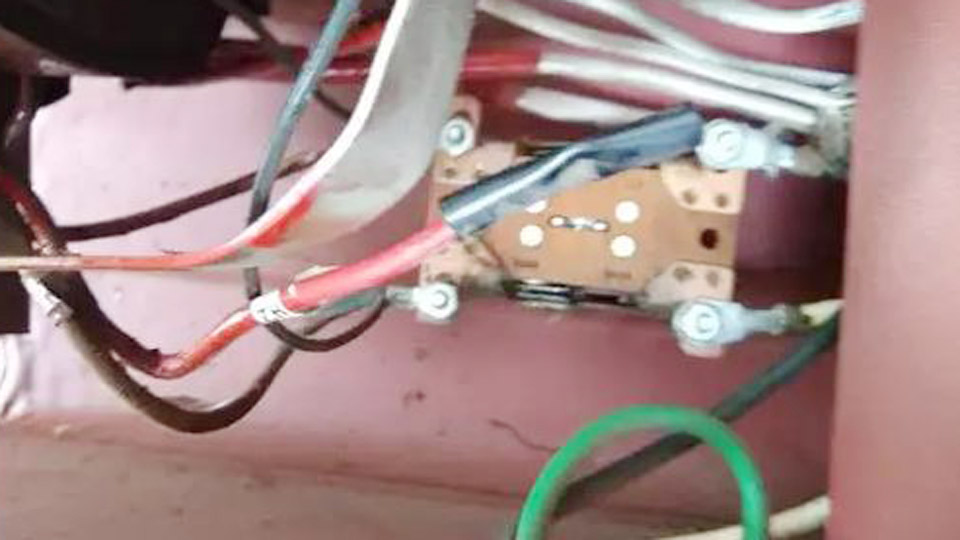
Image by weldingweb
Understanding Your Lincoln 225: Output vs Input Power
The “225” in the name refers to maximum output amperage in AC mode—plenty for 3/16″ electrodes on mild steel or 5/32″ on tougher jobs. That output is what melts the rod and fuses the joint. What your shop panel sees is the input current, which Lincoln rates around 50 amps at rated output on 230V.
Think of it like this: the transformer steps down voltage and steps up current. You feed it moderate amps at high voltage and it delivers high welding amps at low voltage.
At full tilt (225A output, 25V), the machine draws close to its rated 50A input. Strike an arc and you’ll see a brief surge, which is exactly why the 50A breaker exists—it handles the inrush without tripping immediately.
I’ve run these machines on everything from brand-new panels to old farm disconnects. On a proper 50A circuit, you get consistent penetration. Drop to a 30A dryer outlet and you’re limited to maybe 125-150A output before voltage sag kills your arc or the breaker kicks.
Why a 50A Breaker Specifically? Real-World Power Demands
Welders aren’t continuous loads like heaters. Lincoln rates these at 20% duty cycle for max output—one minute welding, four minutes cooling. That low duty cycle is why NEC Article 630 lets you size conductors and overcurrent protection based on effective current, not raw nameplate.
In practice:
- Full 225A AC output on 3/16″ 7018 or 6011 rods pushes input near 50A.
- Everyday settings (90-150A for 1/8″ rods) draw 25-35A input—comfortable on the same circuit.
- DC mode (on AC/DC models) pulls less, around 36A max for 125A output.
A smaller breaker (30-40A) works for light hobby use but limits you when you need heavy beads or longer runs. A larger one (60A) is overkill and may not protect the machine’s internal wiring as well during a fault. Fifty amps hits the sweet spot Lincoln engineers designed for.
Pro tip from the shop floor: If your breaker trips at full power, check voltage at the receptacle under load. Long runs or undersized wire cause drop that makes the welder pull more current to compensate—exactly what trips breakers.
Recommended Wiring Setup for a Lincoln 225
Here’s the practical configuration I recommend for most home and small shop installs:
- Breaker: 50A double-pole, 240V
- Wire: #6 AWG copper (THHN in conduit or NM-B Romex for shorter runs)
- Receptacle: NEMA 6-50R (the standard welder plug)
- Cord on machine: Often comes with a 30A-style plug—upgrade to a proper 6-50P or make an adapter pigtail for flexibility
For runs over 50-75 feet, step up to #4 AWG to minimize voltage drop. Aluminum wire? Possible with larger gauge, but I stick with copper for welders—less hassle with connections and expansion.
Always ground it properly. These are 240V machines with no neutral needed for the transformer, but the ground is non-negotiable for safety.
Step-by-Step: Installing a Dedicated Circuit for Your Welder
- Check your panel capacity — Make sure you have space for a double-pole 50A breaker and enough bus bar amps remaining.
- Run the wire — Use appropriate conduit or cable. Keep it short and straight where possible.
- Install the receptacle — Mount the 6-50R in a weatherproof box if outdoors or in a dusty shop.
- Test voltage — Before firing up, verify 230-240V at the outlet with a multimeter.
- Initial test weld — Start at lower settings. Listen for the hum, watch the arc, and feel for consistent heat.
I’ve seen guys skip steps and end up with tripped breakers, dim lights across the shop, or worse—overheated wires. Take your time or call a licensed electrician. It’s cheaper than a fire.
Matching Amperage, Rods, and Material Thickness
Understanding the breaker ties directly into how you set the machine. Here’s what I use daily:
Common Electrode Recommendations:
- 1/8″ 6011 or 6013: 90-130A — Great all-around for repairs
- 5/32″ rods: 150-200A — For heavier plate
- 3/16″: Push toward 200-225A on AC for flat positions
Material thickness rule of thumb: 1 amp per 0.001″ of steel. A 1/4″ plate might need 140-180A depending on joint type and position.
Joint Prep Matters More Than You Think:
Clean metal to bright shine. Rust or mill scale steals amperage and causes porosity. Bevel thick plates for better penetration. Tack welds help control distortion before you lay a full bead.
I always tell trainees: dial the machine to where the rod burns smoothly without sticking or popping excessively. Too low and you get cold laps and weak joints. Too high and you burn through or undercut.
AC vs DC: How It Affects Power Draw and Performance
On AC/DC 225/125 models, AC gives you the full 225A and is more forgiving for beginners or dirty metal. DC provides better arc stability and penetration at lower outputs (up to 125A), which is perfect for out-of-position work or thinner materials.
DC draws less input current for the same output, so it’s gentler on your circuit. But when you crank AC to max for heavy fabrication, that’s when the 50A breaker earns its keep.
Common Mistakes That Cause Breaker Trips and Bad Welds
- Running on undersized circuits: 30A works until it doesn’t—then you get weak arcs and frustration.
- Long extension cords: Even 10-gauge ones drop voltage fast. Avoid them for full output.
- Poor maintenance: Dirty fan, clogged vents—machine overheats and draws more current.
- Wrong rod storage: Damp 7018 rods cause sticking and erratic amps.
- Ignoring duty cycle: Running wide open continuously cooks the welder and trips protection.
I’ve fixed more “broken” Lincolns that were just starved for proper power.
Safety First: Protecting Yourself and Your Shop
A properly sized breaker protects the machine, your wiring, and your home. Always wear proper PPE—helmet, gloves, jacket. Work in ventilated areas. Keep a fire extinguisher handy because sparks fly.
For generator use, match the welder’s requirements carefully. Many portable units struggle with the surge—stick to inverter-style generators rated well above 50A continuous if you must run mobile.
Comparison: Lincoln 225 vs Other Common Shop Machines
| Machine Type | Max Output | Recommended Breaker | Typical Use | Duty Cycle at Max |
|---|---|---|---|---|
| Lincoln AC-225 | 225A AC | 50A | General repairs, hobby | 20% |
| Lincoln AC/DC 225/125 | 225A AC / 125A DC | 50A | Versatile fab & repair | 20% |
| Smaller 140A inverter | 140A | 20-30A | Light DIY | Higher |
| 250A+ Industrial | 250A+ | 60A+ | Production | Varies |
The 225 sits in that perfect middle ground—powerful enough for real work, simple enough for home shops.
Advanced Tips for Better Results on Your 225
Experiment with polarity on DC (electrode positive usually for 7018). Use the arc force or hot start features if your model has them. For aluminum, you’ll need a TIG setup, but this machine excels on steel and stainless with proper rods.
When doing repairs on farm equipment or auto frames, lower settings with smaller rods prevent burn-through. Build up gradually.
Keep spare electrodes in a rod oven or sealed container. Nothing kills productivity like stopping to hunt dry rods.
Reflection: Powering Your Welding Success
Getting the electrical side right for your Lincoln 225 transforms how the machine performs. A dedicated 50A circuit delivers consistent power that matches the welder’s design, letting you focus on technique instead of fighting the arc. You’ll achieve better penetration, fewer defects, less distortion, and safer operation overall.
You now understand not just the breaker size but why it matters—how input current, duty cycle, voltage drop, and real welding demands all interact. That knowledge separates hobbyists who fight their equipment from fabricators who make clean, strong welds day after day.
Always strike your arc a little hot and then dial back if needed. A strong start prevents sticking and gives you better control throughout the bead. Clean your work, set your machine confidently, and let the Lincoln do what it was built for.
FAQ: Lincoln 225 Arc Welder Power Questions
Can I run a Lincoln 225 on a 30A dryer outlet?
Yes for lighter work up to about 125-150A output. You’ll need an adapter and should avoid max settings or long runs. Upgrade to 50A for full capability.
What wire size for a 50A welder circuit?
6 AWG copper is standard and code-compliant for most shop runs. Use #4 AWG for very long distances.
Will a 60A breaker hurt the welder?
It’s generally safe but provides less protection against faults. Stick with 50A unless you have specific high-draw needs.
How much power does it really use at typical settings?
At 100-130A (common for 1/8″ rods), expect 25-35A input—well within a good 50A circuit.
Do I need a neutral wire for the 6-50 outlet?
No. Two hots and a ground are sufficient for these transformer welders.


