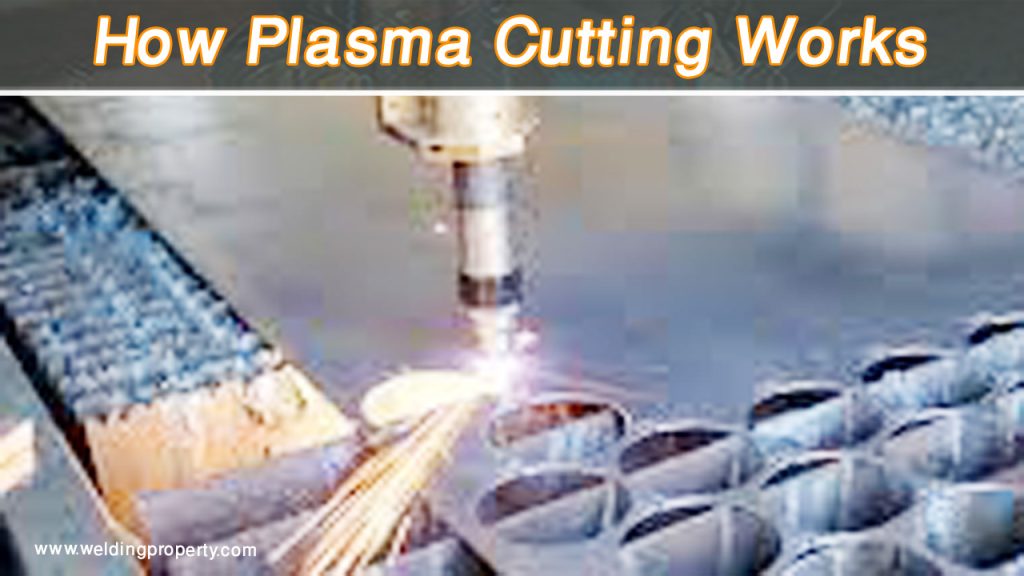
A standard arc welder is great for heavy fabrication, but when you need clean, precise cuts through steel, it quickly shows its limits. Rough edges, extra grinding, and uneven lines can turn a simple job into a time-consuming process.
That’s where the idea of how to make a plasma cutter from an arc welder starts catching attention for DIY builders and workshop tinkerers.
In real workshop environments, the difference between welding and cutting isn’t just about power—it’s about control, airflow, and how the arc is focused.
Trying to modify equipment to shift from welding to cutting isn’t as simple as swapping leads; it involves serious electrical behavior, heat management, and safety considerations that can’t be ignored.
Understanding what’s realistically possible, what risks are involved, and where dedicated equipment becomes necessary can save both tools and safety.
I’ll break down the concept clearly, separate fact from misconception, and explain what you should actually know before considering any kind of plasma-cutting setup.
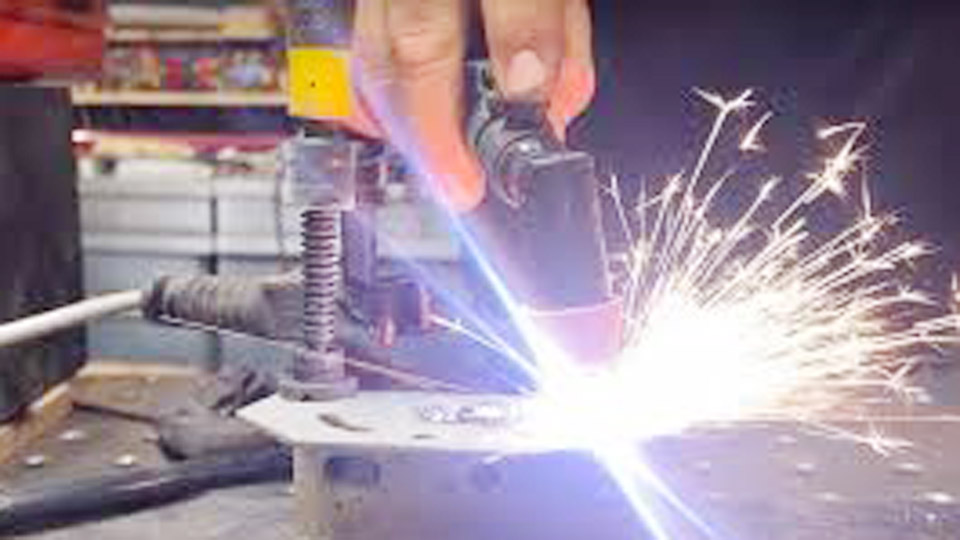
Image by hackaday
Why Consider Converting an Arc Welder into a Plasma Cutter?
In a busy fab shop or home garage, cutting metal eats time. Angle grinders create noise, dust, and imprecise edges. Oxy-acetylene adds heat distortion and requires gas bottles. A plasma cutter gives fast, narrow-kerf cuts with minimal cleanup.
Many of us already have a heavy transformer stick welder sitting around. These machines provide bulk power that, with rectification, current limiting, high-voltage arc starting, and compressed air, can sustain a plasma arc.
The result isn’t as refined as a Hypertherm or Miller, but it cuts 1/4-inch mild steel reliably at 10-18 inches per minute depending on setup.
Key advantages in real use:
- Low additional cost if you scavenge parts.
- Retains original stick welding capability by disconnecting the plasma torch leads.
- Good for occasional or light production work.
Limitations you’ll live with:
- Lower duty cycle than dedicated machines.
- More setup and maintenance.
- Higher risk if you cut corners on safety or components.
This project suits experienced welders and DIYers comfortable with high-voltage DC, compressed air systems, and basic electronics. If you’re new to welding, buy a used plasma cutter instead.
Understanding the Core Differences Between Arc Welding and Plasma Cutting
Stick welding (SMAW) uses constant-current output, typically 20-35 volts under load with 50-80V open-circuit voltage (OCV). You strike an arc that melts base metal and electrode.
Plasma cutting ionizes compressed air into a 40,000°F+ conductive jet using a constricted nozzle. It needs higher OCV (200-400VDC after modification) to maintain the plasma column and 90-150V across the arc during cutting. Current stays lower—often 30-60A for DIY setups—but voltage does the heavy lifting for ionization and cutting.
Your transformer welder’s secondary AC gets rectified to DC, smoothed with capacitors, limited by resistors, and paired with a high-frequency (HF) starter for pilot arc. Compressed air blows the plasma out the nozzle, expelling molten metal.
Without these additions, the welder’s low voltage can’t sustain a stable plasma jet. Direct connection usually results in unstable arcs, blown consumables, or nothing happening.
Choosing the Right Arc Welder for Conversion
Not every machine works well. Stick to traditional transformer-based units. Inverter welders often fail due to sensitive electronics, IGBTs, and protection circuits that don’t handle the modified load.
Ideal candidates:
- Lincoln AC-225, Miller Thunderbolt, or similar 180-300A buzz boxes.
- Engine-driven welders with strong output.
- Older Chinese or generic transformer machines rated 200A+.
Look for accessible secondary terminals, good cooling, and true constant-current characteristics. Minimum 150-180A rated output gives headroom for 40-60A plasma duty. Parallel two machines for heavier cuts on 1/2-inch+ plate.
Test your welder first. It should run consistently at 40-60% output without overheating during extended use.
Essential Components and Where to Source Them
You need more than just the welder. Focus on high-voltage and high-current rated parts.
Plasma torch: Use a 40-60A rated torch (PT-31 style or similar Hypertherm-compatible). Keep leads under 15-20 feet to reduce voltage drop. Stock electrodes, nozzles (0.035-0.045″ orifice), and swirl rings.
Rectification and smoothing:
- 200-300A bridge rectifier with heatsinks.
- Capacitor bank: 2000-5000µF at 400-450V (motor run caps or paralleled electrolytics).
- Current-limiting resistor: 5-10Ω, 500-1000W (water heater elements, nichrome, or power resistors). This prevents transformer saturation and controls amperage.
High-voltage pilot arc starter:
- Flyback transformer from old CRT TV/monitor or ignition coil.
- Driver circuit (555 timer, MOSFET, or scavenged board) for 20-50kV at high frequency.
- Coupling capacitor and diodes for isolation.
Air system:
- Shop compressor delivering 90-120 PSI, regulated to 25-40 PSI at torch.
- Moisture filter, coalescing filter, and solenoid valve triggered by torch switch.
- Dry air is critical—water kills consumables fast.
Additional:
- Heavy gauge wiring (4-6 AWG for torch leads).
- Contactors, relays, pressure switches.
- Enclosure for safety.
Total added cost can stay under $150-300 if you scavenge creatively from scrap, old appliances, and online marketplaces.
Step-by-Step Build Process
Safety first: Work on a non-conductive surface. Discharge capacitors before touching anything. Use proper PPE, and consider consulting an electrician for high-voltage portions. This involves lethal voltages—treat it seriously.
Prepare the welder: Access secondary AC leads. Ensure good ventilation and add fans if needed.
Install rectification: Connect secondary to bridge rectifier AC inputs. Positive DC output routes through limiting resistor to capacitor bank positive. Negative to workpiece clamp. Add bleed resistors across caps for safety.
Add energy storage: Parallel capacitors for voltage stability and pierce surge. Expect 280-340VDC OCV from a typical 40VAC secondary after rectification.
Build HF starter: Mount flyback driver. Power it separately or from welder auxiliary. Couple HV output to electrode lead via capacitor. Use current sensing (reed switch or CT) to shut off HF once main arc establishes.
Integrate controls: Torch trigger activates air solenoid, contactor (if equipped), and HF starter. Add pressure switch for safe operation.
Torch connections: Electrode positive (DC+), workpiece negative. Route air coaxially or separately.
Enclose everything: Mount components in a grounded metal or sturdy non-conductive case. Shield high-voltage leads.
Initial testing: Verify polarity, continuity, and no shorts with power off. Start with low settings, dry air, and scrap material.
Double and triple-check wiring against a schematic. Mistakes here destroy parts or worse.
Optimal Settings and Cutting Techniques
Match parameters to material for best results.
Typical parameters for mild steel:
- 1/8 inch: 30-40A, 25-30 PSI, 15-25 IPM, 0.035″ nozzle.
- 1/4 inch: 40-55A, 30-35 PSI, 10-18 IPM, 0.040″ nozzle.
- 3/8 inch: 55-65A, 35-40 PSI, 8-12 IPM, 0.045″ nozzle.
Technique tips from the shop floor:
- Maintain 1/8 to 3/16 inch standoff (use drag shield if available).
- Pierce with slightly higher amps and standoff, then lower for cutting.
- Travel speed: Sparks should exit bottom of cut evenly. Too slow = wide kerf and dross; too fast = incomplete cut.
- For aluminum and stainless, slightly higher air pressure and adjusted speed due to different thermal properties.
- Keep air bone-dry. Add a refrigerated dryer or good filters for production use.
Joint prep matters less than with welding, but clean surfaces reduce arc wander. Bevel edges will appear at 3-6 degrees naturally.
Material Compatibility and Real-World Performance
This setup excels on conductive metals: mild steel, stainless, aluminum, copper, etc. Thickness limit depends on your power—most DIY conversions handle up to 3/8-1/2 inch reliably before duty cycle drops.
Expect 50-70% duty cycle at 50A. The welder and resistor will heat up—monitor temperatures and pause as needed. Cut quality rivals entry-level commercial units on flat stock with clean edges requiring minimal grinding.
On thinner gauge, watch for warping from heat. Use lower amps and faster speeds. For production, dedicated machines win on consistency and consumable life.
Common Mistakes and Troubleshooting
Beginner pitfalls:
- Skipping current-limiting resistor → transformer overload or blown components.
- Wet or dirty air → instant consumable failure.
- Poor grounding or long leads → unstable arc and voltage drop.
- Ignoring safety: exposed high voltage, inadequate PPE, no enclosure.
Troubleshooting:
- No pilot arc: Check HF circuit, coupling cap, air gap, and dryness.
- Unstable cut: Increase capacitance, adjust resistor, verify pressure.
- Overheating: Improve cooling, reduce duty cycle, check connections.
- Weak cuts: Raise amperage (within limits), clean nozzle, sharpen electrode.
Always start conservative. Log what works for your specific machine.
Safety Considerations Every Welder Must Know
Plasma cutting produces intense UV light, noise, fumes, and ozone. Wear proper shade 5-8 helmet, flame-resistant clothing covering all skin, gloves, and respirator when needed. Work in ventilated areas.
High-voltage DC can kill. Capacitors hold charge—discharge them. Compressed air adds its hazards. Ground everything properly. Have fire suppression ready—sparks and molten metal fly.
If you’re unsure about any electrical part, stop and get qualified help. This isn’t the project to learn basic electricity on.
Pros and Cons Comparison
Pros:
- Cost-effective using existing equipment.
- Versatile dual-use (weld or cut).
- Satisfying hands-on build.
- Solid performance for hobbyist and light professional use.
Cons:
- Time-intensive build and tuning.
- Lower duty cycle and consumable life vs. dedicated cutter.
- Safety and complexity demand experience.
- Potential for frustrating troubleshooting.
For many shops, the pros outweigh cons when budget matters.
Advanced Tips for Better Performance
Once basic operation works, add variable control like an SCR on the primary for finer amperage adjustment without resistor swaps. Experiment with different nozzle sizes and air pressures. Some builders add CNC capability later for precision parts.
Keep detailed notes on your settings per material thickness. Scavenge and test parts methodically.
Final Reflection
Building a plasma cutter from an arc welder gives you deeper insight into both processes. You understand power characteristics, arc physics, and system integration in ways buying a black-box unit never teaches. Many fabricators I’ve worked with use theirs for years on repairs, custom fab, and demolition work with great results.
You’re now equipped with the knowledge to evaluate your welder, source parts intelligently, build safely, and dial in cuts that save hours in the shop. The key is patience during assembly, rigorous safety, and iterative testing on scrap.
Always prioritize dry air and a solid current-limiting resistor. Everything else can be tuned, but those two determine reliability and consumable life more than fancy electronics. Treat the system with respect, and it will cut reliably for a long time. Stay safe out there.