
If you’ve ever wondered how plasma cutting works or how this technology can slice through metal with such ease, you’re in the right place. Plasma cutting is a fascinating and efficient way to cut through thick, conductive metals, and it’s used across various industries.
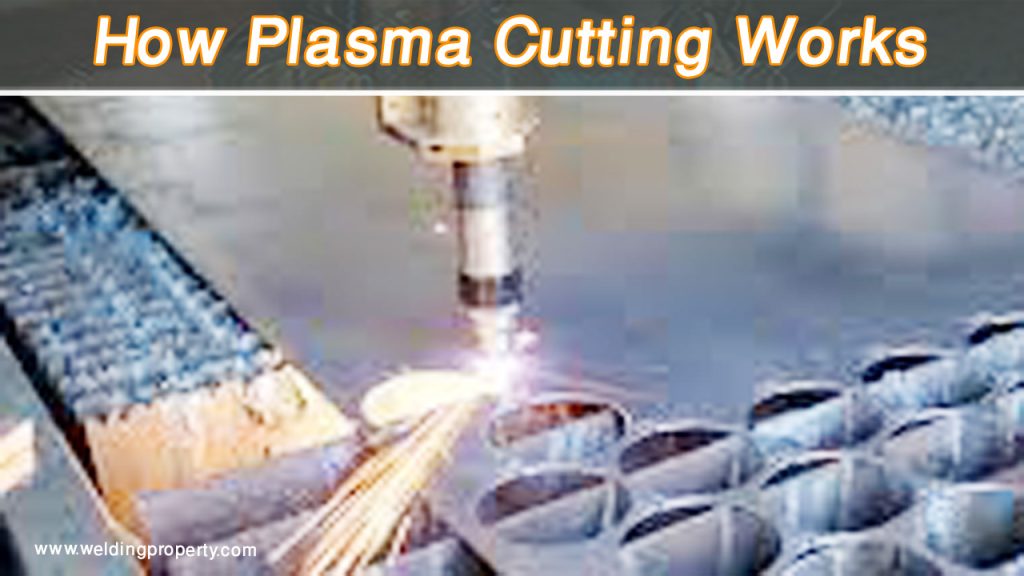
Image by westermans
From industrial applications to art projects, plasma cutting offers versatility, speed, and precision. Let’s dive into how it all works.
What Is Plasma Cutting?
Plasma cutting is a process that uses superheated, electrically charged gas (plasma) to cut through metal. By creating an arc between the material and the torch, plasma cutting machines reach extremely high temperatures, allowing them to melt through metal quickly.
This process is ideal for materials like steel, stainless steel, aluminum, brass, and copper. Plasma cutting is popular because it offers clean cuts with minimal waste, making it efficient and cost-effective.
How Plasma Cutting Actually Works
So, how does this machine turn gas into a tool that can slice through thick metal? Here’s the basic rundown:
Electrical Arc Initiation: When you turn on a plasma cutter, an electrical arc is created between the electrode in the torch and the workpiece.
Plasma Creation: Compressed gas—often air, nitrogen, or oxygen—is funneled through a narrow nozzle. When this gas hits the electrical arc, it heats up to the point of becoming plasma.
Cutting Process: This plasma stream reaches temperatures over 20,000°C, hot enough to melt metal. As it blasts through the metal, it creates a clean cut by blowing the molten metal away from the workpiece.
With the right machine, plasma cutting can be used to achieve extremely precise cuts, even in thick metal sheets.
Components of a Plasma Cutter
Understanding the parts of a plasma cutter will help you see how each one contributes to the process. Here’s what goes into a typical plasma cutter:
- Power Supply: Provides the energy needed to create the arc. It usually ranges from 30 to 400 amps, depending on the machine.
- Torch: The torch holds the electrode and focuses the plasma stream onto the metal.
- Nozzle: The nozzle is a narrow opening that funnels the gas flow into a concentrated, high-velocity stream.
- Ground Clamp: The clamp completes the electrical circuit, enabling the arc to transfer to the metal.
Each part plays a crucial role in making sure the plasma cutter functions safely and efficiently.
Types of Plasma Cutting Systems
Not all plasma cutters are the same, and each type has unique benefits. Let’s take a look at the main types:
Conventional Plasma Cutting: This is the standard type, used for general-purpose cutting and available in many manual or automated systems. It’s straightforward, with fewer customization options but is quite effective.
High-Definition Plasma Cutting: Known for its precision, this type uses a smaller nozzle and optimized gas flow to create sharper, cleaner cuts. High-definition cutters are ideal for detailed work and complex shapes.
| Plasma Cutter Type | Main Use | Features |
|---|---|---|
| Conventional Plasma Cutting | General-purpose cutting | Basic, effective, affordable |
| High-Definition Plasma Cutting | Precision cutting | Sharper cuts, optimized for detail |
Benefits of Plasma Cutting
There’s a reason plasma cutting is a popular choice for metal fabrication. Here are some of the main benefits:
Speed: Plasma cutting is much faster than traditional cutting methods, especially for thick metals. This means you can complete jobs quicker, which is a huge plus in industries where time is money.
Precision: Unlike other forms of cutting, plasma cutters allow for extremely precise cuts, even in thick metals. With high-definition systems, you can achieve near-laser quality.
Versatility: Plasma cutters can cut through a wide range of conductive metals, making them useful in various fields, from construction to auto repair.
Cost-Efficiency: Plasma cutting produces minimal waste and requires fewer consumables than some other cutting methods. This makes it a cost-effective choice for businesses.
Plasma Cutting vs Other Cutting Methods
Plasma cutting is just one option out there, so how does it compare to other methods like laser and oxy-fuel cutting? Here’s a quick look:
| Cutting Method | Best For | Pros | Cons |
|---|---|---|---|
| Plasma Cutting | Thick metal, fast cuts | Fast, precise, cost-effective | Limited to conductive metals |
| Laser Cutting | Thin to medium metal | Extreme precision, smooth edges | Slower on thick metals, higher cost |
| Oxy-Fuel Cutting | Thick metal, portability | Great for very thick metal, portable | Slower, rough edges, more consumables |
Each method has its pros and cons, but plasma cutting tends to be a balanced choice for those working with thick, conductive metals who need efficiency and accuracy.
How to Get the Best Plasma Cutting Results
Achieving top-notch results with a plasma cutter comes down to a few key tips:
Choose the Right Amperage: Higher amperage helps you cut through thicker metals but can also burn edges if not adjusted correctly. Check the manual or experiment with different settings to find the sweet spot.
Control Cutting Speed: Moving the torch too fast can result in jagged edges, while going too slow may cause excess melting. Aim for a steady hand and moderate pace.
Use Clean, Dry Air: Air quality affects plasma cutting results. Using clean, dry air helps prevent splattering and keeps cuts smooth.
Frequently Asked Questions
Is plasma cutting safe?
Yes, but always wear proper protective gear. Plasma cutting involves high temperatures and creates bright sparks, so safety goggles, gloves, and ear protection are essential.
Can I use a plasma cutter on any metal?
Plasma cutting works best on conductive metals, like steel, stainless steel, and aluminum. It won’t work on non-metal materials.
How thick can a plasma cutter cut?
This depends on the machine’s power. While smaller models cut up to 1/2 inch, industrial ones can go through up to 2 inches of metal.
Final Thoughts
Plasma cutting is a powerful tool in the world of metalwork, capable of cutting thick, conductive metals quickly and precisely. With the right setup and some practice, you can achieve clean, efficient cuts that make any project easier.


