I still remember the moment my shop landed its first aerospace job that specified laser welds on thin titanium. Until then I was a plasma die‑hard; the bright jet of ionized gas felt like an extension of my own hand. But the customer wanted hair‑line seams with almost no heat‑affected zone.

Image by stylecnc, echave
My foreman grinned and rolled in a compact fiber‑laser cell the size of a fridge. I spent the next six months bouncing between the glowing plasma torch and that precision laser head, learning where each process shines—and where it absolutely doesn’t.
If you’re wondering which of these advanced techniques fits your project or production line, grab a cup of coffee and pull up a chair.
I’ll walk you through everything you need to know in plain English, based on real‑world weld coupons, rushed deadlines, and the occasional burned fingertip.
Core Working Principles
How Laser Welding Joins Metal
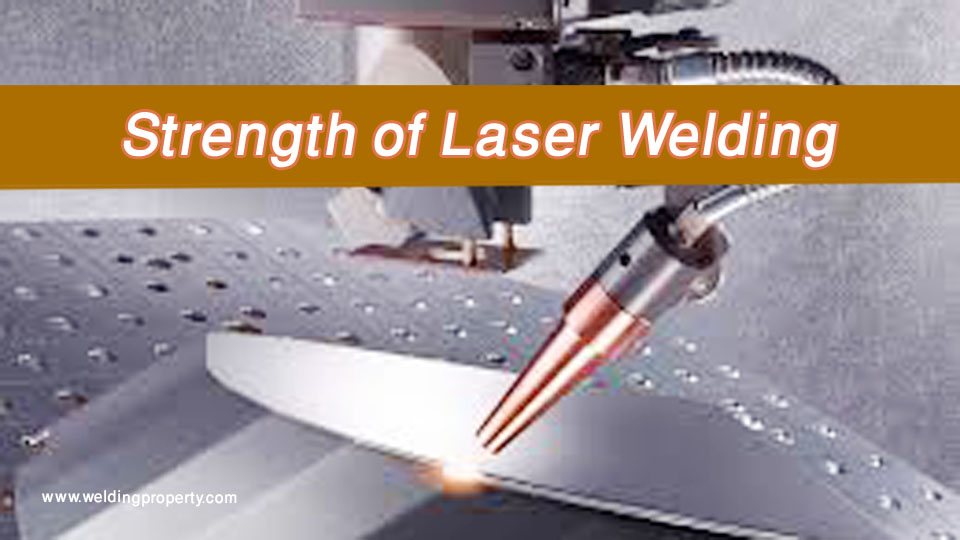
A high‑energy beam of coherent light—most commonly from a fiber or CO₂ laser—is focused through optics onto a spot as small as 0.1 mm. The energy density is intense enough to melt and sometimes vaporize the base metal, forming a “keyhole.”
Surface tension collapses that keyhole into a narrow, almost invisible bead. Because the heat is so localized, distortion stays low and post‑weld cleanup is minimal.
How Plasma Welding Joins Metal
Plasma welding looks like TIG’s muscular cousin. An electric arc strikes between a tungsten electrode and the workpiece, but that arc is squeezed through a fine‑bore copper nozzle with a swirl of shielding gas. The constricted column becomes a super‑hot plasma jet—upward of 25,000 °F.
Depending on current and orifice, you can run plasma in three modes: micro‑plasma (tiny parts), melt‑in mode (like traditional TIG), or keyhole mode (full‑penetration seams in one pass).
Equipment Rundown
| Feature | Laser Welding Cell | Plasma Welding System |
|---|---|---|
| Power Source | Fiber, disk, or CO₂ laser (500 W – 20 kW typical) | Constant‑current welding power supply (5 A – 300 A) |
| Beam Delivery | Fiber optic cable or mirrors to focusing lens | Copper nozzle with 0.6 – 3 mm orifice |
| Shield Gas | Argon, helium, or nitrogen blanket; sometimes cover gas curtain | Argon or argon‑hydrogen mix, plus secondary shielding for keyhole mode |
| Cooling | Closed‑loop water chiller for laser head | Water‑cooled torch and cables |
| Work Envelope | Robotic arm, linear stages, or galvo scanners for high speed | Manual hand torch or mechanized carriage |
| Initial Cost (USA) | $150 k – $600 k turnkey | $20 k – $70 k turnkey |
Heat Input and Distortion
Laser’s pinpoint beam deposits as little as one‑tenth the heat of plasma for the same penetration. On 0.040‑inch stainless, my laser welds stayed straight enough to skip post‑straightening.
Plasma in melt‑in mode added roughly 0.06 in of bow over a 24‑in strip—still respectable, but not furniture‑grade.
Joint Types and Thickness Range
Laser welding sweet spot
0.002 in foils up to about 0.25 in plate in a single pass. Thicker sections need multiple passes or higher power.
Plasma welding sweet spot
0.010 in sheets up to 0.5 in plate. Micro‑plasma can tackle razor‑thin sensors, and keyhole mode chews through quarter‑inch stainless in one swoop.
Speed and Productivity
At 3 kW, my fiber laser zips along 16‑gauge mild steel butt joints at 60 in/min with full penetration. Plasma in keyhole mode clocks closer to 20 in/min. Multiply that across long seams and the cycle‑time savings add up fast.
On pipe welds, though, the gap narrows because plasma’s filler‑wire capability lets it bridge root openings laser would reject.
Filler Metal Options
Laser welding is usually autogenous—no filler. That keeps the bead skinny but limits gap tolerance to about 5% of sheet thickness. New “hot‑wire” laser heads feed filler filament, yet they’re finicky and pricey.
Plasma welcomes filler like a TIG rig. I often tack parts with micro‑plasma autogenous, then switch to filler‑fed melt‑in mode for strength.
Precision and Appearance
Under a 10× loupe, laser beads look like they were drawn with a technical pen—tiny ripples and almost no discoloration. Plasma leaves the classic stacked‑dime pattern.
With practice, you can polish plasma beads mirror‑smooth, but laser usually wins any cosmetic contest right off the table.
Material Compatibility
| Material | Laser Welding | Plasma Welding |
|---|---|---|
| Stainless Steel | Excellent | Excellent |
| Carbon Steel | Excellent | Excellent |
| Aluminum | Very Good (requires high power, good reflectivity control) | Good (careful arc stability) |
| Copper & Brass | Fair (high reflectivity, need green or blue laser) | Good (higher current) |
| Titanium | Excellent in inert chamber | Excellent |
| Nickel Alloys | Excellent | Excellent |
| Dissimilar Metals | Good with filler or beam oscillation | Very Good with filler |
Safety Considerations
- Laser: Invisible Class IV beam hazards demand interlocked enclosures and eye‑safe windows. Reflections off shiny parts can blind in an instant.
- Plasma: Bright UV arc, molten spatter, and high‑velocity gas are the main risks. Standard welding helmets and leather still work, but noise can top 100 dB.
I feel more at ease behind a plasma hood than trusting laser curtains someone forgot to close, but both require strict discipline.
Operating Costs
Laser optics stay clean and consumable‑free—just change protective glass every few weeks. Electricity draw is moderate because modern fiber units are 40% efficient.
Plasma chews through tungsten electrodes, copper nozzles, and a steady river of argon. My ledger shows plasma consumables running $0.60 per meter of weld versus about $0.15 for laser power and cover gas.
Typical Applications in the USA
- Laser Favorites
- EV battery tabs and busbars
- Medical implants and surgical tools
- Hermetic electronics enclosures
- High‑volume automotive body seams
- Plasma Favorites
- Aerospace engine components
- Food‑grade stainless tanks
- Heavy‑wall pipe root passes
- Cast aluminum repair on motorcycle cases
Strength and Metallurgy
Tensile tests on 304 stainless coupons showed laser joints hitting 95% of parent metal strength with minimal grain growth. Plasma melt‑in mode reached 90% but had a wider HAZ that softened slightly. Both passed bend tests, but laser cracked later and closer to base metal.
When to Choose Laser Over Plasma
- You need micro‑welds on thin stock.
- Cosmetic bead quality must be picture‑perfect.
- Production volumes justify a six‑figure cell.
- Minimal distortion is mission‑critical.
When to Choose Plasma Over Laser
- Parts have gaps or mismatched fit‑up.
- You require filler metal for alloy control.
- Capital budget is tight but TIG feels too slow.
- You work on thick sections or frequent repairs.
My Personal Rule of Thumb
If you can slip a feeler gauge thicker than 0.005 in into the joint, plasma will behave more forgivingly. If you can’t even see daylight, laser is your speed demon.
Environmental Footprint
Lasers sip gas and use less energy, giving them a greener edge. Plasma emissions are similar to TIG—mostly ozone and metal fumes—so you’ll still need efficient fume extraction.
Future Trends
Blue diode and ultrashort‑pulse lasers promise better copper joining for EVs. Plasma R&D focuses on automated vision tracking to keep pace with laser’s speed. In my view, hybrid stations that switch between the two on one robot arm will dominate high‑mix U.S. job shops within a decade.
Conclusion
Laser welding and plasma welding are not rivals so much as complementary tools. Picture plasma as the versatile workhorse that tackles thicker, gapped, or repair‑grade jobs with filler in hand. Laser is the sprinter—fast, precise, and lean—shining on thin, high‑volume parts that demand showroom looks.
I keep both in my production playbook and choose the one that matches the budget, joint prep, and cosmetic spec. Understand their strengths, respect their hazards, and you’ll deliver flawless seams every time.
Frequently Asked Questions
Which process is easier to learn for a TIG welder?
Plasma feels familiar to TIG operators because the hand motions and puddle control translate directly. Laser requires more fixture and programming skills than torch finesse.
Can I laser weld aluminum without porosity?
Yes, with enough power, tight fit‑up, and a good helium mix to vent hydrogen. Pre‑cleaning and pulse shaping further reduce porosity.
Does plasma welding always need a pilot arc?
Micro‑plasma uses a continuous pilot arc for stability, but in keyhole mode the pilot can shut off once the main arc is established.
What about maintenance downtime?
Laser heads mainly need lens swaps and occasional alignment. Plasma torches require frequent electrode and nozzle changes, plus more cooling‑system checks.
Can I weld copper to stainless with either method?
Plasma with nickel filler is the safer bet. Laser can do it with beam oscillation and filler, but reflectivity and thermal mismatch make it tricky.
How small can a laser weld be?
Spot diameters under 50 microns are common—smaller than a human hair—perfect for battery tabs and pacemaker leads.
Is plasma welding louder than laser?
Yes. Plasma jets produce a sharp hiss that can exceed 100 dB. Always wear ear protection.
Which process offers better ROI for a startup fab shop?
If your parts range from 1/8‑inch sheet to 1/2‑inch plate and you need filler flexibility, plasma gives payback faster. High‑volume thin‑gauge producers may recoup laser costs sooner due to speed and minimal rework.