Running precision welds on thin metal or delicate parts can quickly turn into a balancing act. Too much heat and you risk distortion or burn-through; too little and the joint won’t fuse properly.
That’s exactly where the debate around Pulse Arc Welding vs Laser Welding starts to matter, especially when accuracy and control are non-negotiable.
On the shop floor, both processes bring serious advantages. Pulse arc welding gives you controlled heat input with better puddle management, while laser welding offers pinpoint precision and minimal heat-affected zones. But neither is perfect—each comes with its own costs, limitations, and learning curve depending on the job.
Choosing the right method can improve weld quality, reduce rework, and save both time and material. I’ll break down how these two processes compare in real-world use, so you can decide which one actually fits your workflow.

What Is Pulse Arc Welding and How Does It Work?
Pulse arc welding builds on traditional arc processes like TIG (GTAW) or specialized micro-welders. You get a high peak current pulse to melt the puddle quickly, then drop to a lower background current to let it cool and solidify partially. This cycle repeats, giving you excellent heat control.
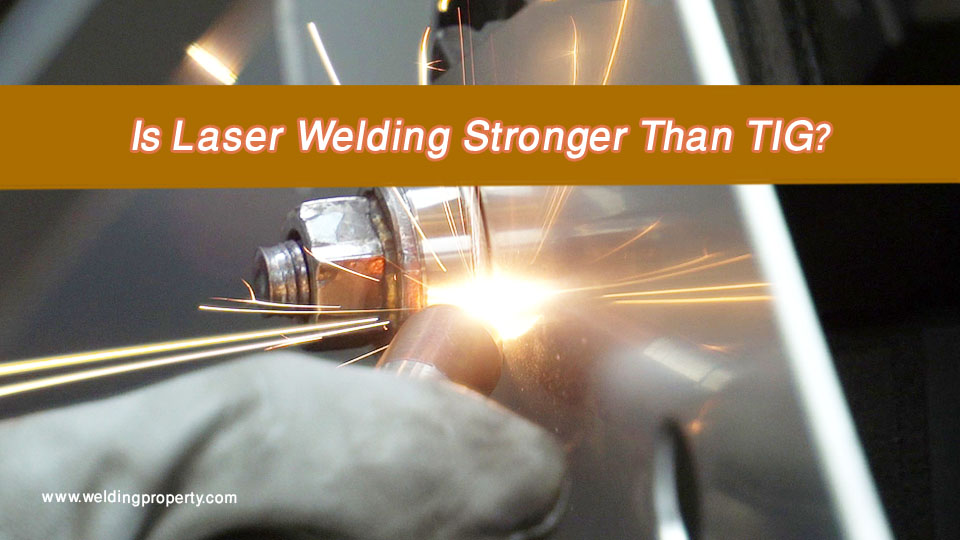
The machine sends current through a tungsten electrode (negative) to the workpiece (positive, grounded). Shielding gas—usually pure argon—protects the puddle. On pulse settings, the arc doesn’t stay constant; it “strobes,” creating a stacked-dime appearance on TIG beads or precise spot welds in micro setups.
Key parameters you control:
- Peak amperage: High burst for penetration.
- Background amperage: Often 20-40% of peak to cool the puddle.
- Pulse frequency (Hz): Pulses per second—low (1-3 Hz) for visible stacking, higher for smoother travel.
- Duty cycle: Percentage of time at peak current.
In practice, this lets you weld thinner materials or out of position with less total heat input than straight DC.
When and Why Use Pulse Arc Welding?
Use pulse arc when you need deeper penetration, work with conductive metals like copper or silver, or face thicker sections where laser might struggle without multiple passes. It’s fantastic for repairs on automotive exhaust, structural steel, stainless tanks, or jewelry findings.
Pros love it for field work or shops without massive budgets. Machines like Miller Dynasty, Lincoln, or more affordable YesWelder/ Everlast units with pulse capabilities are common in US garages and small fabs. It’s forgiving on joint fit-up compared to laser and handles dirty or slightly oxidized metal better.
Why it matters: Lower overall heat input reduces distortion on thin stainless or aluminum. You get good fusion without burning through. For hobbyists building custom fab or pros doing maintenance, pulse arc often means fewer fixtures and less post-weld straightening.
Practical Pulse Arc Settings and Tips
Start with clean metal—grind to bright, remove mill scale, oils, and paint. Bevel thicker joints for better access.
Basic starting settings for pulsed TIG on mild steel (DCEN polarity, 2% thoriated or lanthanated tungsten):
- 1/16″ tungsten: 50-120 amps peak depending on thickness.
- For 0.060″ sheet: Peak 40-60A, background 10-20A, 1-2 Hz, 30-50% duty.
- For 1/8″ plate: Peak 90-140A, background 25-50A, 2-4 Hz.
On pulsed MIG (spray transfer mode), synergic machines simplify it. Set wire speed for your average amperage, trim voltage, and let the pulse handle the rest. Common for 0.035″ wire on steel: 150-250A average range.
Joint prep advice
Tight fit-up helps, but pulse tolerates gaps better than laser. Use a good ground clamp close to the weld. For aluminum, AC pulse with higher frequency (50-150 Hz) cleans the oxide layer effectively.
Common beginner mistake
Setting frequency too high on thick material—you lose control of the puddle. Pros dial it low and walk the cup or use a dab technique for perfect stacks. Another error: Ignoring tungsten prep. Sharp point for DC, balled for AC aluminum.
Safety: Standard TIG gear—helmet with proper shade (9-13), gloves, jacket. Argon is inert but displaces oxygen, so ventilate.
What Is Laser Welding and How Does It Work?
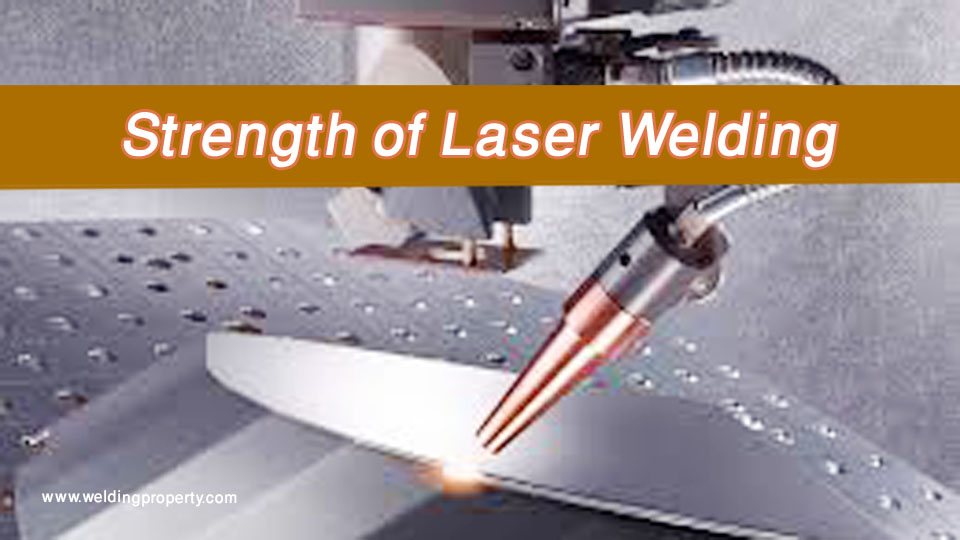
Laser welding focuses a coherent beam of light (often fiber laser) onto a tiny spot, creating intense localized heat that melts metal. It can operate in conduction mode (shallow, wide) or keyhole mode (deep, narrow penetration). No electrode touches the work—it’s non-contact.
Modern handheld fiber lasers (like 1-3 kW units popular in US shops) are game-changers. You guide the head along the joint, often with wire feeder for filler. The beam can weld dissimilar metals or thin-to-thick transitions with minimal HAZ (heat-affected zone).
Power, speed, focal position, and gas flow are your main controls. Higher power and slower speed = deeper penetration. Defocus slightly for wider beads.
When and Why Choose Laser Welding?
Laser shines on thin materials, high-volume production, or precision jobs where distortion must be near zero—like automotive body panels, medical devices, electronics enclosures, or high-end fab. It’s fast, clean, and produces beautiful welds with little cleanup.
For hobbyists, entry-level handhelds now make it accessible for custom motorcycle parts, aluminum boxes, or stainless repairs. In pro shops, it cuts cycle times dramatically on sheet metal.
Pros: Extremely low heat input—weld 0.020″ stainless without warping. Minimal spatter or oxidation. Excellent for reflective metals once parameters are dialed (though pulse arc often wins on shiny copper/silver). Automation-friendly.
Practical Laser Welding Tips and Settings
Joint prep is critical—surfaces must be clean, dry, and fit tightly (gaps under 0.1-0.2mm ideal). Any contamination causes porosity or spatter.
Typical handheld fiber laser settings (1.5-2kW class):
- Thin stainless (0.5-1mm): 800-1200W, 300-600 mm/min speed, slight defocus.
- Mild steel 2-4mm: 1500-2000W, adjust speed for keyhole.
- Add filler wire for gaps or build-up.
Use argon or argon/CO2 mix for shielding. Focus on the surface or slightly below for keyhole.
Step-by-step for a butt weld:
- Clamp parts securely with minimal gap.
- Clean with acetone and stainless brush.
- Set power/speed—test on scrap.
- Maintain consistent torch angle and standoff (usually 8-15mm).
- Overlap starts/stops to avoid craters.
Common mistakes
Poor fit-up leading to underfill or burn-through. Ignoring reflections—laser light bounces. Rushing speed control on curves. New users often forget proper focal length adjustment.
Safety considerations
Class 4 laser. You need specific eyewear for the wavelength, enclosed areas or curtains, and training. Reflections can burn skin or start fires far away. Fumes still require ventilation.
Direct Comparison: Pulse Arc vs Laser Welding
Heat Input and Distortion
Pulse arc gives good control but more total heat than laser. Laser wins for thin or heat-sensitive parts—almost no warping.
Penetration and Strength
Pulse arc often delivers deeper, stronger welds on thicker or conductive metals. Laser excels in keyhole mode for deep narrow welds but can lack reinforcement without filler.
Speed
Laser is faster, especially automated or on long seams. Pulse arc is quicker to set up for one-off repairs.
Material Compatibility
Pulse arc handles shiny/reflective metals (silver, copper) better. Laser is versatile but needs parameter tweaks on aluminum or copper. Both do stainless and mild steel well.
Cost
Pulse arc machines and consumables (tungsten, gas) are cheaper upfront and ongoing. Lasers have high initial cost but low operating costs in volume.
Ease of Use
Pulse arc feels familiar to TIG/MIG users. Laser has a shorter learning curve for clean results but demands precision in setup.
Shop Practicality
Pulse arc: Portable, rugged for field work, tolerant of real-world conditions.
Laser: Cleaner shop environment, but more sensitive to dust and alignment.
| Aspect | Pulse Arc Welding | Laser Welding |
|---|---|---|
| Heat Input | Moderate, pulsed control | Very low, precise |
| Penetration | Excellent depth | Deep narrow (keyhole) |
| Speed | Good for manual | Very high |
| Distortion | Low with pulse | Minimal |
| Material Fit | Good on conductive/thick | Best on thin, clean fit-up |
| Initial Cost | Lower | Higher |
| Cleanup | Some (depending on process) | Very little |
| Portability | High | Moderate (handhelds improving) |
Common Mistakes and How to Avoid Them
In Pulse Arc
Running too much background current—puddle doesn’t freeze enough, leading to sagging. Or mismatched frequency to travel speed, causing lack of fusion. Always test settings on scrap matching your material and thickness. Overlooking gas coverage creates oxidation.
In Laser
Bad joint prep is the #1 killer—porosity and weak welds follow. Inconsistent hand speed on handhelds creates irregular beads. Forgetting to check protective lenses or using wrong gas flow.
General
Not matching process to job. Using laser where arc gives better mechanical properties, or vice versa. Ignoring safety—both demand respect, but laser reflections add extra risk.
Real-World Examples from the Shop
Repairing a cracked aluminum oil pan: Pulse TIG with AC pulse at low frequency gave me the control to build up without melting through thin sections. Laser would have been faster but risked cracking due to aluminum’s reflectivity and heat sensitivity.
Stainless exhaust tubing: Laser produced beautiful, distortion-free seams in half the time. For a quick field patch on mild steel frame, pulse MIG or TIG was ready instantly with basic gear.
Jewelry or thin sheet fab: Pulse arc for silver/copper repairs; laser for high-volume gold or ultra-fine work.
Choosing the Right Process for Your Needs
Assess your typical jobs. Heavy repair and fabrication? Pulse arc. High-precision production on thin materials? Laser. Many shops benefit from both—pulse for versatility, laser for efficiency on repeat work.
Budget, material types, volume, and skill level all factor in. Start with what you know and expand.
Final Thoughts
I’ve discuss the real differences: how each melts metal, where one outperforms the other on penetration versus precision, and the exact settings and prep that prevent headaches. Whether you’re pulsing a TIG bead on stainless or guiding a laser across aluminum sheet, match the tool to the task and your welds will show it.
Always run a couple test coupons with your exact material, thickness, and joint type before the real weld. Ten minutes testing saves hours of grinding out failures. That habit separates the guys who get by from the ones who deliver consistent, professional results every time.