Sparks flying, metal edges scorching, and that frustrating moment when the cut just won’t line up—I’ve been there countless times. That’s when I first got curious about How to Make a Plasma Cutter from a Microwave, especially when you’re short on cash but desperate for precision. I’ve spent hours tinkering, learning the hard way which shortcuts work and which ones are just asking for trouble.
This topic isn’t just about clever DIY hacks. We’re talking serious voltage, real fire risk, and cuts that can go sideways fast if you ignore safety. Understanding the risks and proper techniques is what separates a sloppy job from a clean, durable cut.
I’m going to walk you through what actually works, the safety lessons most videos skip, and practical insights that can save both your fingers and your tools.
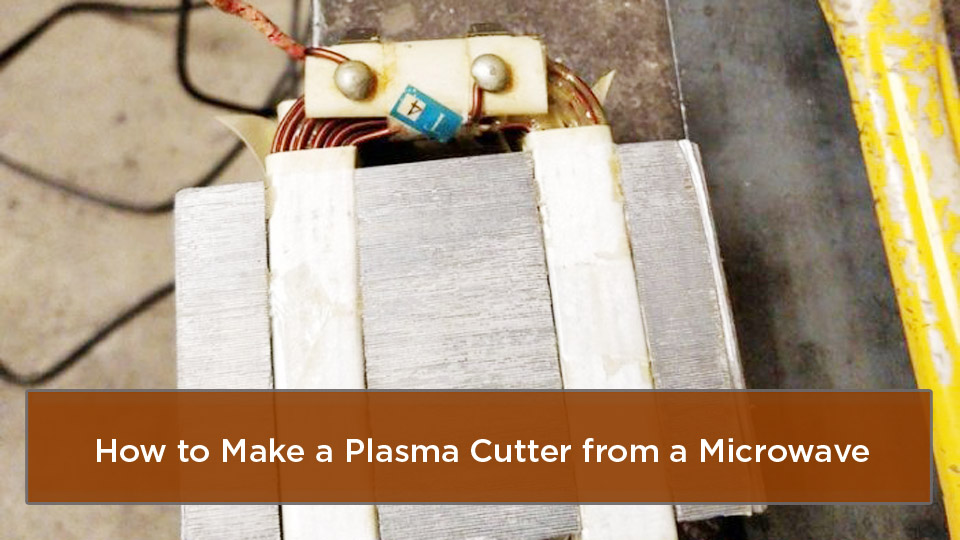
Image by washerhouse
What Exactly Is a Plasma Cutter and Why Build One Yourself?
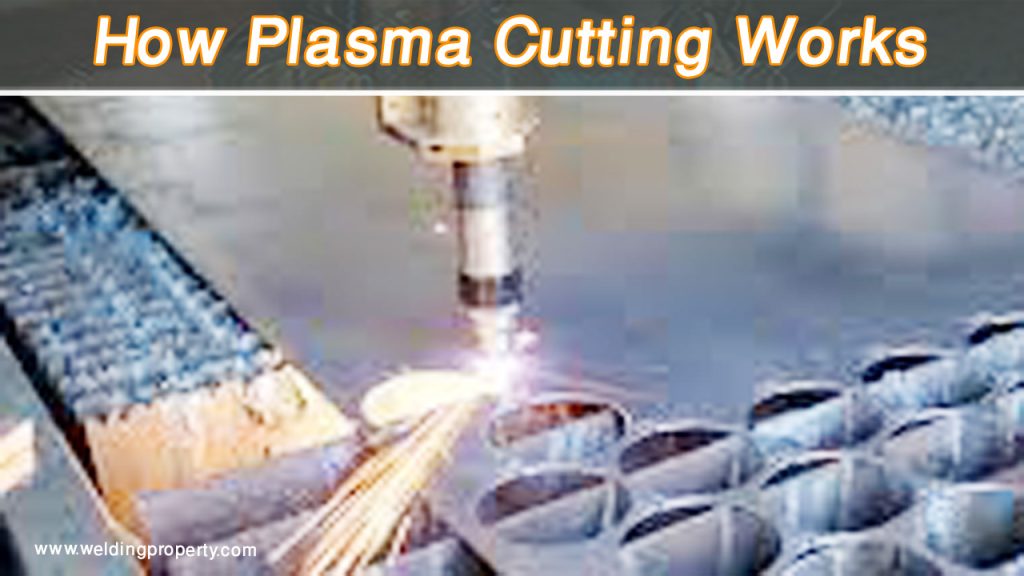
You’re in the shop, staring down a rusty quarter-inch plate that needs precise edges for a bracket. A standard oxy-acetylene torch might work, but it warps the metal and leaves slag everywhere. That’s where a plasma cutter shines—it’s a tool that uses an electrical arc to ionize compressed air into plasma, superheating it to melt and blow away metal in a narrow kerf. Commercial ones run on high-amperage DC power, with a high-voltage starter to kick off the arc.
Building one from a microwave? It’s all about that transformer. MOTs are built tough, handling 800-1000 watts stock, and with some rewiring, they provide the isolated power you need for safe, high-current output. I’ve used mine on everything from auto body panels to structural steel repairs.
Do it when your budget’s tight or you’re prototyping—why shell out $500+ when scrap parts do the trick? But only if you’re experienced; beginners, stick to store-bought until you’ve got the basics down.
In my early days, I botched a similar build by skimping on isolation, and let’s just say the sparks weren’t the fun kind.
Always test on scrap first. Check compatibility with your materials—mild steel cuts easiest, but aluminum needs higher amps to avoid dross buildup.
Gathering Parts: What Do You Really Need and Where to Find It?
Scrounging is half the fun, right? A plasma cutter boils down to power supply, arc starter, air system, and torch. For this build, start with two or three MOTs from old microwaves—hit up recycling centers or Craigslist; I’ve scored them free from appliance dumps. You’ll need to remove the high-voltage secondary windings carefully (wear gloves; those edges bite).
Other essentials: a bridge rectifier for DC conversion (grab a heavy-duty 3-phase one from surplus electronics, around $20), large capacitors (aim for 2500uF total—parallel smaller ones if needed), a contactor with a 110V coil (eBay’s your friend, $30-50), and an ignition coil from a junkyard Ford or Chevy for the high-voltage start.
Don’t forget resistors like water heater elements to limit current—I’ve used nichrome wire alternatives when elements overheated.
Air side: A solenoid valve from an old washing machine, an air filter, and a compressor hookup. Torch? Modify a cheap TIG torch or build one from copper tubing. Total cost? Under $100 if you’re resourceful. Why these? They handle the 15-25 amps you’ll pull without melting down.
Pro tip: Inspect for cracks—MOTs can have hidden faults leading to shorts. Common mistake: Grabbing undersized caps, which causes unstable arcs and frustrating restarts.
Safety First: How to Avoid Turning Your Shop into a Hazard Zone?
Listen, I’ve seen guys get zapped messing with high voltage, and it’s no joke. MOTs output thousands of volts stock, and even modified, they’re lethal if mishandled. What is it? Safety here means isolating everything—use that step-down transformer to keep line voltage away from your work area. Ground properly, enclose the board in metal, and never work alone.
How it works: High current (20A+) plus exposed wires equals electrocution risk; fumes from cutting add respiratory hazards. Use it only in ventilated spaces with a respirator. Why bother? One slip-up means burns, shocks, or worse—I’ve had a close call with a capacitor discharge that fried my multimeter. Always discharge caps with a resistor before touching.
Start with low pressure (20 PSI) to test. Mistake pros make: Rushing without PPE—leather gloves, face shield, and fire extinguisher are musts.
For materials, avoid galvanized steel indoors; the zinc fumes are toxic. Better safe than sorry—I’ve welded for years without incident by treating every build like it’s live.
Disassembling the Microwave: Step-by-Step Without the Shocks
First, unplug and discharge the capacitor—short it with an insulated screwdriver; I’ve used a resistor chain for safer bleeds. What is this step? It’s gutting the microwave for the transformer, fan, and maybe the turntable motor for extras.
How: Remove the outer case (usually 10-15 screws), locate the MOT (big heavy block), and cut the wires carefully. Use a hacksaw to remove the secondary winding—it’s the thin wire; save the primary. Why do it? Keeps costs down and recycles. Use when you have multiple units for backups.
Tip: Work on a non-conductive surface. I once nicked a primary winding and had to scrap the whole thing—measure twice, cut once. Fix bad cuts by rewinding with enameled copper (2mm dia, 35-40 turns per MOT for 120V output). Joint prep: Clean contacts with sandpaper for solid connections.
Rewinding the Transformers: Getting the Power Right
This is the heart of the build. What are we doing? Rewinding MOT secondaries to step down voltage while boosting current—aim for 60-80V DC output at 20A. How: Wind 35-40 turns of 2mm enameled wire on cardboard bobbins; series or parallel multiple MOTs for more power (I use two in series for stability).
When: For cutting up to 1/4″ steel; thicker needs more amps. Why: Commercial cutters use similar isolation to prevent feedback shocks. Tip: Use a variac if available to test windings without full power.
Mistake: Uneven turns cause hotspots—I’ve melted wire by rushing.
Settings: Start at 15A, ramp up; compatible with US 220V outlets via a 3KVA control transformer.
Building the Power Supply: High Current DC Setup
Now, assemble the core. What is it? A rectifier-capacitor bank turning AC to smooth DC. How: Wire the bridge rectifier to MOT outputs, add caps in parallel for ripple control. Include a reed switch to sense current and kill the HV start once arcing.
Use when sustained cuts are needed—prevents rod-like burn-off in welding terms, but here it’s arc stability. Why: Smooth power means cleaner cuts, less distortion. Shop anecdote: On a truck frame repair, uneven DC caused pitting; fixed with bigger caps.
Tip: Heat sinks on rectifiers—mine overheated once, shutting down mid-cut. Common fix: Add fans from old PCs.
| Component | Purpose | Amperage Range | Pros | Cons |
|---|---|---|---|---|
| Bridge Rectifier | AC to DC conversion | 20-30A | Cheap, reliable | Heats up fast |
| Capacitors (2500uF) | Smoothing ripple | 15-25A | Stable arc | Bulky, expensive if new |
| Water Heater Element | Current limiting | 10-20A | Easy to source | Can overheat without cooling |
High-Voltage Arc Starter: Igniting the Plasma Safely
Can’t cut without starting the fire. What is it? A circuit pulsing high voltage to ionize air. How: Wire an ignition coil (Chevy style) with a dimmer switch and capacitor; pulse DC to mimic AC, avoiding shorts.
When: Every trigger pull; auto-restarts on arc loss. Why: Overcomes air resistance without contact, reducing tip wear.
Tip: Use a 555 timer for better pulsing if basic fails—I’ve swapped in MOSFET drivers for reliability.
Mistake: Direct DC melts coils; learned that the hard way on a prototype. Settings: 5-10kV pulse, low amps to avoid interference.
Air System: Blowing Away the Molten Mess
Plasma needs gas to cut. What? Compressed air setup with solenoid and filter. How: Hook to a compressor at 25-30 PSI; solenoid triggers with the arc. Why: Blows slag, cools the cut, minimizes distortion.
Use on conductive metals; when prepping joints for welding post-cut. Tip: Preheat air via aluminum straps near resistors—prevents condensation.
Anecdote: Clogged filter once stalled my cut mid-project; now I clean weekly. Mistake: High pressure erodes tips—start low.
Assembling the Torch: The Business End
The torch is your interface. What? A handle with nozzle, electrode, and air feed. How: Modify a commercial plasma torch or build from copper—insulate heavily. Why: Directs plasma precisely, reducing rework.
When: For handheld ops; pros for tight spaces. Tip: Ceramic nozzles last longer; replace when pitted. Common issue: Poor grounding causes weak arcs—clamp directly to work.
Wiring It All Together: Schematic and Testing
Time to connect. What? Follow a schematic dividing into power, DC, low-voltage, and HV sections. How: Use terminals for mods; double-check with multimeter.
Why: Prevents crossed wires frying components. Tip: Label everything—saved me hours debugging. Test: Low power first, then full cut on scrap. Fix bad arcs by adjusting amps.
Troubleshooting Common Builds Gone Wrong
Stuff happens. What if no arc? Check HV coil pulsing. Overheating? Add cooling. Why diagnose? Saves time on jobs. Tip: Reed switch failure—replace with current transformer for pros.
Upgrading for Thicker Cuts: Beyond the Basics
Want more? Parallel MOTs for 30A. What? Boost power. How: Series/parallel configs. Why: Handles 1/2″ steel with less passes.
Tip: Inverter add-on eliminates resistors. Anecdote: Upgraded mine for a gate fab—cut distortion-free.
Real-World Applications: From Garage to Pro Shop
I’ve used this on repairs, art pieces. What? Clean preps for SMAW welding. Why: Matches electrode diameters (like 1/8″ rods at 100A) for compatibility.
Final Thoughts
I’ve spent years refining this setup, from burnt fingers to flawless cuts. It’s empowering knowing you built a tool that tackles real challenges, like slicing through rusted bolts without warping frames.
You’re now armed with the know-how to choose components wisely, dial in settings for clean penetration, and avoid costly mistakes that lead to rework or hazards. Always prioritize ventilation—those fumes sneak up on you, but with a good extractor, you’ll weld safer and smarter.
FAQs
Can I Use This Plasma Cutter for Aluminum?
Absolutely, but crank amps to 20-25 and use lower pressure (20 PSI) to avoid oxidation buildup. I’ve cut 1/8″ sheets clean; prep by cleaning oils first.
What’s the Safest Way to Discharge the Capacitor?
Short it with a 10k ohm resistor across terminals—hold for 30 seconds. Never use bare tools; I’ve seen sparks fly from rushed discharges.
How Do I Know If My Transformer Is Overheating?
Monitor with an IR thermometer—over 150°F means add fans or limit duty cycle to 50%. Happened to me once; paused cuts every 5 minutes.
Will This Work with a Standard Home Outlet?
Yes, on 220V 20A breakers, but use a step-down for isolation. I’ve run mine in garages without issues, but check your panel load.
Common Mistake: Wrong Air Pressure Leading to Poor Cuts?
Start at 25 PSI; too high erodes tips, too low leaves dross. Adjust based on material—test on scrap to dial it in.