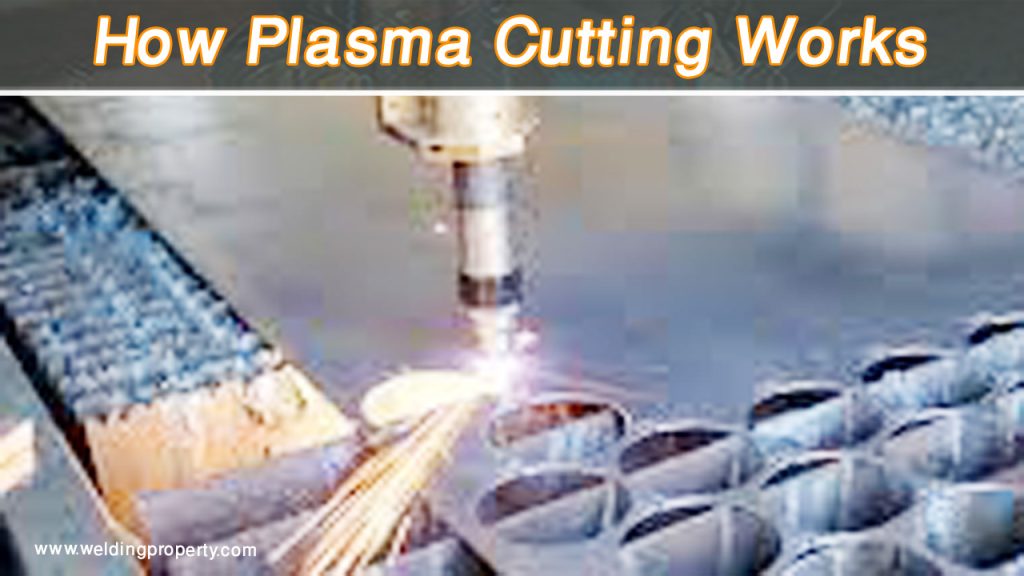
The first time I cut rusty plate with a plasma cutter, I was focused on keeping a straight line—not on my eyes. A burst of white arc flash and flying sparks made me jerk back fast, and that’s when I realized I didn’t actually know What Eye Protection for Plasma Cutter work was supposed to look like. That quick scare stuck with me longer than the bad cut.
Plasma cutting throws intense light, hot slag, and fine metal dust right at your face. If your eye protection is wrong, you’ll feel it by the end of the day—burning eyes, headaches, and blurred vision that make even simple welds harder. I’ve ruined good work and wasted material just because I couldn’t see clearly.
After testing different shades, goggles, and face shields in real shop conditions, I learned what protects your eyes without killing visibility or comfort. Here’s what actually works, and how to choose the right setup for your cutter and job.
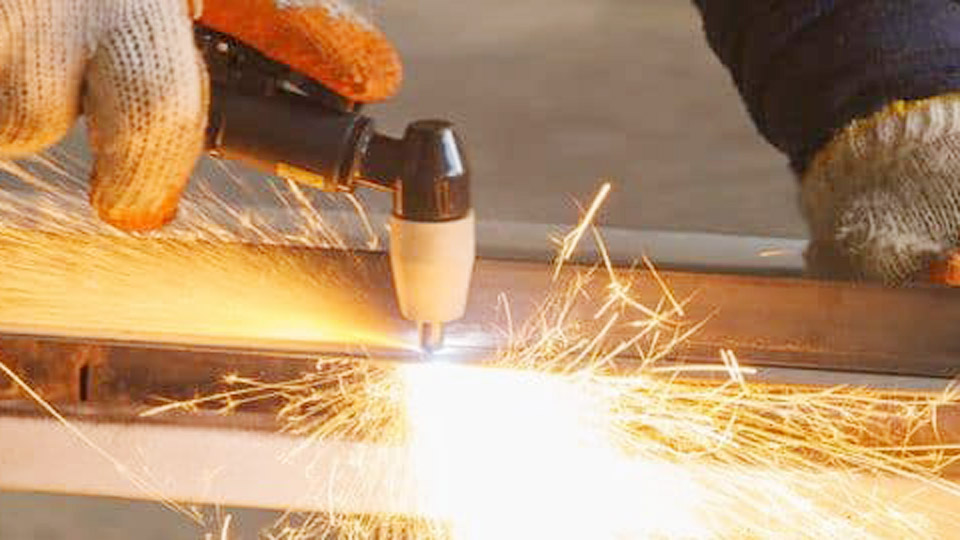
Image by fabville
Why Proper Eye Protection Matters in Plasma Cutting
You’re in the middle of a cut on a thick plate, the plasma arc humming away, and suddenly you realize your eyes are straining. That’s the moment improper protection bites back. Eye safety in plasma cutting isn’t optional—it’s foundational to preventing long-term damage like cataracts or retinal burns from UV exposure.
In my early days as an apprentice in a Texas fab shop, I once tried cutting without upgrading my shades for a 60-amp job, and by evening, my eyes were watering like I’d stared at an eclipse. Arc eye, or photokeratitis, hits hard and fast, causing inflammation that can sideline you for days.
Beyond immediate pain, poor visibility from wrong shades leads to sloppy cuts, wasted material, and even accidents.
Think about it: if you can’t see the kerf clearly, you’re risking burn-through or uneven edges, which means more grinding and rework. For pros following US welding codes like AWS D1.1, compliance with safety standards ensures jobs pass inspection without rework costs.
Students and hobbyists, this is where you build good habits early—I’ve mentored kids who thought sunglasses would do, only to learn the UV rays penetrate anyway. Proper gear maintains weld integrity by letting you monitor the process accurately, saving time and money on materials like steel plates or aluminum sheets.
From a cost-efficiency standpoint, investing in quality eye protection pays off. Cheap knockoffs might crack under heat or fog up, forcing frequent replacements. I’ve switched to durable options that last years, reducing overhead in my home shop.
Plus, in industrial settings, OSHA guidelines mandate minimum protections to avoid fines. It’s all about balancing safety with practicality—protect your eyes, and you’ll cut better, faster, and safer every time.
Understanding the Hazards of Plasma Cutting
Plasma cutting works by ionizing gas into a superheated plasma stream that melts metal on contact, but that process unleashes a cocktail of dangers for your eyes. The arc produces ultraviolet (UV) and infrared (IR) radiation, which can cause flash burns without direct contact.
I’ve felt the sting after a long session on stainless, where the brighter arc amplified the risk. Blue light from the plasma also contributes to eye fatigue, especially in prolonged cuts.
Sparks and molten slag add another layer—without protection, they can fly back and cause corneal abrasions. In one shop incident I witnessed, a guy using basic glasses got a hot speck embedded, leading to an ER visit.
Fumes from cutting painted or galvanized metals release zinc oxide, irritating eyes further if not ventilated properly. For CNC plasma tables, the hazard shifts to indirect exposure while monitoring from afar, but reflections off shiny surfaces can still zap you.
Material compatibility plays in too—cutting aluminum reflects more light than mild steel, demanding darker shades. I’ve learned to prep by cleaning surfaces to minimize spatter, but hazards remain. Why use it then? Plasma’s speed and precision beat alternatives for thin to medium gauges, but only if you’re shielded right.
Ignoring this invites cumulative damage, like macular degeneration over years. Stay ahead by recognizing these risks and gearing up accordingly.
What Shade Level Do You Need for Your Plasma Cutter?
Shade levels are your first line of defense, filtering out harmful rays while letting you see the cut. Too light, and you’re exposed; too dark, and you’re fumbling blindly.
Based on my hands-on trials with machines like Hypertherm and Lincoln, the right shade ties directly to your cutter’s amperage. For low-amp hobby work, lighter shades suffice, but ramp up for industrial cuts to avoid strain.
I’ve experimented in my garage with a 45-amp unit on 1/4-inch steel, finding shade 5 perfect for visibility without glare. Higher amps mean brighter arcs, so adjust accordingly. Always check your machine’s manual—US brands like Miller specify ranges aligned with ANSI Z49.1 standards. If you’re new, start conservative; I once went too light on a 80-amp job and paid with sore eyes.
Practical tip: Test shades in a dim shop corner before committing. Machine settings matter too—lower voltage reduces arc intensity, potentially allowing lighter protection. But err on safety; I’ve seen pros use shade 8 for routine 60-amp cuts to prevent fatigue on long shifts.
Recommended Shades Based on Amperage
Let’s break it down simply. For cutters under 40 amps, like entry-level DIY models, shade 4 or 5 keeps things clear for thin sheet metal. I’ve used this on galvanized steel without issues, ensuring I can spot dross buildup.
Bump to 40-60 amps for medium plates, and shade 5-6 is ideal. In fabrication classes I taught, students cutting 3/8-inch mild steel thrived with shade 6, spotting kerf width easily. For 60-80 amps on thicker stock, shade 8 blocks the intensified glare—perfect for stainless where reflections amplify risks.
Above 80 amps, go shade 10 or higher. On a 100-amp industrial setup, I relied on this for clean, deep cuts without eye strain. Here’s a quick comparison table:
| Amperage Range | Recommended Shade | Best For | Pros | Cons |
|---|---|---|---|---|
| Below 20 Amps | Shade 4 | Thin sheets, hobby work | High visibility, less fatigue | May not suffice for brighter arcs |
| 20-40 Amps | Shade 5 | Mild steel, general fab | Balanced protection and clarity | Can feel dark in low-light shops |
| 40-60 Amps | Shade 6 | Medium plates, aluminum | Blocks UV effectively | Requires good shop lighting |
| 60-80 Amps | Shade 8 | Thick stock, stainless | Prevents arc eye on long cuts | Limits peripheral vision |
| Above 80 Amps | Shade 10+ | Heavy industrial | Maximum safety | Very dark, needs practice |
Remember, these are guidelines—personal comfort varies. I adjust based on material; darker for reflective alloys.
Types of Eye Protection Available for Plasma Cutting
With shades sorted, let’s pick the gear that fits your style. I’ve tried it all, from basic glasses in quick garage jobs to full helmets on pro sites. Each type has its place, balancing protection, comfort, and cost. Focus on ANSI-rated options from US brands like Hobart or Uvex for reliability.
For DIYers, start simple, but pros, layer up for comprehensive coverage. I’ve mixed and matched, like glasses under shields for overhead cuts. Key is fit—loose gear slips, tight ones fog. Clean lenses daily to avoid scratches impairing vision.
Safety Glasses for Plasma Cutting
Safety glasses are my go-to for quick, low-amp cuts where mobility matters. They’re lightweight, wraparound styles with tinted lenses that block UV/IR without bulk. I’ve used shade 5 models from Miller on 30-amp jobs, appreciating how they let me see soapstone marks clearly.
How they work: Polycarbonate lenses filter rays, with side shields adding peripheral protection. Use them when hand-holding the torch on bench work—great for hobbyists prepping joints. Tip: Choose anti-fog coatings; nothing worse than steaming up mid-cut.
Personal lesson: Once, on a rusty truck frame repair, my cheap pair scratched, forcing a redo. Now, I opt for mirrored finishes that reflect heat. Pros: Affordable (under $20), comfortable over prescriptions. Cons: No face coverage for spatter. For students, these build confidence without overwhelming gear.
Face Shields: Full-Face Defense Against Sparks
When spatter flies, face shields step up, covering your mug from chin to forehead. I’ve sworn by them for manual plasma on vertical surfaces, where molten bits ricochet. Shade 5-8 visors flip up for setup, keeping hands free.
They work by combining a headband with a tinted polycarbonate window, often ratcheting for fit. Ideal for fabrication hobbyists on larger pieces—I’ve used Uvex models on 50-amp cuts, shielding against fumes too. Prep tip: Pair with a respirator for galvanized work to avoid zinc irritation.
Anecdote: In a windy outdoor job, my shield blocked a slag shower that would’ve scorched my skin. Pros: Comprehensive coverage, adjustable. Cons: Can feel cumbersome in tight spaces. For industry workers, these meet OSHA for multi-hazard protection.
Welding Helmets Adapted for Plasma Work
For versatility, adapt your welding helmet—auto-darkening ones shine here. Set to grind mode (shade 3-5) for plasma, avoiding flicker. I’ve used Jackson helmets on mixed TIG/plasma days, flipping between processes seamlessly.
How it adapts: Sensors detect arc but lock light for steady viewing. Use when switching tasks—pros in shops love this for efficiency. Tip: Cover sensors for fixed shade if auto annoys. On CNC tables, lighter settings suffice since you’re not staring directly.
Lesson learned: Early on, a dark helmet blinded me on low amps, causing wavy cuts. Now, I calibrate sensitivity. Pros: Multi-use, head protection. Cons: Bulkier, pricier. Great for students learning multiple techniques.
Step-by-Step Guide to Selecting Eye Protection
Choosing gear doesn’t have to overwhelm. Step one: Assess your cutter’s amps and materials. For a 45-amp on steel, aim shade 5-6.
Step two: Consider your setup—manual needs mobility, CNC allows bulkier options. I’ve guided hobbyists to glasses for garage work.
Step three: Fit and test. Try on in-store; ensure no gaps. Adjust straps for all-day comfort.
Step four: Check certifications—ANSI Z87.1 for impact, UV ratings. Budget $15-100 based on type.
Step five: Maintain—clean with microfiber, store properly. Replace scratched lenses promptly.
Follow this, and you’ll cut confidently. I’ve refined my kit this way, saving headaches.
Common Mistakes Welders Make with Eye Protection
Biggest blunder: Using sunglasses instead of rated gear. They dim light but let UV through, dilating pupils for more damage. I tried it once as a rookie—woke up with arc eye agony.
Another: Ignoring amperage. Low-shade on high amps causes spots; I’ve fixed wavy cuts from blinded pros.
Overlooking face coverage—glasses alone invite slag burns. In one shop, a trainee learned after a cheek scar.
Mistake: Not cleaning lenses. Grime reduces visibility, leading to errors. Tip: Daily wipe-downs.
Forgetting fumes—pair with ventilation. I’ve coughed through sessions without, irritating eyes further.
Avoid these by learning from my slips; stay proactive.
Practical Tips and Workshop Hacks for Eye Safety
In the trenches, little hacks make big differences. Position your torch to block direct arc view—I’ve cut miles this way without staring.
For machine settings, dial voltage low for dimmer arcs, easing shade needs. On Hypertherm, 130V for 1/4-inch keeps glare manageable.
Prep joints by beveling edges for smoother cuts, less spatter. Clamp workpieces securely to minimize vibrations amplifying hazards.
Anecdote: On a custom gate fab, I used crosshairs on my torch for no-look alignment, saving eyes.
For long sessions, take breaks—every 30 minutes, step away. Hydrate to combat dry eyes from heat.
Hobby hack: Flip-up shades for quick checks. Pros, integrate with PPE like gloves for seamless flow.
Material tip: On aluminum, use darker shades for reflections. Store gear in a dedicated bin to avoid damage.
These keep you efficient, embodying hands-on wisdom.
Additional Safety Gear to Pair with Eye Protection
Eye gear shines brighter with companions. Leather gloves shield hands from heat—I’ve burned fingers without.
Respirators filter fumes, especially on coated metals. N95 for basics, powered for heavy use.
Aprons or jackets protect skin—plasma sparks ignite cotton fast. I layer fire-resistant ones.
Ear plugs dampen noise; boots guard feet from drops. Ventilation fans clear smoke, reducing eye irritation.
For CNC, remote monitors minimize exposure. In US shops, this kit meets codes, boosting productivity.
I’ve built my setup piecemeal, ensuring compatibility—like helmets over respirators.
Conclusion
From shades tied to amps to types like glasses, shields, and helmets. You’re better prepared to pick gear that safeguards your vision, enhances cut quality, and keeps you in the game longer. Remember, safety isn’t a chore; it’s what lets you enjoy the craft. Always have a spare pair handy—nothing halts a hot streak like scratched lenses. Stay safe out there, and happy cutting.
FAQ
What shade should I use for a 40-amp plasma cutter?
For 40 amps, go with shade 5 or 6. It blocks UV without darkening too much, ideal for mild steel. I’ve used shade 5 on similar setups for clear views during cuts.
Can I use my auto-darkening welding helmet for plasma cutting?
Yes, set it to grind mode for a fixed light shade around 4-5. It works well for versatility, but test sensitivity to avoid flickering on angled cuts.
What happens if I don’t wear proper eye protection while plasma cutting?
You risk arc eye—burning, gritty pain that can last days. Long-term, UV exposure leads to serious issues like cataracts. I’ve seen it sideline guys; always gear up.
Are face shields better than glasses for plasma work?
Face shields offer full coverage against sparks and slag, making them superior for manual cuts. Glasses are fine for quick jobs, but shields add skin protection.
How do I know if my eye protection is ANSI-rated for plasma?
Look for Z87.1 markings on the frame or lens. It ensures impact and UV resistance. Stick to US brands like Lincoln for compliance.