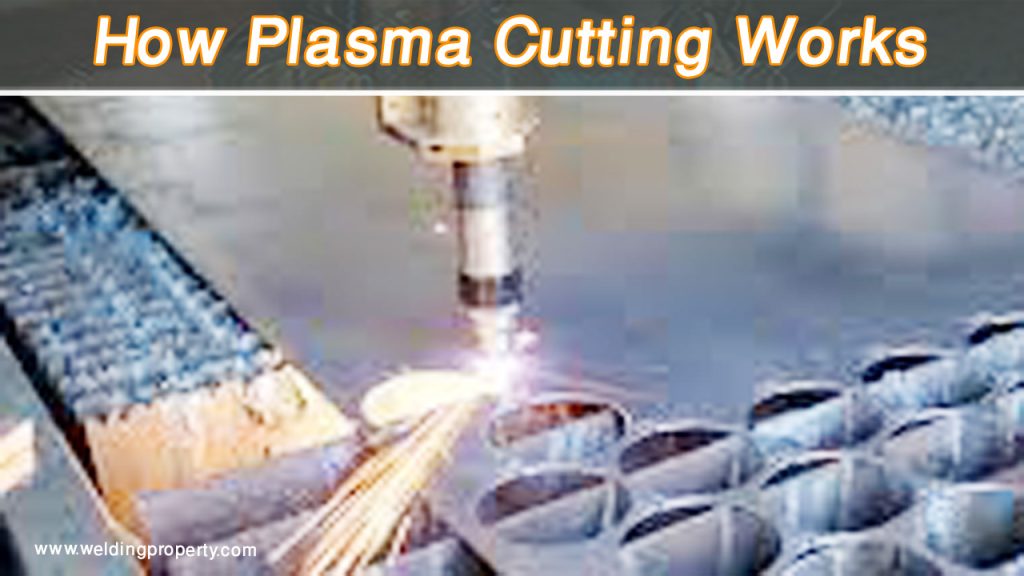
Many people assume plasma cutters need bottled gas like an oxy-fuel setup, especially when they see how clean and fast the cut is. In real shop work, that assumption usually leads to confusion about setup, air supply, and cut quality. That’s why the question do plasma cutters use gas or compressed air comes up so often among beginners and even experienced fabricators.
From hands-on use, most plasma cutters run on clean, dry compressed air, not specialty gas cylinders. That air is electrically charged inside the torch to create plasma hot enough to slice through steel, stainless, and aluminum. I’ve only seen bottled gases used on higher-end industrial systems, and even then, air is still the most common choice.
This matters because poor air quality can ruin consumables and leave rough, inconsistent cuts. Let me break down when compressed air is all you need, when gas systems make sense, and how to set things up for clean, reliable cutting every time.
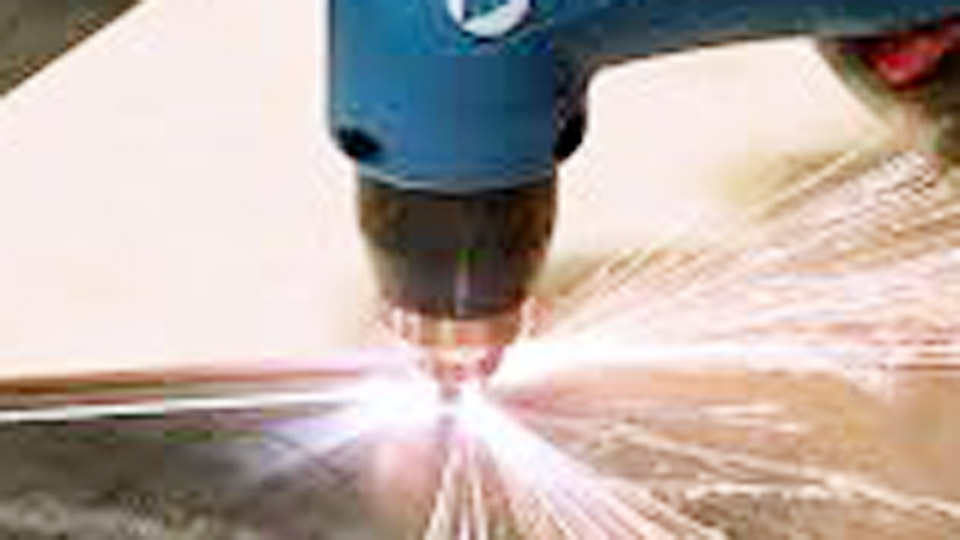
Photo by millerwelds
What Makes Plasma Cutting Different from Other Methods?
Plasma cutting stands out because it’s fast and versatile for conductive metals, but it relies on that ionized stream to melt and blow material away. If you’ve ever switched from an oxy-acetylene torch to plasma, you know the speed boost— we’re talking severing 1/2-inch steel in seconds instead of minutes.
How it works starts with electricity and gas flow. An electrode inside the torch creates an arc, superheating the gas (or air) to plasma state—over 20,000 degrees Fahrenheit.
That plasma jet pierces the metal, and the gas pressure ejects the molten slag. Use it for straight cuts, gouging, or even beveling edges on fabrication jobs like building frames or repairing farm equipment.
I pull out my plasma cutter when time is tight, like prepping joints for welding on a pipeline repair. Why? It minimizes heat-affected zones, reducing warping on thin sheets. Shop tip: Always clamp your workpiece securely; vibration can throw off your arc and ruin the cut.
How Does the Gas or Air Affect Your Plasma Cuts?
The gas isn’t just there for show—it’s what forms the plasma and clears the kerf. Compressed air is basically filtered shop air, while gases like nitrogen or oxygen come from bottles. Air is cheaper and easier, but specific gases give better results on certain metals.
It works by flowing through the torch at high pressure, ionizing in the arc, and exiting the nozzle as plasma. For air, you’ll need 60-90 PSI from a compressor; for gases, regulators keep it steady. Choose air for general work, but switch to gas when quality counts, like on stainless to avoid oxidation.
In my shop, I use air 80% of the time for mild steel repairs—it’s quick to set up. But for a recent aluminum boat hull patch, nitrogen made the edges cleaner, saving me sanding time. Tip: Check your filter daily; moisture in air lines clogs nozzles and shortens consumable life.
When Should You Use Compressed Air in Your Plasma Cutter?
Compressed air is the go-to for most entry-level and mid-range plasma cutters, especially those under 60 amps. It’s what powers the plasma in air plasma systems, blowing away molten metal without needing extra tanks.
The process ionizes the air just like gas, but it’s less pure, so cuts might have more dross on thicker stock. Use it when you’re cutting mild steel up to 1 inch, stainless up to 3/4 inch, or aluminum in a pinch—great for hobby projects or field repairs where portability matters.
I’ve relied on air for years on jobs like cutting brackets for truck beds. It’s cost-effective—no refills—and my 5-horsepower compressor handles it fine.
But here’s a mistake I see: Running air too low on pressure leads to incomplete cuts. Aim for 70-80 PSI at the torch; test with a gauge inline.
Practical tip: If your compressor cycles too much, add a larger tank or run shorter hoses to maintain flow. This keeps your arc stable, preventing those frustrating starts and stops mid-cut.
Why Switch to Specialty Gases for Better Results?
Specialty gases like oxygen, nitrogen, or argon-hydrogen mixtures elevate your cuts from functional to precision. They’re used in dual-gas or high-definition plasma systems for cleaner edges and faster speeds.
Oxygen, for instance, reacts with mild steel for a hotter, narrower arc—perfect for thick plates. Nitrogen shields stainless from oxidation, while argon-hydrogen excels on aluminum for minimal bevel.
Pull these out for pro jobs, like fabricating stainless exhausts or aluminum signs, where appearance counts. In one shop mishap, I tried air on 304 stainless and got black edges that needed pickling—switched to nitrogen, problem solved.
Tip: Start with regulator settings from your machine manual, like 25-35 PSI for nitrogen. Always purge lines before switching gases to avoid contamination.
Picking the Best Gas for Mild Steel Cuts
For mild steel, oxygen often wins for quality, but air is fine for rough work. Oxygen gives square edges with less dross, ideal for weld prep.
It works by enhancing oxidation, speeding the cut. Use it on thicknesses over 1/4 inch when you need minimal cleanup.
I remember burning through a stack of A36 plates for a bridge repair—oxygen at 45 amps flew through 3/4-inch stock. Why use it? Reduces rework time by 50%.
Shop floor tip: Pair oxygen with fine-cut consumables for thin gauge; it prevents melting the edges.
Handling Stainless Steel with the Right Plasma Gas
Stainless demands nitrogen or argon blends to prevent carbide precipitation and discoloration. Air works but leaves oxides that weaken welds.
Nitrogen flows as plasma gas, cooling the cut and shielding the metal. Opt for it on 300-series stainless for food-grade or decorative fab.
On a brewery tank job, air caused rust spots—nitrogen fixed it, giving mirror-like edges. Common error: Using oxygen, which blackens stainless instantly.
Tip: Run at lower amps, say 30-50 for 1/4-inch, and slow your travel speed for straight cuts.
Cutting Aluminum Cleanly: Gas Choices That Work
Aluminum loves air or nitrogen; argon-hydrogen for thick stuff. Air is versatile but can leave rougher finishes.
The gas ionizes to melt the soft metal quickly. Use nitrogen for thicknesses over 1/2 inch to avoid oxidation haze.
I’ve cut countless aluminum trailers with air, but for marine repairs, nitrogen prevents pitting. Why? It keeps the cut inert.
Pro tip: Increase standoff height slightly—1/8 inch—to reduce tip drag on soft aluminum.
Setting Amperage Ranges for Different Material Thicknesses
Amperage controls cut speed and depth; too low, and you drag; too high, and you warp thin stock. Match it to thickness and gas.
For mild steel with air: 20-30 amps for 1/8-inch, 40-50 for 3/8-inch, up to 80 for 1-inch.
On stainless with nitrogen: Drop 10-20% amps compared to steel—30 amps for 1/4-inch.
Aluminum needs higher amps due to conductivity—50 amps for 1/2-inch with air.
In practice, I dial in based on machine feedback; my Hypertherm Powermax45 sings at 45 amps on 1/2-inch mild.
Tip: Use test scraps to fine-tune; mark settings on your machine for quick reference.
Here’s a quick comparison table for common setups:
| Material | Thickness | Recommended Amperage | Gas/Air | Travel Speed (IPM) |
|---|---|---|---|---|
| Mild Steel | 1/8″ | 20-30A | Air or Oxygen | 100-150 |
| Mild Steel | 1/2″ | 40-60A | Oxygen | 40-60 |
| Stainless | 1/4″ | 30-40A | Nitrogen | 50-80 |
| Stainless | 3/4″ | 60-80A | Argon-Hydrogen | 20-40 |
| Aluminum | 1/4″ | 30-50A | Air | 60-100 |
| Aluminum | 1″ | 80-100A | Nitrogen | 15-30 |
Adjust based on your machine—Lincoln or Miller models might vary slightly.
Pros and Cons of Compressed Air vs. Bottled Gases
Compressed air pros: Cheap, no tanks to haul, works on most metals. Cons: More dross, shorter consumable life, not ideal for stainless.
Gases pros: Cleaner cuts, better on exotics, faster on thick stock. Cons: Higher cost, need regulators, storage space.
I stick with air for daily use but keep nitrogen on hand for client jobs. Balance based on your workload.
Step-by-Step Guide to Setting Up Your Plasma Cutter
- Inspect your machine: Check cables, torch for damage—safety first.
- Choose gas/air: Hook up compressor or bottle, set pressure (70 PSI air, 30 PSI gas).
- Install consumables: Nozzle, electrode matching amps/thickness.
- Set amperage: Dial to material specs.
- Ground clamp: Secure to clean metal.
- Test arc: On scrap, adjust speed and height (1/16-1/8 inch standoff).
- Cut: Steady hand, consistent speed.
I walk new trainees through this every time; skips prevent fires or bad cuts.
Avoiding Common Mistakes That Mess Up Your Plasma Jobs
One biggie: Ignoring consumable wear. Worn nozzles cause erratic arcs—replace every 20-40 hours.
Wrong torch height: Too low drags, too high loses cut. Use drag tips for hand cutting.
Rushing speed: Slow down on curves to avoid bevel.
I once rushed a gate cut and had to grind for hours—now I practice on scrap.
Fix bad cuts by grinding dross, but prevent with right gas.
Keeping Safe While Plasma Cutting in the Shop
Safety isn’t optional; plasma arcs are bright and hot. Wear #5 shade helmet, leather gloves, flame-resistant jacket.
Ventilate: Fumes from coatings can be toxic—use exhaust fans.
Don’t touch hot cuts; let cool. Keep fire extinguisher nearby.
In my shop, I enforce eye protection—arc flash burns hurt bad.
Tip: Ground properly to avoid shocks; inspect grounds daily.
Joint Prep and Material Handling for Plasma Cuts
Clean metal first—remove rust, paint for stable arc.
For welding after, bevel edges at 30 degrees on thick stock.
Handle hot pieces with tongs; stack cut parts to cool.
On repair jobs, I prep by grinding scale—saves arc issues.
Machine Recommendations for US Shops
Entry-level: Eastwood Versa Cut 40—great with air for DIY.
Pro: Hypertherm Powermax65—dual-gas capable.
Miller Spectrum 625—reliable for shop use.
Match to your compressor; need at least 4.5 CFM at 90 PSI.
Real Shop Anecdotes: Lessons from Burned Tips and Bad Cuts
Early on, I blew a nozzle using wet air—now I drain tanks daily.
On a fence job, wrong gas oxidized stainless; client wasn’t happy. Switched setups, redeemed myself.
Wrapping Up
All those late nights troubleshooting arcs, it’s clear that nailing your plasma gas choice—air for everyday, gases for precision—transforms frustrating sessions into smooth workflows. You’ve got the tools now to pick the right setup, tweak amperage, and dodge pitfalls, meaning fewer do-overs and more time on what you love: building stuff that lasts.
With this knowledge, you’re equipped to tackle any cut confidently, whether it’s a quick fix or a custom fab. Always run a dry pass without power to check your path—it catches alignment issues before you strike the arc.
FAQ’s
Can I Use Regular Shop Air for All My Plasma Cutting?
Yes, for most mild steel and aluminum jobs under 1/2-inch, but filter it well to avoid moisture damaging your torch. For stainless, switch to nitrogen to prevent ugly edges.
What’s the Best Amperage for Cutting 1/4-Inch Steel?
Start at 30-40 amps with air or oxygen, travel at 60-80 IPM. Test on scrap—if dross builds, bump amps or slow down.
How Do I Know If My Plasma Consumables Need Replacing?
Look for pitted electrodes or enlarged nozzle holes. If your arc wanders or cuts slow, swap them—don’t wait for blowouts.
Is Plasma Cutting Safer Than Oxy-Acetylene?
In many ways, yes—no open flames or explosive gases—but still wear PPE and ventilate, as UV rays and fumes are real risks.
Why Are My Plasma Cuts Beveled Instead of Straight?
Usually wrong height or speed. Set standoff to 1/8-inch, match speed to amps, and ensure gas pressure is steady.