
I still remember my first real stick weld on a piece of scrap 1/4-inch plate. I flipped the hood down with a shade 10 lens, struck the arc, and immediately regretted it. The brightness punched right through, leaving spots in my vision for the next hour.
That mistake taught me something every welder learns the hard way: the right lens shade isn’t just about comfort—it’s about protecting your eyes while actually seeing what you’re doing so you can lay down clean, strong beads.
What shade of lens should be worn when arc welding depends on the process, amperage, electrode size, and even your shop lighting. Get it wrong and you risk arc flash, eye strain, poor visibility that leads to bad welds, or worse.
I’ll walk you through exactly what I’ve learned over years in the shop—from hobby projects in my garage to professional fabrication jobs—so you can choose confidently every time.
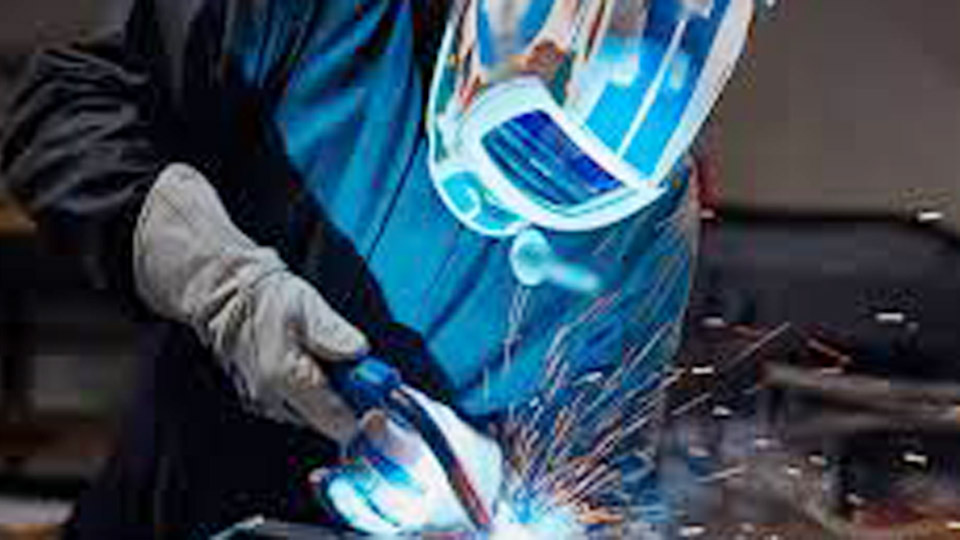
Image by zhouxianggroup
Why Lens Shade Choice Matters More Than Most Welders Admit
Arc welding throws out intense visible light, ultraviolet (UV), and infrared (IR) radiation. Your eyes absorb this energy fast. Too light a shade and you’re frying your corneas. Too dark and you can’t see the puddle, leading to lack of fusion, undercut, or wandering beads that fail inspection or break under load.
I’ve seen pros blow through expensive material because they couldn’t clearly see the leading edge of the puddle. I’ve also watched beginners squint and fight a dark lens, producing inconsistent arcs and tired eyes by lunch.
Proper shade selection balances protection with visibility, which directly affects penetration, bead profile, travel speed, and your long-term eye health.
Understanding Welding Lens Shades: What the Numbers Actually Mean
Lens shades follow a standardized numbering system where higher numbers mean darker filters. Each step up roughly halves the light transmission. Shade 9 lets in more light than shade 10, and so on up to shade 14, which is nearly black.
These numbers come from ANSI Z87.1 standards and OSHA guidelines. Fixed shade lenses have one number. Auto-darkening helmets (ADF) let you adjust the shade and often include grind modes (usually shade 3-5) for chipping and grinding without flipping the hood up.
In practice, I start one shade darker than I think I need, then lighten it until I can see the puddle clearly without discomfort. This simple rule has saved me more headaches—literally—than any other tip.
Shade Recommendations for SMAW (Stick/Arc Welding)
Stick welding remains one of the most common processes in the US, especially for repair work, structural steel, and field fabrication. The arc is bright and the electrode changes as it burns, so shade needs stay conservative.
For 6010 and 6011 rods (deep penetration, fast-freeze):
- 1/8″ at 90-140 amps: Shade 10-11
- 5/32″ at 140-200 amps: Shade 11-12
These cellulose rods produce a forceful, bright arc. I run shade 11 on most 1/8″ 6010 jobs on mild steel. It gives me a clear view of the keyhole without overwhelming my eyes.
For 7018 low-hydrogen rods:
- 1/8″ at 100-150 amps: Shade 10-12
- Larger diameters or higher amps: Push toward 12
7018 runs smoother with less spatter but still throws plenty of UV. Many guys prefer shade 11 indoors. Outdoors on bright days, I sometimes drop to 10 if visibility drops too much.
General SMAW guideline (75-500 amps): Shade 10-12 is your sweet spot for most shop work. Above 200-250 amps or when running 3/16″ rods, step up to 12-13.
Common Stick Welding Shade Mistakes
Beginners often use whatever lens came with their cheap helmet—frequently too light. They get arc burns and blame “bad rods.” Pros sometimes stick with the same shade for everything and struggle on fine root passes or when switching rod sizes.
My fix: Keep a couple of spare fixed-shade lenses or an adjustable ADF. Test on scrap before committing to the actual joint.
MIG/FCAW Lens Shade Selection for Everyday Fabrication
MIG (GMAW) and Flux-Cored (FCAW) are go-to processes for production and hobby work because they’re fast and forgiving.
Typical recommendations:
- Short-circuit MIG on thin material (<1/8″, 60-150 amps): Shade 9-11
- Spray transfer or heavier sections (150-300 amps): Shade 11-12
- Flux-cored dual-shield or self-shielded on thick plate: Shade 12-13
I run shade 11 for most 0.035″ wire MIG on 1/4″ steel at 180-220 amps. It lets me see the puddle edges clearly so I can maintain proper torch angle and travel speed. On outdoor jobs with bright sun, I’ll sometimes go lighter or use a helmet with better optical clarity.
Flux-cored arcs run hotter and brighter. When doing overhead FCAW on heavy equipment repairs, shade 12 is my standard. The extra darkness reduces eye fatigue over long shifts.
TIG Welding Shades: Precision Requires the Right Balance
TIG (GTAW) produces a focused, cleaner arc, often at lower amperages, so you can sometimes use lighter shades—but clarity is everything.
TIG shade guidelines:
- 20-100 amps (thin aluminum or stainless): Shade 8-10
- 100-200 amps: Shade 10-12
- Above 200 amps: Shade 12-13
For aluminum TIG, many experienced welders like a slightly lighter shade (9-10) because the puddle is more fluid and you need to watch the edges closely. On stainless pipe, I prefer shade 11 so I can see the tungsten tip and filler rod addition without glare.
Gas lens setups and pulse settings change the arc appearance too. Experiment on scrap—your eyes are unique.
Comparison Table: Recommended Shades by Process and Amperage
| Process | Amperage Range | Electrode/Wire Size | Recommended Shade | Notes |
|---|---|---|---|---|
| SMAW (Stick) | 75-150 | 1/8″ | 10-11 | 6010/7018 common |
| SMAW | 150-300 | 5/32″-3/16″ | 11-12 | Heavy plate work |
| MIG Short-Circuit | 60-180 | 0.030″-0.035″ | 9-11 | Thin to medium |
| MIG/FCAW | 180-350 | 0.035″-0.045″ | 11-13 | Structural |
| TIG | 50-150 | – | 8-11 | Precision |
| TIG | 150-300 | – | 11-13 | Heavy sections |
This table matches what I actually use in the shop and aligns with industry standards. Adjust slightly for your vision and ambient light.
Auto-Darkening vs Fixed Shade Helmets: Real-World Tradeoffs
Fixed shade helmets are simple, reliable, and cheap. Great for students or occasional use. The downside? You weld blind until the arc strikes, and you can’t easily switch tasks.
Auto-darkening helmets have improved dramatically. Modern ones switch in 1/10,000th of a second or faster. I use one daily with adjustable shade, delay, and sensitivity controls. It lets me tack, grind, and weld without constantly flipping the hood.
Pro tip from the shop floor: Buy the best ADF you can afford with a large viewing area and replaceable batteries or solar assist. Cheap ones have poor optics that cause headaches after a few hours.
Factors That Affect Your Ideal Shade Choice
Amperage and arc intensity is the biggest driver, but not the only one.
- Material type: Aluminum reflects more light—sometimes needs a slightly darker shade. Dirty or painted steel can create irregular arcs.
- Shop lighting: Bright overhead lights let you run slightly lighter shades. Outdoor midday sun might require going darker or using a shade 5 flip-up cover plate.
- Personal sensitivity: Some welders have eyes that tolerate more light. Start darker and adjust.
- Weld position: Overhead welding often feels brighter—bump the shade up one.
- Electrode diameter: Larger rods need darker protection.
I keep notes on my most common setups. After a few months you’ll develop your own preferences.
Step-by-Step: How to Choose and Test Your Lens Shade
- Check the manufacturer chart on your helmet or refer to ANSI/OSHA guidelines for your process and amps.
- Start one shade darker than recommended.
- Strike an arc on scrap material matching your job.
- If you can’t see the puddle clearly, lighten by one shade.
- Weld a short bead. Check for eye comfort after 30 seconds.
- Inspect the weld. Good visibility should produce better results.
- Repeat until you find your balance.
Never weld without proper shade, even for one tack. The cumulative damage isn’t worth it.
Joint Preparation and Machine Settings That Pair With Proper Shading
Good shading works best when everything else is dialed in.
For stick welding, clean mill scale and rust to the bare metal. Use 7018 on clean joints; it runs beautifully at proper amps (check your rod box—usually 100-150A for 1/8″). Maintain a 15-20° drag angle.
On MIG, proper voltage and wire speed create a stable arc that’s easier to see. Too cold and you fight spatter. Too hot and the puddle gets wild.
TIG requires clean metal and good gas coverage. A focused arc is easier to manage with the right shade.
Safety Beyond the Lens: Full Protection Checklist
Eyes are critical, but don’t forget the rest. Wear leather gloves, jacket, and boots. Keep your skin covered—UV rays cause “welder’s tan” that’s actually burns. Use a respirator when welding galvanized or painted material. Ensure proper ventilation.
Replace lenses when scratched or clouded. Even tiny imperfections reduce visibility and protection.
Common Beginner and Pro Mistakes With Welding Lenses
- Using the same shade for every job
- Buying the cheapest helmet without checking switching speed or optical class
- Ignoring cover plates— they get dirty fast and ruin your view
- Welding in direct sunlight without adjusting
- Not testing on scrap first
- Forgetting to check battery life on ADF helmets
I once ran a long overhead job with a slightly light shade. By the end of the day my eyes were exhausted and the bead quality suffered. Learn from my errors.
Advanced Tips for Professional Results
Use helmets with grind mode so you don’t have to remove the hood constantly. Some high-end models have memory settings for different processes—huge time saver when switching between MIG and TIG.
For pipe welding or critical work, many pros use shade 11-12 and focus on perfect arc control rather than fighting the light.
Pay attention to your body position. Good posture reduces strain and lets you see better through the lens.
Reflection: Building Better Welding Habits
After hundreds of hours under the hood, I’ve learned that choosing the right shade is one of the simplest ways to improve both safety and weld quality. It’s not glamorous, but it matters every single time you strike an arc.
You now understand how shade numbers work across SMAW, MIG, FCAW, and TIG. You know typical amperage ranges, common pitfalls, and practical ways to test settings on your own equipment. Most importantly, you have the confidence to adjust for real-world conditions instead of guessing.
The next time you set up for a job—whether it’s repairing farm equipment in your driveway or running structural steel in a shop—you’ll pick the lens shade deliberately instead of defaulting to whatever feels familiar.
Treat your eyes like the precision tools they are. A good welder with average equipment will outperform a hotshot with bad eyes every single day of the week. Protect them properly, and the rest of your skills will follow.
FAQ: Real Questions Welders Ask About Lens Shades
What shade is best for 7018 stick welding?
For typical 1/8″ 7018 at 110-150 amps, shade 10-11 works well indoors. Go to 12 for larger rods or higher amperage. Test it—many experienced welders settle on 11 for the best balance of protection and puddle visibility.
Is shade 9 safe for MIG welding?
It can be for low-amperage short-circuit MIG on thin metal. For most fabrication work above 150 amps, step up to 10 or 11. Shade 9 is often too light for heavier MIG or flux-cored.
Can I use the same shade for TIG and stick welding?
Usually not. TIG often allows lighter shades (8-10) because of the focused arc. Stick needs 10-12. Auto-darkening helmets with adjustable settings solve this perfectly.
How do I know if my lens shade is too dark?
You’ll struggle to see the leading edge of the puddle and may move too slowly or wander. Lighten one step at a time until you can see clearly without discomfort.
Do auto-darkening helmets really protect as well as fixed shade?
Yes, when rated properly and in good condition. Look for reputable brands meeting ANSI Z87.1. They must stay dark enough during the arc and have fast switching times.


