When it comes to welding aluminum, TIG (Tungsten Inert Gas) welding is one of the most popular methods out there. However, a question I often get asked is, “Can you TIG weld aluminum without a filler rod?” The simple answer is yes, you can.
But there’s more to it than just a straightforward “yes.” Whether or not it’s the right approach depends on the specific circumstances, and there are some important considerations to keep in mind.
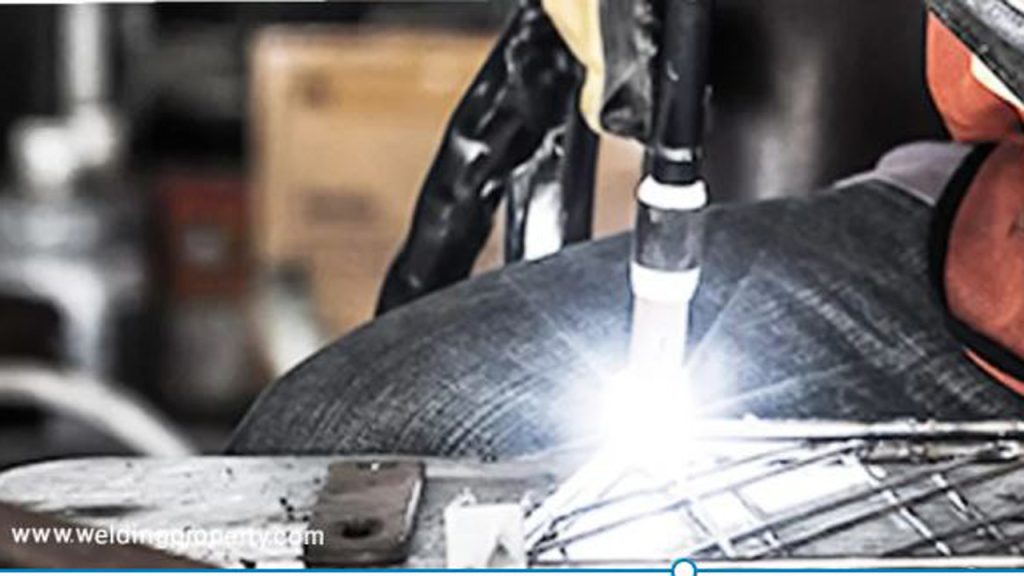
Image by red-d-arc
Let me walk you through when it’s possible, when it’s not, and why using or skipping the filler rod makes a difference in your weld quality.
About TIG Welding
Before diving into whether or not you can skip the filler rod, let’s start with a quick overview of TIG welding. TIG welding uses a non-consumable tungsten electrode to produce the weld. This process requires a shielding gas, typically argon, to protect the weld from atmospheric contamination.
When welding aluminum, the use of alternating current (AC) is often preferred to break up the oxide layer on the surface and allow for better weld penetration.
Typically, a filler rod is added to create a stronger weld, particularly when joining two pieces of metal together. The filler rod acts as the bonding material, filling the gap and fusing the two metals. But does it always need to be used?
What Does Welding without a Filler Rod Mean?
When you weld aluminum without a filler rod, you’re essentially performing a process called “autogenous welding.” This technique involves fusing the base materials together without any additional filler metal.
In other words, you’re using just the aluminum pieces themselves to create the weld. The heat from the TIG torch melts the base metal, and the two pieces fuse together as they cool.
When Can You TIG Weld Aluminum without a Filler Rod?
While it is possible to TIG weld aluminum without a filler rod, it’s important to understand that this technique is not suitable for all situations. Here are the most common scenarios where it could work:
Welding Thin Aluminum Sheets
If you’re working with thin aluminum sheets (generally less than 1/8 inch thick), you may not need to use a filler rod. In these cases, the pieces can be fused together simply by melting the base material.
When the metal is thin, using a filler rod can actually be more challenging, as it may cause the aluminum to warp or result in an uneven weld.
Creating a Seamless Appearance
When aesthetics matter and you’re looking for a clean, seamless look, welding without a filler rod can be helpful. Since you’re not adding extra material, the result can look more polished and consistent. This is often preferred in projects where the weld will be highly visible, such as decorative aluminum pieces.
Repairing Small Cracks or Minor Flaws
For small repair jobs, like filling in hairline cracks or fixing small defects, welding without a filler rod can be a quick and easy solution. This method allows you to make a repair without having to match a filler rod material to the base metal, which can sometimes be difficult.
When Should You Not TIG Weld Aluminum without a Filler Rod?
While autogenous welding has its benefits, it’s not always the best choice. There are plenty of situations where using a filler rod is the better option, or even necessary:
Welding Thicker Aluminum
When welding thicker aluminum pieces (more than 1/8 inch), using a filler rod becomes essential. The added filler material helps bridge the gap between the two pieces and provides additional support, ensuring the weld is strong enough to handle the stress and strain it might be subjected to.
High-Stress Applications
If the welded joint will be subjected to high stress or heavy loads, a filler rod should always be used. Without it, the weld may not have the strength to hold up under pressure. The filler rod helps reinforce the weld and adds durability, which is crucial in structural applications.
Joint Gaps or Poor Fit-Up
When there’s a gap between the two pieces you’re welding, a filler rod is necessary to fill that space. Autogenous welding works best when the two pieces are perfectly aligned with no gaps. If the fit-up isn’t precise, skipping the filler rod could lead to weak welds, or even incomplete fusion.
Welding Dissimilar Alloys
If you are trying to weld two different types of aluminum alloys, it’s usually recommended to use a filler rod to match the characteristics of the base metals and ensure a compatible weld.
Pros and Cons of Welding Aluminum without a Filler Rod
Now that we’ve covered the scenarios, let’s look at some of the advantages and disadvantages of welding aluminum without a filler rod.
Advantages
- Cleaner Appearance: Since no extra material is added, the weld can look smoother and more seamless.
- Lower Cost: Eliminating the need for a filler rod can save money, especially on small projects.
- Suitable for Thin Materials: Thin aluminum can be tricky to weld with a filler rod, making autogenous welding a practical choice.
- Faster Process: Without having to feed filler material into the weld pool, the process can be quicker for minor repairs or simple fusions.
Disadvantages
- Limited to Specific Situations: Autogenous welding isn’t suitable for thicker materials or high-stress joints.
- Less Structural Strength: Welds without filler material are generally weaker than those with filler rods.
- Requires Precise Fit-Up: The materials being welded need to be perfectly aligned, or the quality of the weld may be compromised.
- Not Ideal for Dissimilar Metals: It doesn’t work well if you’re joining different types of aluminum alloys.
TIG Welding with vs without Filler Rod
| Aspect | TIG Welding with Filler Rod | TIG Welding without Filler Rod |
|---|---|---|
| Strength of Weld | Stronger, can withstand more stress | Weaker, suitable for low-stress applications |
| Suitable Material Thickness | Thicker materials (greater than 1/8 inch) | Thin materials (less than 1/8 inch) |
| Appearance | May need more finishing for a smooth look | Generally smoother and seamless |
| Cost | Higher due to the cost of filler rods | Lower, as no additional material is needed |
| Use in Structural Applications | Recommended for structural welds | Not recommended for structural welds |
| Fit-Up Requirements | Can handle less precise fit-up | Requires precise fit-up for a quality weld |
Techniques for TIG Welding Aluminum without a Filler Rod
If you decide to try TIG welding aluminum without a filler rod, here are some tips that can help you achieve the best results:
Ensure a Clean Surface
Aluminum is prone to oxidation, so cleaning the surface thoroughly before welding is essential. Use a stainless steel brush or a chemical cleaner designed for aluminum to remove any oxides or contaminants.
Use Proper Settings on Your TIG Machine
For aluminum, AC (alternating current) is typically used, and setting your machine with a balance of cleaning action and penetration is key. Start with a frequency of about 100 Hz and adjust as needed.
Maintain a Tight Arc Length
Keeping a short arc length helps you maintain control over the heat and ensures that the material heats up evenly. Too long of an arc can lead to overheating and a poor-quality weld.
Preheat the Material (If Necessary)
For thicker sections of aluminum, a slight preheat can help get the weld pool started. Aim for around 300°F to 400°F but avoid going too hot, as this can lead to warping or material weakness.
Focus on Good Fit-Up
Make sure the two pieces are aligned perfectly with no gaps. Since you’re not using a filler rod, any gaps in the joint will compromise the weld quality.
Is TIG Welding Aluminum without a Filler Rod Right for You?
So, should you do it? If you’re dealing with thin aluminum, want a clean weld appearance, or are just making a minor repair, it’s worth giving a shot. But if strength is a priority, or if you’re working with thicker materials, it’s best to go with a filler rod for added durability.
Conclusion
Welding aluminum without a filler rod is definitely possible, but it’s not always practical or ideal. The success of this technique largely depends on the specific application, the thickness of the material, and the demands of the finished weld.
For low-stress applications or cosmetic welds on thin aluminum, skipping the filler rod can be a good approach. But when it comes to structural integrity or thicker materials, a filler rod is a must.
When to use a filler rod and when you can skip it comes down to understanding the properties of aluminum and the requirements of your project.
It’s always better to practice different welding techniques on scrap metal before attempting the final weld, so you can see how aluminum behaves with and without the addition of filler material.