
Welding 1/8 inch steel can be a bit tricky, especially if you’re new to welding thinner materials. This thickness is often used in projects like metal furniture, automotive repairs, and home improvement tasks, so getting the weld right is essential for both appearance and durability. I will share everything you need to know, from choosing the best welding technique to setting the correct parameters, to help you achieve a clean, strong weld.
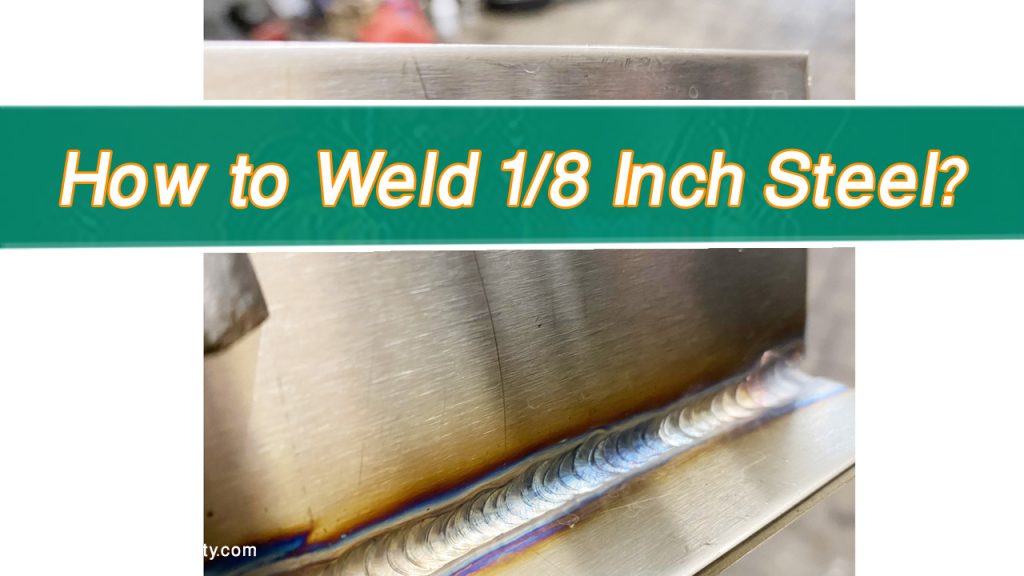
Image by reddit
Choosing the Right Welding Method for 1/8 Inch Steel
When it comes to welding 1/8 inch steel, three main methods work well: MIG (Metal Inert Gas) welding, TIG (Tungsten Inert Gas) welding, and stick welding. Each method has its pros and cons, so let’s go over them to find out which might be best for your project.
How to Mig Weld 1/8 Inch Steel
MIG welding is one of the easiest welding methods for beginners, making it an excellent choice for 1/8 inch steel. It’s quick and efficient, producing smooth welds with minimal cleanup.
- Advantages: Easy to learn, fast, produces clean welds
- Disadvantages: Requires shielding gas, not as precise as TIG welding
- Best for: Large or repetitive projects
How to Tig Weld 1/8 Inch Steel
TIG welding offers more precision, which is ideal for thin metals. This technique produces beautiful, clean welds without much splatter. It does require more skill and patience.
- Advantages: Precision, high-quality welds, minimal splatter
- Disadvantages: Slower, more difficult to learn
- Best for: Decorative projects, detailed work
How to Stick Weld 1/8 Inch Steel
Stick welding can be used for 1/8 inch steel, although it’s generally better suited for thicker metals. However, if you don’t have access to MIG or TIG equipment, stick welding can still get the job done.
- Advantages: No gas required, portable
- Disadvantages: More splatter, requires more cleanup
- Best for: Outdoor projects or when other equipment isn’t available
| Welding Method | Best For | Pros | Cons |
|---|---|---|---|
| MIG | Large/repetitive projects | Easy to learn, minimal cleanup | Requires shielding gas |
| TIG | Detailed/decorative projects | High-quality, precise, minimal splatter | Requires skill, slower |
| Stick | Outdoor/general work | Portable, no shielding gas required | More splatter, more cleanup needed |
Preparing 1/8 Inch Steel for Welding
Preparation is key to any successful weld, especially when working with thinner metals like 1/8 inch steel. Here are some essential steps:
Clean the Steel
Dirt, oil, and rust can affect your weld quality, so start by cleaning the steel surface. A simple wipe-down with a degreaser or acetone, followed by a light scrub with a wire brush, usually does the trick.
Set Up the Workspace
Ensure you have a well-ventilated area to weld in, as fumes can be hazardous. Also, make sure there’s enough space to move around comfortably, and that you have all your safety gear ready.
Clamp the Steel
Clamping your steel ensures it stays in place while you work. Even the slightest movement can cause issues with thin materials, so use clamps or a vice to hold your steel securely.
Choosing the Right Welding Settings
Getting the right settings for your welder is crucial when working with thin steel, as too much heat can burn through the material.
Voltage and Amperage
The ideal settings for 1/8 inch steel are generally lower than what you’d use for thicker materials. For MIG welding, set your voltage between 16-18 volts and amperage around 90-110 amps.
For TIG, adjust your settings according to your welder’s instructions, but aim for a similar amperage range.
Wire Speed and Electrode Selection
If you’re using MIG welding, the wire speed should be set relatively low to control the heat and prevent burn-through. A 0.030-inch wire size works well for 1/8 inch steel. For TIG welding, a 1/16-inch tungsten electrode is ideal, and you’ll want a filler rod that matches the steel type.
Techniques for Welding 1/8 Inch Steel
Welding thin steel requires steady hands and careful control to avoid burning through the material or creating weak spots. Here are some techniques that can help:
Tack Welding
For thin steel, tack welding is essential to keep everything in place before running a full bead. Place small tack welds at each corner of your steel to hold it steady. This reduces the risk of warping and allows you to focus on creating a solid weld.
Stitch Welding
Stitch welding is a technique where you create short, spaced-out welds instead of one continuous bead. This approach helps avoid overheating the steel, reducing the risk of warping or burn-through. Weld a short segment, let it cool, and then move on to the next section.
Backing Bar
A backing bar is a piece of copper or another heat-resistant material placed behind your weld. It absorbs excess heat, making it easier to control the temperature and reducing the chances of burn-through.
Moving the Torch Steadily
When welding 1/8 inch steel, keep your torch or electrode at a steady angle. Moving too quickly or too slowly can lead to an uneven weld, so practice maintaining a smooth, even motion.
Safety Tips for Welding 1/8 Inch Steel
Safety is always essential in welding, especially when dealing with thinner materials that heat up quickly.
Wear Proper Gear
Welding produces harmful UV rays, sparks, and fumes. Be sure to wear a welding helmet, gloves, and a welding jacket. Ventilation is also crucial, so if you’re indoors, consider using a fume extractor.
Avoid Overheating
1/8 inch steel can overheat fast, leading to warping or burn-through. Use techniques like stitch welding and tack welding to control the heat and allow time for cooling between welds.
Watch for Spatter
Thin steel can produce more spatter, especially if you’re using stick welding. A welding apron or fire-resistant clothing will help protect you from any flying bits of molten metal.
FAQs
What’s the best method for welding 1/8 inch steel?
MIG welding is often the best choice for beginners due to its ease and clean results. TIG welding is also great for more precision, while stick welding can work if no other option is available.
How do I avoid burning through 1/8 inch steel?
Using lower voltage and amperage settings, stitch welding, and adding a backing bar are all ways to avoid burn-through.
Do I need a special filler for 1/8 inch steel?
Use a filler rod or wire that matches your steel type. For MIG, 0.030-inch wire works well, and for TIG, a 1/16-inch tungsten electrode is ideal.
Is it necessary to use shielding gas for MIG welding on thin steel?
Yes, shielding gas helps produce clean, strong welds. CO2 or a 75% Argon/25% CO2 mix works well for MIG welding thin steel.
Conclusion
Welding 1/8 inch steel can be a rewarding skill to develop, especially if you’re working on small projects or repairs. With the right tools, settings, and techniques, you can create a strong, clean weld that holds up well. Remember to take it slow, avoid overheating, and prioritize safety. Once you’ve practiced a few times, you’ll find welding thin steel is much more approachable than it may seem.


