Back when I first started welding, I remember standing in the shop with a spool gun in one hand and a TIG torch in the other, wondering which process was the “right” one for the job. MIG vs TIG welding can seem confusing at first—both lay down a bead, both use shielding gas, but the way they handle filler rods, arc control, and different metal thicknesses is a whole different ballgame.
I’ve burned wire on heavy steel frames and spent hours doing fine TIG work on thin stainless, and I can tell you: the process you choose makes all the difference in weld quality, joint prep, and even how much time you spend grinding. Whether you’re after speed, precision, or the perfect stacked-dime finish, knowing the real differences between MIG welding and TIG welding is key. Let’s break it down so you can choose the right method and get the job done right the first time.
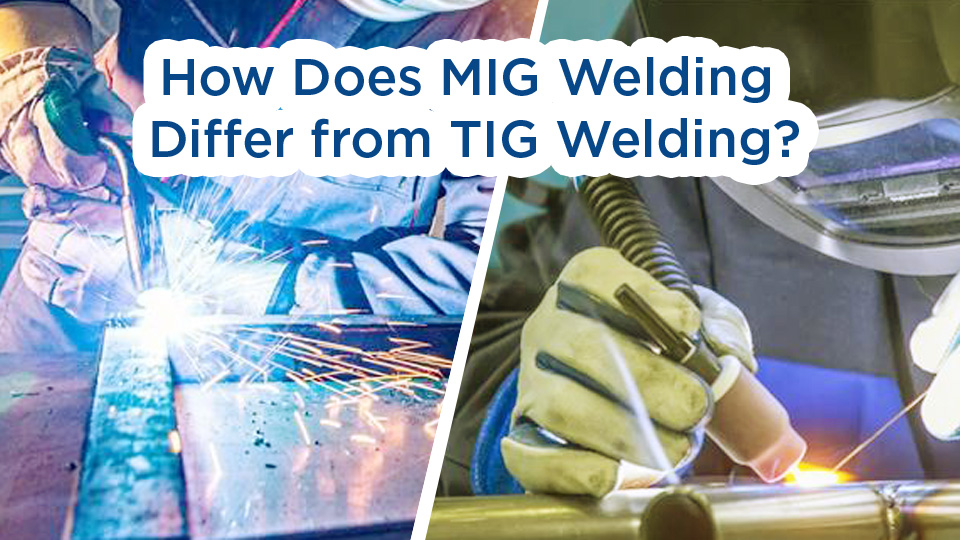
Photo by mechdaily
Why Choosing the Right Welding Process Matters
Welding isn’t just about joining metal—it’s about creating strong, safe, and reliable bonds. A bad weld can lead to cracks, leaks, or even catastrophic failures, whether you’re building a trailer or a pipeline. I’ve seen a rookie MIG weld a structural joint too fast, only to have it fail under load.
MIG and TIG each have strengths that make them suited for specific jobs, materials, and skill levels. Understanding their differences helps you match the process to your project, ensuring weld integrity, material compatibility, and cost efficiency. Plus, it saves you from rework and keeps your work looking pro.
What Is MIG Welding?
MIG welding, also called Gas Metal Arc Welding (GMAW), is the go-to for speed and ease. It uses a continuously fed wire electrode that melts into the weld pool, protected by a shielding gas like argon or CO2 to keep the weld clean from air contamination.
How MIG Welding Works
You’re in your garage, welding a mild steel frame. You pull the trigger on your MIG gun, and a wire electrode feeds through, creating an arc that melts the wire and base metal. The shielding gas flows out, forming a protective bubble around the weld pool. It’s fast, and the wire feed means you don’t stop to change rods.
I’ve used MIG on everything from car repairs to heavy equipment, and it’s a lifesaver when you need to lay down long beads quickly.
When to Use MIG
MIG is perfect for beginners, DIYers, and pros who need to weld thick steel or crank out production work. It’s great for structural steel, automotive repairs, or fabrication jobs like building trailers or gates. If you’re working with mild steel, stainless, or aluminum (with the right setup), MIG gets the job done fast. It’s less ideal for thin materials or precision work, where TIG shines.
Practical Tips for MIG
Wire Selection: For mild steel, use ER70S-6 wire—it’s versatile and forgiving. For aluminum, go with ER4043 or ER5356, depending on your alloy. I once used the wrong wire on an aluminum job and got a brittle weld—check your material first.
Machine Settings: Start with voltage and wire speed matched to your material thickness. For 1/8-inch steel, try 18-20 volts and 200-250 inches per minute (IPM) wire speed. Tweak from there based on bead appearance.
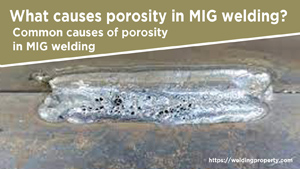
Common Mistake: Setting the gas flow too low. Aim for 20-25 cubic feet per hour (CFH) for most jobs. Too little gas causes porosity, which I’ve seen ruin a perfectly good weld.
Safety: Wear a welding helmet (auto-darkening, shade 10-12), gloves, and a flame-resistant jacket. MIG’s bright arc and spatter don’t mess around.
Pros and Cons of MIG
| Pros | Cons |
|---|---|
| Fast and easy to learn | Less precise for thin materials |
| Great for thick steel | Requires shielding gas (or flux-core) |
| High productivity | More spatter than TIG |
| Works on various metals | Equipment can be bulky |
What Is TIG Welding?
TIG welding, or Gas Tungsten Arc Welding (GTAW), is the artist’s choice for precision and beauty. It uses a non-consumable tungsten electrode to create an arc, and you manually add filler rod while shielding the weld with inert gas like argon.
How TIG Welding Works
Imagine you’re welding a stainless steel exhaust pipe. You hold a TIG torch with a tungsten electrode, strike an arc, and control the heat with a foot pedal or torch switch. You dip a filler rod into the weld pool to build the joint, while argon gas shields it from contamination. It’s a two-handed dance that takes practice but produces clean, strong welds. I’ve spent hours TIG welding aluminum bike frames, and the results are worth the effort.
When to Use TIG
TIG is your pick for thin materials, exotic metals, or projects where appearance matters—like stainless steel food equipment or custom aluminum work. It’s common in aerospace, automotive, and artistic fabrication. If you’re a student or hobbyist aiming for pro-level welds, TIG is the way to go, but it demands skill and patience.
Practical Tips for TIG
Electrode Choice: Use a 2% thoriated or lanthanated tungsten (1/16-inch for thin metals, 3/32-inch for thicker). Grind it to a point for steel, ball it for aluminum. I once used a dull tungsten and got a wandering arc—sharpen it right.
Machine Settings: For 1/16-inch stainless, try 60-80 amps with AC for aluminum or DCEN for steel. Adjust your foot pedal for fine control. Practice on scrap to nail the heat.
Common Mistake: Contaminating the tungsten by touching it to the weld pool. Keep your distance and steady your hand. I’ve dipped my tungsten too many times—regrind and keep going.
Safety: Same as MIG—helmet, gloves, and jacket. TIG’s arc is intense, so don’t skimp on eye protection.
Pros and Cons of TIG
| Pros | Cons |
|---|---|
| Precise and clean welds | Slow and skill-intensive |
| Ideal for thin materials | More expensive equipment |
| Works on exotic metals | Requires steady hands |
| Minimal spatter | Lower productivity |
Key Differences Between MIG and TIG Welding
Let’s put MIG and TIG head-to-head to see how they differ for your projects. Whether you’re welding a fence or a racecar roll cage, these differences will guide your choice.
Process and Technique
MIG is like driving an automatic car—fast and forgiving. The wire feeds automatically, so you focus on guiding the gun. TIG is manual transmission, requiring you to control the arc, filler rod, and heat with precision. I’ve taught new welders MIG in a day, but TIG took weeks to master.
Speed and Productivity
MIG is the king of speed. You can lay down long, continuous beads without stopping, making it ideal for production or thick materials. TIG is slower—you’re manually adding filler and controlling heat. On a big structural job, I’d pick MIG to keep up with deadlines, but for a custom stainless piece, TIG’s worth the time.
Material Compatibility
Both processes handle mild steel, stainless, and aluminum, but TIG excels with exotic metals like titanium or magnesium. MIG works better for thicker materials (1/8-inch and up), while TIG is the go-to for thin sheets (down to 0.020-inch). I’ve MIG welded 1/2-inch steel plates no problem, but TIG saved me on a 0.040-inch aluminum panel.
Weld Appearance
TIG welds are the showstoppers—clean, stacked dimes that look like art. MIG welds are functional but often messier, with spatter to clean up. For a customer-facing project like a stainless railing, I’d use TIG for that polished look.
Ease of Learning
MIG is beginner-friendly. You can get decent welds with minimal practice. TIG requires patience, steady hands, and coordination. I remember my first TIG welds looking like a toddler’s scribbles—stick with it, and you’ll get there.
Equipment and Cost
MIG welders are affordable (starting at $500 for a decent hobbyist machine) and versatile. TIG welders cost more ($1,000 and up) and often need extras like a foot pedal or water cooler for high-amperage work. MIG’s shielding gas (or flux-core wire) is cheaper than TIG’s pure argon. For DIYers, MIG is easier on the wallet.
Comparison Table: MIG vs TIG
| Feature | MIG | TIG |
|---|---|---|
| Speed | Fast | Slow |
| Precision | Moderate | High |
| Materials | Steel, stainless, aluminum | Steel, stainless, aluminum, titanium, etc. |
| Weld Appearance | Functional, some spatter | Clean, aesthetic |
| Skill Level | Beginner-friendly | Advanced |
| Cost | Lower | Higher |
Choosing Between MIG and TIG for Your Project
Picking the right process depends on your project, skill level, and budget. Here are some real-world scenarios I’ve faced to help you decide.
Scenario 1: DIY Trailer Repair
You’re fixing a rusted trailer frame with 1/4-inch mild steel. MIG is your best bet—its speed and ease make quick work of butt welds or patches. Use ER70S-6 wire, 20 volts, and 300 IPM. Clean the rust off first, or you’ll get porosity. I’ve patched trailers with MIG in an afternoon, no sweat.
Scenario 2: Custom Stainless Steel Sculpture
You’re a hobbyist building a stainless steel art piece. TIG is the way to go for clean, precise welds that don’t need grinding. Use 1/16-inch 2% lanthanated tungsten, 60 amps DCEN, and 316L filler rod. Practice on scrap to get those perfect dime-stack beads. I once TIG welded a stainless sculpture, and the client raved about the finish.
Scenario 3: Professional Pipeline Work
You’re welding a high-pressure stainless pipeline under ASME code. TIG is often required for the root pass to ensure a clean, strong weld, followed by MIG for filler passes to save time. Use 308L filler for stainless and pure argon. I’ve seen this combo on pipeline jobs—it’s efficient and meets strict codes.
Factors to Consider
- Material Thickness: MIG for thick (1/8-inch+), TIG for thin (under 1/8-inch).
- Project Type: MIG for structural or production, TIG for precision or aesthetic.
- Skill Level: Start with MIG if you’re new; tackle TIG with practice.
- Budget: MIG’s cheaper upfront; TIG’s worth it for specialized work.
- Code Requirements: Check AWS D1.1, ASME, or API specs—some mandate TIG for critical welds.
Practical Know-How for Welders
Here’s the hands-on stuff I’ve learned from years of welding MIG and TIG. These tips will save you headaches and make your welds shine.
Joint Prep for MIG and TIG
MIG: Clean the metal with a wire brush or grinder to remove rust, paint, or oil. Bevel edges on thick plates (over 1/4-inch) for better penetration. I’ve skipped beveling before and got incomplete fusion—don’t make that mistake.
TIG: Degrease thoroughly with acetone or alcohol, especially for aluminum or stainless. Use a stainless brush for aluminum to avoid contamination. I once got a porous TIG weld from a dirty surface—cleanliness is everything.
Machine Settings
MIG: For 1/4-inch steel, try 22 volts and 350 IPM wire speed with 25 CFH argon/CO2 mix. Adjust voltage for a steady “bacon sizzle” sound. Too hot, and you’ll burn through; too cold, and you’ll get a ropy bead.
TIG: For 1/16-inch aluminum, use 80 amps AC, 1/16-inch ceriated tungsten, and 15 CFH pure argon. Balance the AC wave toward cleaning for dirty aluminum. Practice heat control with the pedal to avoid overheating.
Common Mistakes and Fixes
MIG Mistake: Incorrect wire speed. Too fast causes spatter; too slow gives a weak weld. Fix: Dial in settings on a test piece first.
TIG Mistake: Dirty tungsten or filler. Contamination ruins welds. Fix: Keep your filler rod capped and tungsten clean—store them properly.
Both: Poor gas coverage. Check for leaks in your gas line and ensure proper flow. I’ve had welds fail inspection because of a loose regulator—check your setup.
Safety Musts
Ventilation: MIG and TIG produce fumes, especially on galvanized or coated metals. Use a fume extractor or weld outdoors. I’ve gotten lightheaded from fumes in a tight shop—don’t risk it.
PPE: Helmet (shade 10-12), gloves, long sleeves, and closed-toe boots. TIG’s arc is brighter, so double-check your lens shade.
Fire Safety: Keep a fire extinguisher nearby. MIG spatter can ignite rags or oil. I’ve put out small fires from careless spatter—stay vigilant.
Industry Standards and Applications
In the USA, MIG and TIG welds must often meet codes like AWS D1.1 for structural steel or ASME Section IX for pressure vessels. MIG is common for structural fabrication, while TIG is preferred for root passes in critical applications like pipelines or aerospace.
Always check your project specs for filler metal and process requirements. I’ve had to redo MIG welds that didn’t meet code because we rushed the filler choice—slow down and verify.
Combining MIG and TIG for Best Results
Sometimes, you don’t choose—you combine. On high-stakes jobs, I’ve used TIG for the root pass to ensure penetration and cleanliness, then switched to MIG for filler passes to save time. This hybrid approach is common in pipe welding or heavy fabrication. For example, on a stainless pipe job, I’d TIG the root with 308L filler, then MIG the cap with the same filler for speed. It’s a pro move that balances quality and efficiency.
Conclusion
Now you know how MIG welding differs from TIG welding—and you’re ready to pick the right process for your next project. MIG’s speed and ease make it great for thick steel and production work, while TIG’s precision is perfect for thin materials, exotic metals, or showpiece welds. By matching your process to the material, project, and skill level, you’ll produce strong, safe welds that stand up to scrutiny.
Practice on scrap metal before any critical weld—it’s the best way to dial in your settings and avoid costly mistakes. Grab your torch, set up your machine, and weld with confidence!
FAQ
Which is easier to learn, MIG or TIG welding?
MIG is easier to learn. Its automatic wire feed lets you focus on guiding the gun, and you can get decent welds in a few hours of practice. TIG requires coordinating the torch, filler rod, and heat control, which can take weeks to master.
Can I use MIG and TIG on the same materials?
Yes, both work on mild steel, stainless, and aluminum. MIG is better for thicker materials (1/8-inch and up), while TIG excels on thin sheets or exotic metals like titanium. Match your filler and settings to the material for best results.
Is MIG or TIG better for aluminum welding?
TIG is better for aluminum, especially thin sheets, because it offers precise heat control and clean welds. Use AC mode and pure argon. MIG works for thicker aluminum but needs a spool gun and can be messier.
How do I avoid porosity in MIG and TIG welds?
Clean the metal thoroughly—remove rust, oil, or paint. For MIG, ensure 20-25 CFH gas flow and check for line leaks. For TIG, use pure argon and keep your tungsten and filler clean. Proper prep prevents most porosity issues.
What’s the cost difference between MIG and TIG welders?
MIG welders start at $500 for hobbyist models, while TIG welders cost $1,000 and up due to features like foot pedals or AC/DC capability. MIG’s shielding gas (argon/CO2) is cheaper than TIG’s pure argon, but both are affordable for DIYers with the right setup.