I’ve spent countless hours in the shop, hunched over a workbench, sparks flying, turning raw metal into something functional. One question I get a lot from both new welders and seasoned pros is, “How do I convert my gas MIG welder to gasless?” It’s a practical concern—especially if you’re working outdoors, on a budget, or just want the flexibility to switch between processes.
Converting a gas MIG welder to gasless flux-cored arc welding (FCAW-S) isn’t rocket science, but it does require some know-how to get it right. Whether you’re a DIY welder fixing a trailer, a hobbyist building custom furniture, or a pro tackling heavy repairs, this guide will walk you through the process with real-world tips from my own experience.

Image by millerwelds
Why does this matter? Gasless MIG welding, or self-shielded flux-cored welding, offers portability, wind resistance, and cost savings by eliminating the need for a gas cylinder. It’s a game-changer for outdoor projects or tight budgets, but it comes with trade-offs like spatter and slag cleanup.
Getting the conversion right ensures strong welds, saves you from costly mistakes, and keeps you safe from hazards like fumes or improper polarity. Let’s dive into the nuts and bolts of making this switch, with practical steps and insights to help you weld like a pro.
What Is Gasless MIG Welding?
Gasless MIG welding, technically called Self-Shielded Flux-Cored Arc Welding (FCAW-S), uses a special flux-cored wire that creates its own shielding gas when heated. Unlike traditional MIG welding, which relies on an external gas cylinder (typically argon or CO2 mixes) to protect the weld pool from atmospheric contamination, gasless welding simplifies the setup.
The flux inside the wire burns and vaporizes, forming a protective shield around the molten weld pool. This makes it ideal for outdoor work where wind might blow away shielding gas or for welders who want to avoid the hassle and cost of gas bottles.
I remember my first time using gasless wire on a farm repair job. The wind was kicking up, and I didn’t have to worry about my shielding gas getting scattered. It was a relief, but I learned quickly that the flux creates more spatter and slag than gas MIG, so cleanup took longer.
It’s a trade-off, but for certain jobs, it’s worth it. You’ll want to use this process for projects like repairing heavy equipment, building outdoor structures, or working in tight spaces where dragging a gas cylinder isn’t practical.
Why Convert Your Gas MIG Welder to Gasless?
Converting to gasless welding makes sense in specific scenarios. First, it’s portable. No gas cylinder means less weight and fewer things to haul to a job site. Second, it’s wind-resistant. Traditional MIG welding struggles outdoors because even a slight breeze can disrupt the shielding gas, leading to porous or weak welds. Gasless welding sidesteps this issue. Third, it’s cost-effective for occasional welders. Flux-cored wire is pricier than solid wire, but you save on gas, regulators, and refills over time.
From a safety standpoint, gasless welding reduces the risk of handling high-pressure gas cylinders, which can be a hazard if mishandled. However, it produces more fumes, so ventilation is critical—I learned this the hard way when I welded in a cramped shed without proper airflow and ended up with a headache from the fumes. For DIYers, students, or pros working on mild steel projects, gasless welding is forgiving and versatile, especially for thicker materials or slightly dirty surfaces.
Tools and Materials Needed for Conversion
Before you start, gather the right tools and materials. Most modern MIG welders are designed to handle both gas and gasless setups, but you’ll need to make some adjustments. Here’s what you’ll need:
MIG Welder Compatible with Flux-Cored Wire: Check your machine’s manual to confirm it supports FCAW-S. Most entry-level and mid-range welders, like the Lincoln Electric MIG 180 or Miller 211, are compatible.
Flux-Cored Wire: Common types include E71T-11 or E71T-GS, typically in 0.030” or 0.035” diameters for mild steel. I prefer E71T-11 for general-purpose work—it’s reliable and widely available.
Knurled Drive Rollers: Gasless wire is softer than solid wire, so you’ll need serrated rollers to grip it properly without crushing it.
Polarity Change Kit (if needed): Some welders require a polarity reversal for gasless welding.
Safety Gear: Welding helmet with a proper shade (10-13), gloves, long-sleeve flame-resistant jacket, and a respirator for fume protection.
Wire Brush and Grinder: For cleaning the workpiece, which is critical for strong welds.
Anti-Spatter Spray or Gel: To reduce cleanup time from the extra spatter gasless welding produces.
Pro tip: Always double-check your welder’s specs. I once tried running gasless wire on an old machine that didn’t have the right drive rollers, and the wire kept slipping, causing a mess. Save yourself the frustration and verify compatibility first.
Step-by-Step Guide to Convert Your Gas MIG Welder to Gasless
Converting your welder is straightforward if you follow these steps. I’ll break it down like I’m showing you in my shop, with tips to avoid common pitfalls.
Step 1: Verify Welder Compatibility
Not all MIG welders can switch to gasless mode. Check your machine’s manual or spec sheet to confirm it supports flux-cored wire. Look for terms like “FCAW-S” or “self-shielded.” Most modern welders, like the Hobart Handler 140 or Yeswelder 205, are dual-purpose and can handle both gas and gasless setups. If your machine only supports gas MIG, you may need to upgrade or stick with solid wire.
Mistake to Avoid: Don’t assume your welder can handle gasless wire without checking. I’ve seen folks burn out older machines trying to force flux-cored wire through incompatible systems.
Step 2: Switch to Flux-Cored Wire
Swap out your solid MIG wire for flux-cored wire. For mild steel, E71T-11 or E71T-GS in 0.030” or 0.035” works well for most DIY and pro projects. Load the wire spool into your welder, ensuring it feeds smoothly through the wire feeder. Adjust the tension on the spool to prevent bird-nesting (tangled wire). I usually set the tension just tight enough to keep the wire moving without slipping.
Tip: Practice feeding the wire on scrap metal first. If the wire stutters or jams, check the tension or look for obstructions in the liner.
Step 3: Change the Drive Rollers
Flux-cored wire requires knurled drive rollers with serrated grooves to grip the softer wire. Most welders come with smooth rollers for solid wire, so you’ll need to swap them out. Consult your manual for the correct roller size (usually marked for 0.030” or 0.035” flux-cored wire). This step is critical—using smooth rollers with flux-cored wire will cause feeding issues and inconsistent welds.
Anecdote: Early in my career, I skipped this step, thinking it wouldn’t matter. The wire kept slipping, and my welds looked like a toddler’s scribbles. Don’t make my mistake—get the right rollers.
Step 4: Reverse the Polarity
Gas MIG welding uses DCEP (Direct Current Electrode Positive), where the torch is positive, and the ground clamp is negative. Gasless welding requires DCEN (Direct Current Electrode Negative), flipping the polarity so the torch is negative. Most welders have a polarity switch or terminals inside the machine. Check your manual for instructions on how to change it, usually by moving a cable or flipping a switch.
Mistake to Avoid: Forgetting to reverse polarity will cause an unstable arc, excessive spatter, and weak welds. I’ve done this in a rush and ended up with welds that cracked under light pressure. Always double-check.
Step 5: Adjust Machine Settings
Gasless welding requires different voltage and wire feed speed settings than gas MIG. Start with the manufacturer’s recommended settings for your wire type and material thickness. For example, with 0.035” E71T-11 wire on 1/8” mild steel, I typically set my welder to 18-20 volts and a wire feed speed of 250-300 inches per minute (IPM). Fine-tune from there based on your weld’s appearance—too hot, and you’ll burn through; too cold, and the weld won’t penetrate.
Tip: Keep a welding parameter chart handy (most manuals include one). Practice on scrap metal to dial in the settings before your main project.
Step 6: Prepare the Workpiece
Cleanliness is critical for gasless welding. Use a wire brush or grinder to remove rust, paint, oil, or dirt from the weld area. While gasless welding is more forgiving than gas MIG on slightly dirty surfaces, impurities still weaken the weld. I once rushed a job without cleaning the metal properly, and the weld had porosity—tiny air pockets that made it brittle. Take the extra five minutes to prep.
Pro Tip: Apply anti-spatter spray to the workpiece and nozzle to reduce cleanup time. It’s a lifesaver with flux-cored wire’s extra spatter.
Step 7: Test and Weld
Before tackling your project, run a test weld on scrap metal of the same thickness. Hold the torch at a 10-15 degree angle, dragging it (not pushing, like gas MIG) along the joint. Maintain a consistent travel speed—too fast, and the weld is weak; too slow, and you’ll get excessive buildup. Check for proper penetration and bead appearance. Once you’re confident, start your project.
Anecdote: My first gasless weld was a mess because I moved too fast, leaving a thin, weak bead. Slowing down and practicing my drag technique made all the difference.
Comparison: Gas MIG vs. Gasless MIG
To help you decide when to use gasless welding, here’s a quick comparison table based on my experience:
| Feature | Gas MIG | Gasless MIG (FCAW-S) |
|---|---|---|
| Shielding | External gas (argon/CO2 mix) | Self-shielding flux-cored wire |
| Portability | Less portable (requires gas cylinder) | Highly portable (no gas cylinder) |
| Wind Resistance | Poor (gas can blow away) | Excellent (flux creates own shield) |
| Spatter | Minimal | Moderate to high |
| Cleanup | Minimal (no slag) | Requires slag removal |
| Cost | Higher (gas, regulator, refills) | Lower (no gas, but wire is pricier) |
| Best For | Indoor, clean metal, thin materials | Outdoor, thicker materials, dirty surfaces |
When to Choose Gasless: Use it for outdoor repairs, farm equipment, or heavy steel projects where portability and wind resistance matter. Stick with gas MIG for precision work, thin sheet metal, or indoor fabrication where appearance is key.
Pros and Cons of Gasless MIG Welding
Pros
- Portability: No gas cylinder makes it easy to move, perfect for field work.
- Wind Resistance: Ideal for outdoor jobs where wind disrupts gas MIG.
- Cost Savings: No gas or regulator costs, though wire is more expensive.
- Forgiving: Can weld slightly dirty or rusty surfaces better than gas MIG.
- Versatility: Works well on thicker materials (1/8” and up) and mild steel.
Cons
- Spatter and Slag: More cleanup required due to flux residue and spatter.
- Fumes: Produces more fumes, requiring good ventilation or a respirator.
- Limited Materials: Best for mild steel; flux-cored wires for stainless or aluminum are rare.
- Learning Curve: Dragging the torch (instead of pushing) takes practice.
- Wire Cost: Flux-cored wire is pricier than solid wire, though gas savings offset this.
Safety Considerations for Gasless MIG Welding
Safety is non-negotiable in welding. Gasless welding produces more fumes than gas MIG, so proper ventilation is critical. Work in a well-ventilated area or use a local exhaust ventilation (LEV) system. I always wear a respirator when welding in confined spaces—fumes from flux-cored wire can cause respiratory issues over time. Wear a welding helmet with a shade 10-13 lens, flame-resistant clothing, and heavy gloves to protect against UV radiation, sparks, and hot metal.
Mistake to Avoid: Don’t skimp on ventilation. I once welded in a poorly ventilated garage and felt dizzy afterward. Now, I always set up a fan or open doors to keep air moving. Also, keep a fire extinguisher nearby—sparks from gasless welding can ignite flammable materials.
Practical Tips for Better Gasless Welds
Here are some shop-tested tips to improve your gasless welding results:
Dial in Your Settings: Start with the manufacturer’s recommended voltage and wire feed speed, then adjust based on the weld’s appearance. A steady buzz or sizzle means you’re in the sweet spot.
Use a Drag Technique: Unlike gas MIG’s push technique, drag the torch toward you at a 10-15 degree angle for better penetration and control.
Clean the Nozzle Often: Flux-cored wire creates more spatter, which can clog the nozzle. Use anti-spatter spray and clean the tip regularly with a wire brush.
Practice on Scrap: Test your settings and technique on scrap metal to avoid ruining your project. I keep a pile of scrap steel in my shop for this purpose.
Check Polarity Every Time: Always confirm DCEN polarity before starting. It’s easy to forget, especially if you switch between gas and gasless often.
Common Mistakes and How to Fix Them
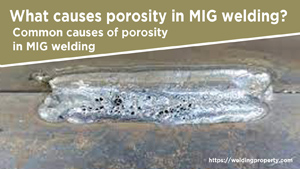
Porosity (Air Pockets): Caused by dirty metal or wind disrupting the flux shield. Clean the workpiece thoroughly and use wind guards if outdoors.
Excessive Spatter: Often due to incorrect voltage or wire feed speed. Lower the voltage slightly or increase wire feed speed for a smoother arc.
Weak Welds: Result from moving too fast or insufficient heat. Slow your travel speed and ensure proper penetration.
Wire Feeding Issues: Check for proper drive roller type and tension. Knurled rollers are a must for flux-cored wire.
Burn-Through: Common on thin materials. Lower the voltage and use a weaving motion for better control.
Real-World Applications for Gasless MIG Welding
Gasless welding shines in specific scenarios. For DIYers, it’s great for fixing lawnmowers, trailers, or garden gates—jobs where portability and forgiving welds matter. Hobbyists building custom furniture or sculptures love the flexibility of working outdoors without gas.
Professionals use it for field repairs on heavy equipment, construction sites, or farm machinery. Students learning welding can practice with gasless setups to master technique without the complexity of gas management.
I once helped a buddy repair a rusted tractor frame in a windy field. Gasless welding saved the day—no gas bottle to lug around, and the welds held strong despite the breeze. It’s not perfect for everything (thin sheet metal is tricky), but for rugged, outdoor jobs, it’s hard to beat.
FAQ
Can I use my existing MIG welder for gasless welding?
Most modern MIG welders can handle gasless welding with a few adjustments, like switching to flux-cored wire, changing to knurled drive rollers, and reversing polarity to DCEN. Check your welder’s manual to confirm compatibility with FCAW-S.
What’s the best flux-cored wire for gasless welding?
For mild steel, E71T-11 or E71T-GS in 0.030” or 0.035” diameters are reliable choices. E71T-11 is versatile for general-purpose welding, while E71T-GS is great for single-pass welds. Always match the wire to your material and project.
Is gasless MIG welding stronger than gas MIG?
When done correctly, gasless welds are just as strong as gas MIG welds for mild steel. The key is proper technique, clean metal, and correct settings. Gasless welds may have more spatter and slag, but strength is comparable with good prep.
Can I weld thin metal with gasless MIG?
It’s possible but challenging. Gasless welding is better suited for thicker materials (1/8” and up) due to its higher heat input. For thin metal, lower the voltage, use a weaving motion, and practice on scrap to avoid burn-through.
How do I reduce spatter with gasless MIG welding?
Use anti-spatter spray on the workpiece and nozzle, clean the metal thoroughly, and fine-tune your voltage and wire feed speed. A steady drag technique and proper polarity (DCEN) also help minimize spatter.
Conclusion
Converting your gas MIG welder to gasless is a practical upgrade for welders who value portability, wind resistance, and cost savings. By following the steps—verifying compatibility, swapping to flux-cored wire, changing drive rollers, reversing polarity, and adjusting settings—you’re set to tackle outdoor repairs or heavy-duty projects with confidence.
Gasless welding isn’t perfect; it’s messier and produces more fumes, but it’s a lifesaver for field work or budget-conscious welders. With the tips and techniques shared here, you’re ready to make strong, reliable welds without the hassle of gas cylinders.
Pro Tip: Always keep a small notebook in your shop to jot down your welder’s settings for different materials and wire types. It’s a quick way to nail consistent welds without guesswork. Grab your helmet, fire up that welder, and get to work!