Porosity is a common welding defect that can affect the quality and durability of welding projects. Welding porosity is the presence of small voids or pockets in the weld metal, caused by gas bubbles trapped during the solidification process.

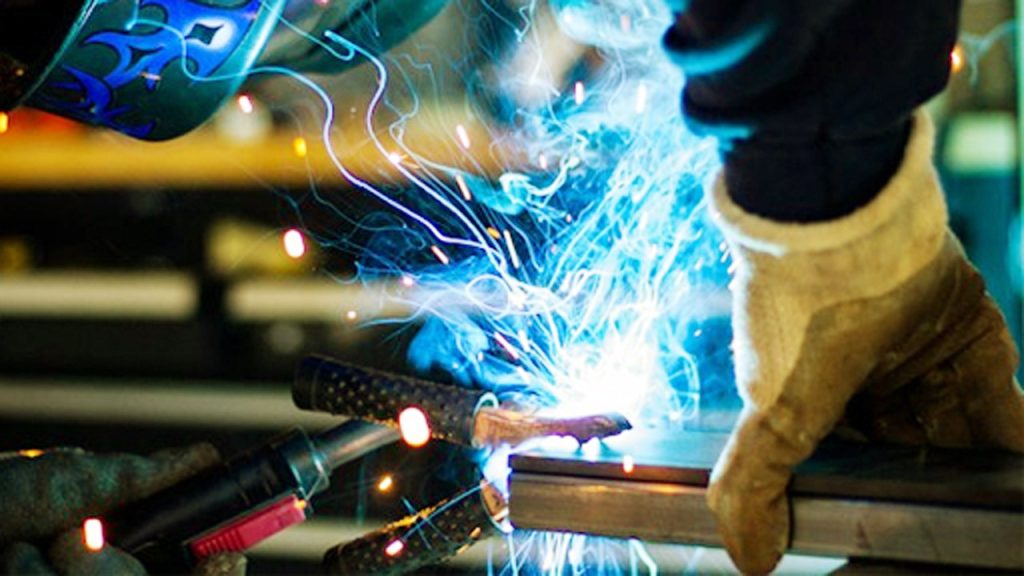
Image by weldinganswers
Understanding causes porosity in welding is essential to ensuring high-quality, reliable welds that meet industry standards. We will explore the common causes of welding porosity and effective strategies to prevent it.
We will also discuss the impact of welding gas porosity and welding electrode porosity, as well as proper welding techniques, shielding gases, and electrode selection for porosity control.
Let’s take a closer look at the factors contributing to porosity in welds and how to avoid them.
Factors Contributing to Porosity in Welding
Porosity in welding is a defect that arises due to several factors. Poor welding practices may lead to the formation of voids, which can compromise the integrity of the weld.
Understanding these factors can help mitigate the risk of porosity and improve the quality of welds. Here are some of the factors that contribute to porosity in welding:
| Factor | Effect on Porosity |
|---|---|
| Inadequate Shielding Gas Coverage | Insufficient shielding gas can lead to gas porosity. Gas porosity occurs when the gas mixtures are not properly transported to the weld pool, resulting in voids. |
| Improper Filler Metal Storage | Improper storage of filler metals can lead to moisture absorption, resulting in hydrogen porosity. Hydrogen porosity occurs when hydrogen gas is released in the weld pool. |
| Contamination | Contaminants such as rust, oil, dirt, and other impurities can also result in porosity. These impurities can be introduced during the welding process or before welding. |
| Incorrect Welding Parameters | Using incorrect welding parameters such as welding current, polarity or travel speed can lead to undercutting and poor fusion and may induce porosity in welds. |
By understanding the factors that lead to porosity, welders can take appropriate measures to minimize porosity and improve the overall quality of the welds.
Proper handling of shielding gases, appropriate filler metal storage, thorough cleaning before welding, and careful attention to welding parameters also contribute to successful porosity control.
Proper Welding Technique for Porosity Control
Porosity in welds can be minimized and controlled by using proper welding techniques. Maintaining the correct arc length, welding speed, and electrode angle is crucial in preventing the formation of porosity in welds. When welding, it is essential to maintain the correct arc length.
If the arc is too long, it can lead to excessive heat input, resulting in porosity. Conversely, if the arc is too short, it can cause a lack of penetration and insufficient fusion, leading to defects in the weld.
Welding speed also plays a vital role in porosity control. If the welder moves too quickly, it can cause insufficient burn-through, leading to porosity.
If the welder moves too slowly, it can result in excessive heat input, causing porosity due to gas porosity or droplets of molten filler material becoming trapped in the weld pool.
The electrode angle is another key factor in porosity control. Welders should ensure the electrode is angled correctly towards the base metal, as a wrong angle can lead to an excessive amount of gas being trapped within the weld pool, resulting in porosity.
Preheating and post-weld heat treatments are also effective tools in porosity control. Preheating the base metal before welding can reduce the cooling rate, leading to a lower amount of gas entrapment in the weld pool.
Post-weld heat treatments can reduce residual stresses and prevent the formation of porosity, ensuring the weld is strong and durable.
Preventing Welding Gas Porosity
Shielding gases are an essential component of the welding process, preventing porosity in welds by displacing atmospheric gases from the weld pool.
The most common gases used in welding are argon, helium, and carbon dioxide, with each having unique properties that make them suitable for specific applications.
| Gas Type | Application | Benefits |
|---|---|---|
| Argon | TIG Welding, Alloy Welding, and Titanium Welding | Provides excellent coverage and penetration, improves arc stability, and produces a clean, high-quality weld |
| Helium | TIG Welding and GMAW Welding | Offers high heat input and allows for faster travel speeds, making it suitable for welding thick materials |
| Carbon Dioxide | MIG Welding and GMAW Welding | Produces a more reactive arc, allowing for higher deposition rates and deeper penetration |
Proper handling and storage of shielding gases are essential for ensuring optimal performance. It is crucial to use the correct gas flow rate and flow direction to ensure adequate shielding coverage and prevent turbulence that can cause porosity.
Additionally, appropriate storage of shielding gas cylinders, including regular inspection for leaks and damage, is crucial for maintaining gas purity and preventing contamination.
By understanding and implementing proper handling and storage techniques for shielding gases, welders can help prevent welding gas porosity and achieve high-quality, reliable welds.
Managing Electrode Selection and Storage
Porosity in welding can often be caused due to incorrect electrode selection and improper storage practices. Therefore, selecting the appropriate electrode for the specific welding application is vital.
Which type of electrode to use is generally determined by the base metal you are working with, the welding position, and the joint configuration.
For instance, the E7018 electrode is typically used for welding carbon steel, but for stainless steel, you might use an E308 welding rod.
Another factor to consider when selecting an electrode is the diameter of the electrode, which is typically in the range of 1/16 inch to 5/32 inch.
The thickness of the material being welded is a significant factor to consider. The diameter chosen will directly affect the deposition rate (pounds of weld metal deposited per hour) and the amperage required for the welding current.
Proper storage of electrodes is also crucial to avoid porosity due to moisture absorption. Electrodes should be stored in a humidity-controlled environment between 250°F to 300°F. Damp or moist electrodes often cause porosity since the hydrogen absorbed from the atmosphere is released during the welding process.
This can cause bubbles in the weld that weaken it. Proper storage helps ensure the electrodes are dry and at the right temperature for use, minimizing the risk of porosity.
To summarize, selecting the right electrode for the job, based on the base metal, diameter, and other welding factors, is vital to minimize porosity.
Proper storage of electrodes in a humidity-controlled environment is equally crucial to ensure they remain dry. By taking these steps, welders can effectively prevent porosity and improve overall weld quality.
Final Thoughts
Porosity in welding is a common issue that can lead to weaker and less reliable welds. However, with the right knowledge and techniques, welders can prevent porosity and achieve high-quality results.
Our exploration of the common causes of porosity in welding has shed light on how inadequate shielding gas coverage, incorrect welding parameters, and electrode contamination can contribute to this defect.
To prevent porosity, welders must pay attention to their welding technique and electrode selection, using proper storage techniques to maintain electrode quality.
Additionally, adequate handling and storage of shielding gases is essential for maintaining their effectiveness in preventing welding gas porosity.
By implementing the strategies discussed in this article, welders can minimize the risk of porosity in their welds, resulting in stronger and more reliable welds.
With an understanding of the common causes of porosity in welding and the solutions available, welders can achieve optimal welding results and reduce the need for repairs or rework.
Thank you for reading and we hope that this article has provided you with valuable insights into welding porosity and how to prevent it.
FAQ’s
What is porosity in welding?
Porosity in welding refers to tiny holes or cavities that form within the weld, caused by trapped gas bubbles. This can weaken the weld and affect its appearance.
What gases cause porosity in welding?
Common gases like hydrogen, nitrogen, and oxygen are often responsible for causing porosity when they get trapped in the weld pool during the welding process.
How can I prevent porosity in MIG welding?
To reduce porosity in MIG welding, make sure your work area is free of moisture, clean any contaminants from the metal surface, check for gas flow issues, and use a proper shielding gas mixture.
Does high humidity lead to welding porosity?
Yes, high humidity can introduce moisture, which breaks down into hydrogen gas when heated, potentially leading to porosity in the weld.
Why does porosity weaken a weld?
Porosity reduces the structural integrity of a weld by creating weak points where cracks can develop, leading to potential failure under stress or load.
Are certain metals more prone to porosity?
Yes, metals like aluminum are more prone to porosity due to their higher hydrogen solubility, which can release trapped gas during the cooling process.
Can porosity be repaired in a weld?
Yes, minor porosity can sometimes be repaired by grinding down and rewelding the affected areas, but it’s best to prevent it with proper welding practices.