I was on a tight-deadline repair last week, welding a tricky corner joint on a thin-gauge steel frame, when I noticed tiny pinholes forming along the bead. That’s porosity showing up in my MIG welds, and if I ignored it, the joint could fail under stress.
Learning how to fix porosity in MIG welds has saved me hours of rework, a lot of frustration, and even a few near-misses on structural parts.
Porosity isn’t just cosmetic; it compromises strength, safety, and durability, which matters whether you’re building a frame, a tool, or a project for a client.
Let me walk you through what actually works in the shop, with practical tips and step-by-step adjustments that stop those pesky pinholes before they ruin your weld.

Image by linkedin
What Exactly Is Porosity in MIG Welds and Why Does It Happen?
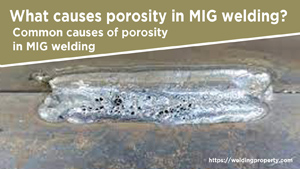
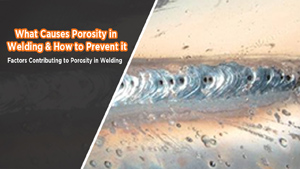
Porosity shows up as those pesky gas pockets trapped in the solidified weld metal. They look like pinholes or voids on the surface, but cut the weld open, and you’ll see them scattered throughout.
In MIG welding—short for Metal Inert Gas—it’s all about shielding the molten pool from atmospheric gases like oxygen and nitrogen, which react and create these bubbles.
It works like this: During the weld, your shielding gas (usually argon-CO2 mix) forms a protective blanket. If that blanket gets disrupted, contaminants sneak in, boiling off and leaving voids as the metal cools. This happens fast—within seconds of the arc striking.
Use prevention strategies when you’re dealing with outdoor work, thin materials, or high-humidity environments, where porosity loves to thrive.
A porous weld lacks strength; in load-bearing applications like vehicle chassis or pressure vessels, it could lead to catastrophic failure. I’ve had to scrap entire assemblies because porosity compromised integrity, turning a quick job into a full redo.
From my shop days, a common culprit is rushing the setup. Beginners often crank up the amperage thinking it’ll burn through contaminants, but that just worsens spatter and porosity. Pros make the mistake too, especially on galvanized steel without proper prep. Tip: Always test on scrap first—adjust until your bead is smooth and free of pits.
How Contaminated Materials Lead to Porosity and How to Clean Them Up
Dirty base metal is enemy number one for porosity in MIG welds. Oil, rust, paint, or even mill scale can vaporize in the heat, creating gases that get trapped. I’ve pulled all-nighters fixing welds on farm equipment where grease from previous use caused endless pinholes.
The process starts with identifying contaminants. Rust oxidizes and releases moisture; oils boil off hydrocarbons. To fix it, thorough cleaning ensures a pure fusion zone.
Do this before any weld on structural steel, aluminum, or stainless—especially in repair scenarios where old parts are involved. It saves rework and maintains weld quality, reducing distortion from uneven heating.
Practical tip: Grab a wire brush or angle grinder with a flap disc for steel. For aluminum, use a stainless steel brush to avoid embedding particles. I once had a trainee skip this on a boat trailer repair, and the porosity was so bad we had to cut out the section. Lesson: Spend the extra five minutes cleaning a 2-inch radius around the joint.
Step-by-step cleaning guide:
- Degrease with acetone or a dedicated solvent—wipe until the rag comes clean.
- Remove oxides: Grind or brush aggressively, aiming for bright metal.
- For galvanized coatings, grind them off completely; the zinc vaporizes and wreaks havoc.
- Dry everything—moisture is a hidden killer.
On thicker materials, bevel the edges for better penetration.
Semantic note: Pair this with proper filler wire selection, like ER70S-6 for mild steel, to match the base and minimize reactions.
Choosing the Right Shielding Gas to Banish Porosity
Shielding gas isn’t just an afterthought—it’s your first line of defense against porosity. In MIG, it displaces air, preventing oxidation. A poor mix or flow lets in contaminants, bubbling up your weld.
How it works: Argon provides stability, CO2 adds penetration but increases spatter. Common blends like 75/25 argon-CO2 balance both for mild steel.
Switch gases when materials change—pure argon for aluminum, tri-mix for stainless. Why? Mismatched gas leads to unstable arcs and porosity, especially in overhead positions where gravity pulls the pool.
In my experience, hobbyists often stick with straight CO2 because it’s cheap, but it causes more porosity on thin sheet metal. I switched a shop over to 75/25, and rework dropped by 30%.
Tip: Check for drafts—wind can blow away your gas shield outdoors. Use wind blocks or increase flow to 20-25 CFH.
Pros and cons table for common gases:
| Gas Type | Pros | Cons |
|---|---|---|
| 75/25 Argon/CO2 | Good penetration, low spatter, versatile for steel | More expensive than CO2 |
| 100% CO2 | Cheap, deep penetration | High spatter, more porosity-prone |
| 100% Argon | Stable arc for aluminum, minimal spatter | Poor penetration on steel, costly |
| Tri-Mix (Argon/CO2/Helium) | Excellent for stainless, high heat input | Very expensive, overkill for basic jobs |
Adjust based on your machine—Lincoln or Miller welders handle blends well. Always purge lines before starting to avoid initial bursts of air.
Dialing In Amperage and Voltage to Prevent Pinholes
Wrong electrical settings are a sneaky cause of porosity. Too high voltage stretches the arc, letting in air; too low amperage doesn’t melt the wire properly, trapping gases.
Amperage controls heat input—higher amps for thicker materials. Voltage affects arc length and bead shape. Together, they ensure the pool stays protected.
Apply precise settings for consistent welds on pipes, frames, or sheet metal. It matters because improper balance leads to poor fusion, increasing crack risks and material waste.
From shop floors, I’ve seen pros overlook voltage tweaks on variable machines. A common mistake: Running 18-20 volts on 1/8-inch steel with 0.035 wire, causing elongated arcs and porosity. Fix it by dropping to 16-18 volts.
Recommended ranges table:
| Material Thickness | Wire Diameter | Amperage Range | Voltage Range |
|---|---|---|---|
| 1/16-inch mild steel | 0.030-inch | 80-110A | 15-17V |
| 1/8-inch mild steel | 0.035-inch | 120-150A | 16-19V |
| 1/4-inch mild steel | 0.035-inch | 160-200A | 18-22V |
| Thin aluminum (1/16-inch) | 0.035-inch | 90-120A | 17-20V |
Test on scrap: Start low, increase until the bead flattens without burn-through. For US machines like the Hobart Handler, use the chart on the door as a baseline.
Mastering MIG Technique to Eliminate Porosity
Technique is where the rubber meets the road. Travel speed, angle, and manipulation all influence gas coverage.
It works by maintaining a consistent puddle—too fast, and the shield lags; too slow, and overheating boils contaminants.
Use refined technique on fillet welds, laps, or butts where porosity hides in undercuts. Why? Flawed motion leads to weak joints, especially in multi-pass welds.
I remember a fabrication job on exhaust systems where pushing instead of pulling caused porosity from drag-angle issues. Switch to a 10-15 degree push angle for better coverage.
Practical tips:
- Hold the gun at 10-15 degrees from perpendicular, tip toward travel direction.
- Weave slightly on wider joints to fill without gaps.
- Keep stick-out at 3/8-1/2 inch—longer exposes wire to air.
- Pause at toes to avoid craters.
For overhead, short-circuit mode reduces drips and porosity. Practice on vertical plates to build muscle memory.
Joint Preparation Tricks That Stop Porosity Before It Starts
Joint prep sets the stage. Poor fits introduce gaps where air hides, leading to porosity.
Prep involves beveling, spacing, and aligning for full penetration. Gaps over 1/16-inch trap gases.
Essential for T-joints or butts on structural steel—prevents incomplete fusion and costly fixes.
In my early days, I skipped bevels on thick plate, resulting in porous roots. Now, I always chamfer edges at 30-45 degrees.
Step-by-step prep:
- Measure and mark joints accurately.
- Grind bevels if thickness exceeds 1/8-inch.
- Tack weld with proper spacing—1/16-inch max gap.
- Inspect for alignment; misfits cause shielding loss.
Match filler to base: ER4043 for 6061 aluminum avoids cracking and porosity.
Troubleshooting When Porosity Persists Despite Your Best Efforts
Sometimes porosity sticks around. Check for leaks in gas lines or worn consumables.
Diagnose by examining the bead: Surface pits mean gas issues; internal voids suggest material problems.
Tackle stubborn cases in humid shops or with exotic metals. It saves frustration and downtime.
Anecdote: On a rainy day job, moisture in the wire spool caused hidden porosity. Solution: Store wire in dry cabinets.
Advanced fixes:
- Inspect liner and tip for blockages—clean or replace.
- Use anti-spatter sparingly; excess contaminates.
- For aluminum, preheat to 200°F to drive out moisture.
- Switch to pulsed MIG for better control on thin stock.
Material Compatibility and Filler Wire Choices to Avoid Porosity Pitfalls
Mismatched materials react badly, creating gases. Silicon in some fillers helps deoxidize, reducing porosity.
How: Filler melts into the pool, alloying with base. Wrong choice leads to inclusions.
Choose wisely for alloys like stainless—why? Incompatibilities cause brittle welds prone to failure.
Common error: Using ER70S-3 on high-sulfur steel; switch to ER70S-6 for better cleaning action.
Tips: For US standards, stick to AWS classifications. Store wire sealed to prevent rust.
Pros/cons of wire types:
| Wire Type | Pros | Cons |
|---|---|---|
| ER70S-6 | High deoxidizers, good on dirty steel | More expensive |
| ER70S-3 | Cheaper, clean beads on prepped metal | Less forgiving on contaminants |
| ER308L (Stainless) | Corrosion-resistant | Requires tri-mix gas |
| ER4043 (Aluminum) | Easy feeding | Softer, less strength |
Always match diameter to amp range—0.030 for low amps, 0.045 for heavy.
Safety Gear and Practices to Keep You Welding Without Risks
Porosity fixes involve grinding and prepping, so safety first. Fumes from contaminants can be toxic.
Gear up with respirators, gloves, and helmets. Why? Protects from UV, sparks, and vapors—essential in confined spaces.
I’ve seen welders skip ventilation, leading to health issues. Tip: Use exhaust fans and position yourself upwind.
Incorporate into every job: Check gas for leaks, wear FR clothing.
Machine Maintenance to Ensure Porosity-Free Performance
A neglected welder invites porosity. Dirty drive rolls slip, inconsistent feed causes arc instability.
Maintain by cleaning rolls, replacing liners annually.
Do it regularly for high-volume shops—prevents downtime.
From experience, a clogged nozzle once ruined a batch of welds. Clean after every 10 pounds of wire.
Real-World Applications: Fixing Porosity on Common Jobs
On auto repairs, clean rust thoroughly. For trailers, use higher amps on frames.
In fab, test settings per material thickness.
Anecdote: Repaired a gate with porosity from wind—added shields, problem solved.
Wrapping Up
I’ve laid down, tackling porosity boils down to vigilance in prep, settings, and technique. You’ve got the tools now to spot causes like contamination or poor gas flow, dial in amperages from 80A for thin stock to 200A for thicker plates, avoid mistakes such as skipping cleaning or mismatched fillers, and apply tips like proper gun angles and joint bevels.
With this knowledge, your welds will hold stronger, saving you from costly reworks and boosting confidence on the job. Always listen to the arc— a steady sizzle means good shielding; crackling signals porosity brewing. Adjust on the fly, and you’ll master it.
FAQ’s
Can Too Much Gas Flow Cause Porosity in MIG Welds?
Absolutely—over 30 CFH creates turbulence, sucking in air. Stick to 15-25 CFH, and test in your setup. I’ve fixed many by simply turning down the regulator.
What’s the Best Way to Detect Porosity Hidden Inside a Weld?
Visual inspection catches surface issues, but for internals, use dye penetrant or cut a cross-section. On critical jobs, X-ray if available. Pros grind test welds to check.
Should I Use a Different Wire for Welding Rusty Steel to Reduce Porosity?
Yes, ER70S-6 has more deoxidizers to handle rust. But clean first—wire alone won’t miracle it. Matches well with 75/25 gas.
How Does Humidity Affect MIG Welds and Porosity?
High humidity adds moisture, which vaporizes into pores. Weld in controlled environments or preheat materials. In summer shops, dehumidifiers help.
Is Pulsed MIG Better for Avoiding Porosity on Aluminum?
Definitely—pulses control heat, reducing gas entrapment. If your machine supports it, use for thin aluminum sheets. Cuts distortion too.