If you’re asking, “Can you MIG weld chromoly to mild steel?” you’ve come to the right place. As someone who’s spent years with a welding helmet on, I’ve tackled this question more than once. It’s a great one, especially if you’re working on a project like a race car frame, a custom bike, or even a heavy-duty trailer.
Welding chromoly to mild steel can seem tricky at first, but don’t worry—I’m here to walk you through it step by step, like we’re hanging out in the shop together.

Photo by udemy
I’ll explain everything you need to know about MIG welding chromoly to mild steel. We’ll cover why it works, what equipment you need, and how to avoid common mistakes. If you’re a weekend welder or a seasoned pro, I’ve got tips to help you get a strong, clean weld.
What Is Chromoly, and Why Is It Special?
Chromoly is short for chromium-molybdenum steel. It’s a strong, lightweight alloy that’s tougher than regular mild steel. I’ve used it for projects like roll cages and bicycle frames because it’s super durable without being heavy. The chromium and molybdenum in chromoly give it extra strength and resistance to corrosion, but they also make it a bit pickier to weld.
Mild steel, on the other hand, is the workhorse of the welding world. It’s affordable, easy to weld, and used in everything from fences to car bodies. When you weld chromoly to mild steel, you’re joining two metals with different properties. The good news? They’re both ferrous (iron-based) metals, so they can bond well if you do it right.
Can You MIG Weld Chromoly to Mild Steel?
Yes, you absolutely can MIG weld chromoly to mild steel! I’ve done it plenty of times, and it’s a solid option for many projects. MIG welding, or Metal Inert Gas welding, is perfect for this because it’s fast, versatile, and gives you good control. In MIG welding, a machine feeds a wire electrode through a gun, and a shielding gas protects the weld from air and contaminants.
The trick to welding chromoly to mild steel is understanding their differences. Chromoly is more sensitive to heat, and mild steel is more forgiving. If you use the right wire, gas, and technique, you’ll get a weld that’s strong and reliable. Let’s break down what you need to make it happen.
Why Welding Chromoly to Mild Steel Can Be Tricky
Welding chromoly to mild steel isn’t as simple as welding two pieces of mild steel together. I learned this the hard way when I started out. Here’s why it can be a challenge:
Different Strengths: Chromoly is much stronger than mild steel. If the weld isn’t strong enough, it could fail under stress, especially in high-performance applications like race cars.
Heat Sensitivity: Chromoly doesn’t like too much heat. Overheating it can make it brittle or weaken its structure. Mild steel can handle more heat, so you need to find a balance.
Alloy Content: Chromoly’s chromium and molybdenum content affects how it bonds with mild steel. You need a filler wire that works with both metals.
Cracking Risk: If the weld cools too quickly, chromoly can develop tiny cracks. This is called hydrogen cracking, and it’s a pain to deal with.
Don’t let this scare you, though! With the right setup, you can avoid these issues and get a great weld.
Choosing the Right Equipment
To MIG weld chromoly to mild steel, you need the right tools. I’ve spent years tweaking my setup, and here’s what works best:
MIG Welder
Any good MIG welder will do, but one with adjustable voltage and wire feed speed is ideal. I use a mid-range welder like a Lincoln Electric or Miller, which gives me the control I need. Make sure your welder can handle the thickness of your materials—chromoly is often thin-walled (like 0.065 to 0.120 inches), while mild steel can vary.
Filler Wire
The filler wire is super important. I recommend ER70S-6 or ER80S-D2 wire for welding chromoly to mild steel. ER70S-6 is a solid choice for general-purpose welding and works well with both metals. ER80S-D2 is a bit stronger and better for chromoly because it matches its alloy content more closely. Use a wire diameter of 0.035 inches for most projects—it’s versatile and easy to control.
Shielding Gas
For MIG welding, you need a shielding gas to protect the weld. I use a mix of 75% argon and 25% CO2 for most chromoly-to-mild-steel jobs. This mix gives a stable arc and good penetration. If you’re welding thicker chromoly, you might try 100% argon or a helium-argon mix for better heat control, but the argon/CO2 mix is usually fine.
Other Gear
You’ll also need a welding helmet, gloves, and a jacket to stay safe. A wire brush and grinder are handy for cleaning the metal before welding. And don’t forget a good pair of pliers for handling hot parts!
Here’s a quick table to sum up the equipment:
| Item | Recommendation | Why It Matters |
|---|---|---|
| Welder | MIG welder with adjustable settings | Precise control for different metals |
| Filler Wire | ER70S-6 or ER80S-D2 (0.035 inches) | Bonds well with chromoly and mild steel |
| Shielding Gas | 75% argon/25% CO2 or 100% argon | Protects weld and ensures good penetration |
| Safety Gear | Helmet, gloves, jacket | Keeps you safe from sparks and UV light |
Preparing the Metal
Before you start welding, you need to prep the metal. This step is huge—I’ve seen welds fail because the metal wasn’t clean. Both chromoly and mild steel can have oil, rust, or mill scale on the surface, and that messes up the weld.
Clean the Surface: Use a wire brush or grinder to remove rust, paint, or dirt. For chromoly, I use a stainless steel brush to avoid contaminating the metal. Wipe both metals with acetone or a degreaser to get rid of oil.
Bevel the Edges: If the metal is thicker than 1/8 inch, bevel the edges with a grinder to create a V-shape. This helps the weld penetrate deeper for a stronger bond.
Fit-Up: Make sure the pieces fit tightly together. Gaps bigger than 1/16 inch can weaken the weld. Use clamps to hold everything in place.
Taking your time here makes a big difference. A clean, tight joint is the foundation of a great weld.
Setting Up Your Welder
Getting your welder dialed in is key. I always start with the manufacturer’s recommended settings and tweak from there. Here’s a basic guide:
- Polarity: Use Direct Current Electrode Positive (DCEP) for MIG welding. This is standard for most MIG setups.
- Voltage and Wire Speed: For thin chromoly (0.065 to 0.120 inches), start with a lower voltage (around 16-20 volts) and a moderate wire feed speed. For thicker mild steel, you might need 20-24 volts. Test on scrap metal first to find the sweet spot.
- Gas Flow: Set your gas flow to 20-25 cubic feet per hour. Too much gas wastes money, and too little leaves your weld exposed.
Every welder is a bit different, so practice on some scrap pieces of chromoly and mild steel. You want a smooth, sizzling arc with no popping or sputtering.
Welding Technique
Let’s talk about actually laying down the weld. I’ve found that technique matters just as much as equipment. Here’s how to do it right:
Start with a Tack Weld: Put a few small tack welds to hold the pieces together. This keeps everything aligned while you weld.
Use a Push Technique: Hold the MIG gun at a 10-15 degree angle and push the weld pool forward. This gives better gas coverage and a cleaner bead.
Control Your Heat: Chromoly hates too much heat, so use short, controlled welds. I like to do 1-2 inch beads, then let the metal cool before continuing. If the chromoly starts glowing red, you’re going too hot.
Weave Slightly: For thicker joints, a slight side-to-side weave helps fill the gap. Keep it tight—don’t overdo it.
Watch Your Speed: Move steadily, but not too fast. If you go too slow, you’ll pile up too much filler. Too fast, and the weld won’t penetrate.
Practice makes perfect here. If your welds look lumpy or uneven, slow down and focus on a steady hand.
Post-Weld Treatment
After welding, you’re not quite done. Chromoly is prone to cracking if it cools too fast, so you need to treat the weld carefully.
Cool Slowly: Let the weld cool naturally—don’t dunk it in water or blast it with air. I sometimes wrap the weld in a welding blanket to slow the cooling.
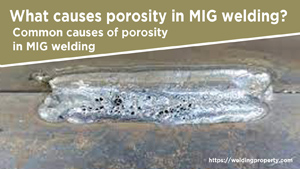
Clean the Weld: Use a wire brush to remove any slag or spatter. If the weld looks porous (full of tiny holes), you might have had dirty metal or bad gas coverage.
Inspect the Weld: Check for cracks or weak spots. If you’re working on something critical like a roll cage, consider having the weld X-rayed or tested by a pro.
If you’re painting or coating the piece, grind the weld smooth for a clean finish.
Common Mistakes to Avoid
I’ve made plenty of mistakes welding chromoly to mild steel, and I want to save you the hassle. Here are some things to watch out for:
- Overheating: Too much heat can ruin chromoly’s strength. Keep your welds short and let the metal cool.
- Dirty Metal: Skipping the cleaning step leads to weak, porous welds. Always prep the surface.
- Wrong Wire: Using the wrong filler wire (like one meant for stainless steel) can cause cracking or poor bonding.
- Bad Fit-Up: Gaps or misaligned pieces make for weak welds. Take time to get a tight fit.
- Rushing: Welding chromoly takes patience. Don’t try to blast through it in one go.
Alternatives to MIG Welding
MIG welding is great for chromoly to mild steel, but it’s not the only option. Depending on your project, you might consider these:
TIG Welding: TIG (Tungsten Inert Gas) welding is my go-to for chromoly when I need a super clean, precise weld. It’s slower than MIG but gives amazing control. Use ER80S-D2 filler rod and 100% argon gas.
Stick Welding: Stick welding is less common for chromoly, but it can work with the right electrodes (like E8018). It’s not as clean as MIG or TIG, though.
Brazing: For some low-stress joints, brazing with a bronze filler can work. It’s not as strong as welding, so use it for non-structural parts.
MIG is usually the best balance of speed, strength, and ease for joining chromoly to mild steel.
Tips for Beginners
If you’re new to welding chromoly, don’t stress—it’s a learning process. Here are some tips to get you started:
- Practice First: Weld some scrap pieces of chromoly and mild steel to get a feel for the settings and technique.
- Start Small: Begin with thin materials (like 0.065-inch chromoly) to build confidence.
- Watch the Heat: Chromoly is unforgiving if you overheat it. Practice short welds and check the metal’s color.
- Learn from Others: Watch videos or ask a local welder for tips. I learned a ton by hanging out at a friend’s shop.
- Invest in Quality: A good welder and the right wire make a huge difference. Don’t skimp on the basics.
Why This Matters for Your Projects
Welding chromoly to mild steel opens up a lot of possibilities. I’ve used this combo for everything from custom motorcycle frames to heavy-duty trailers. Chromoly gives you strength where it counts, while mild steel keeps costs down for less critical parts. Getting the weld right means your project will be safe, strong, and long-lasting—whether it’s a race car or a backyard build.
Conclusion
So, can you MIG weld chromoly to mild steel? You bet you can! With the right wire, gas, and technique, you’ll get a weld that’s strong enough for even the toughest projects. I’ve been there, tweaking settings and practicing on scrap metal, and I can tell you it’s worth the effort.
Clean your metal, dial in your welder, and take your time to control the heat. Before you know it, you’ll be laying down clean, solid welds like a pro.
If you’re building a roll cage, fixing a trailer, or just experimenting in your garage, welding chromoly to mild steel is a skill that’ll serve you well. Grab your gear, start small, and don’t be afraid to mess up a few times—it’s all part of the process. If you hit a roadblock, reach out to a fellow welder or drop by a local shop. We’re all in this together.
FAQs
Can I use any MIG wire to weld chromoly to mild steel?
No, you need the right wire. ER70S-6 is good for most jobs, and ER80S-D2 is even better for chromoly. These wires bond well with both metals and prevent cracking.
What shielding gas is best for welding chromoly to mild steel?
A mix of 75% argon and 25% CO2 works great for most setups. It gives a stable arc and good penetration. For thicker chromoly, 100% argon can help with heat control.
Do I need a special welder to join chromoly and mild steel?
Not really, but you need a MIG welder with adjustable settings. This lets you fine-tune the voltage and wire speed for chromoly’s heat sensitivity.
Why does my weld crack when joining chromoly to mild steel?
Cracking usually happens from too much heat or fast cooling. Use short welds, let the metal cool slowly, and make sure your metal is clean before starting.
Is TIG welding better than MIG for chromoly to mild steel?
TIG gives cleaner, more precise welds, especially for thin chromoly. But MIG is faster and easier for most projects. It depends on your skill and the job.