Stick welding stainless steel exhaust isn’t exactly what most welders call “easy.” The first time I tried it, I spent more time chasing burn-throughs and cleaning slag than actually laying a bead. But when you don’t have a TIG setup handy — or you’re working outdoors — knowing how to stick weld stainless steel exhaust can be a real lifesaver.
The trick is all in the prep and control. Stainless exhaust tubing is thin, heat-sensitive, and quick to warp if you run too hot. Pick the wrong rod or amperage, and you’ll end up blowing holes before the puddle even forms.
In this guide, I’ll share the rod types that actually work, how to keep your heat input low, and a few field-tested techniques to get clean, durable welds without fancy gear. Let’s get into the gritty side of stainless — stick style.

Photo by fb/Oxley and Son Welding
Advantages and challenges of stick welding stainless steel exhaust
Stick welding, also known as shielded metal arc welding (SMAW), offers several advantages when it comes to welding stainless steel exhausts. One of the main benefits is its versatility, as it can be used to weld various thicknesses of stainless steel.
Stick welding is a cost-effective method that requires minimal equipment, making it accessible to both professionals and DIYers alike.
Stick welding stainless steel exhausts also poses some challenges. Stainless steel is known for its low thermal conductivity, which means it retains heat and can easily distort during the welding process. Stainless steel is prone to corrosion if not properly protected, making it crucial to use the correct electrodes and filler metals.
To overcome these challenges, it’s important to follow proper safety precautions and select the right tools and materials for stick welding stainless steel exhausts.
Safety precautions for stick welding stainless steel exhaust
Before diving into the stick welding process, it’s crucial to prioritize safety. Here are some essential safety precautions to keep in mind:
Protective gear: Always wear appropriate protective clothing, including a welding helmet with a proper shade, gloves, flame-resistant clothing, and safety glasses.
Ventilation: Ensure you are working in a well-ventilated area or use local exhaust ventilation to remove welding fumes and gases.
Fire safety: Keep a fire extinguisher nearby and remove any flammable materials from your work area.
Electrical safety: Inspect your welding equipment regularly for damaged cables or connections, and ensure you have a proper grounding system.
First aid: Have a first aid kit readily available in case of any injuries.
By following these safety precautions, you can minimize the risks associated with stick welding stainless steel exhausts and ensure a safe working environment.
Selecting the right electrodes for stick welding stainless steel exhaust
Choosing the right electrodes is crucial for achieving high-quality welds on stainless steel exhausts. The electrode you select will depend on the specific stainless steel alloy you’re working with. Here are some commonly used electrodes for stick welding stainless steel exhausts:
E308L-16: This electrode is suitable for welding stainless steel grades 301, 302, 304, and 308. It provides excellent corrosion resistance and is easy to use, making it a popular choice for exhaust welding.
E309L-16: If you’re working with stainless steel alloys that have higher carbon content or require higher strength, this electrode is a good option. It offers good crack resistance and can withstand high temperatures.
E316L-16: For stainless steel exhausts that will be exposed to corrosive environments, such as marine applications, the E316L-16 electrode is recommended. It provides superior resistance to pitting and crevice corrosion.
When selecting electrodes, consider the thickness of the stainless steel exhaust, as some electrodes are more suitable for thin materials while others are better for thicker ones. It’s also important to check the manufacturer’s recommendations and consult with experts if needed.
Preparing the stainless steel exhaust for welding
Proper preparation of the stainless steel exhaust is essential for achieving strong and reliable welds. Here are the steps to follow before starting the welding process:
Clean the surface: Thoroughly clean the stainless steel exhaust using a wire brush or stainless steel cleaning solution to remove any dirt, grease, or contaminants that could affect the quality of the weld.
Remove any coatings: If the stainless steel exhaust has any protective coatings, such as paint or galvanization, remove them using a suitable method, such as sanding or chemical stripping.
Tack welds: Use tack welds to hold the stainless steel exhaust in place and ensure proper alignment during the welding process.
Taking the time to prepare the stainless steel exhaust will result in cleaner and more consistent welds, minimizing the risk of defects and ensuring a strong bond.
Stick welding techniques for stainless steel exhaust
Now that you have prepared the stainless steel exhaust, it’s time to dive into the stick welding process. Follow these techniques for successful welds:
Choose the right amperage
The amperage setting will depend on the thickness of the stainless steel exhaust. As a general guideline, use lower amperage settings for thinner materials and higher settings for thicker ones.
Select the correct polarity
For stick welding stainless steel exhausts, use direct current electrode positive (DCEP) polarity. This allows for better control of the weld pool and helps prevent distortion.
Maintain a short arc length
Keep the arc length between 1/8 to 3/16 inches for optimal results. A short arc length helps control the heat input and reduces the risk of burn-through or distortion.
Use a weaving motion
To ensure proper fusion and avoid undercutting, use a weaving motion while welding. This technique helps distribute the heat evenly and creates a stronger weld bead.
Control the travel speed
Maintain a steady travel speed to achieve consistent welds. Moving too fast can result in insufficient penetration, while moving too slow can lead to excessive heat input and distortion. By following these stick welding techniques, you’ll be able to create strong and reliable welds on stainless steel exhausts.
Troubleshooting common issues in stick welding stainless steel exhaust
Even with proper technique and preparation, issues can arise during the stick welding process. Here are some common problems and their solutions:
Burn-through
If you notice burn-through on the stainless steel exhaust, reduce the amperage or increase the travel speed to control the heat input.
Lack of penetration
Insufficient penetration can occur if the amperage is too low or the travel speed is too fast. Increase the amperage or slow down the travel speed to achieve proper penetration.
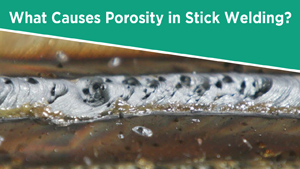
Porosity
Porosity, or tiny gas pockets in the weld, can be caused by contaminants or inadequate shielding gas coverage. Ensure proper cleaning and use the correct shielding gas to prevent porosity.
Cracking
Cracks can occur if the stainless steel alloy is not compatible with the selected electrode or if the welding process is too rapid. Use the appropriate electrode for the stainless steel alloy and control the heat input to prevent cracking. By troubleshooting these common issues, you can ensure high-quality welds and minimize the need for rework.
Post-welding care and maintenance for stainless steel exhaust
After completing the stick welding process, it’s crucial to give proper care and maintenance to the stainless steel exhaust to ensure its longevity. Here are some post-welding care tips:
Remove slag: Remove any slag or spatter left behind by the welding process using a wire brush or suitable cleaning tool. This will prevent corrosion and maintain the appearance of the exhaust.
Passivation: Passivation is a chemical process that helps restore the stainless steel’s corrosion resistance. Apply a passivation solution or paste to the welded areas following the manufacturer’s instructions.
Regular inspection: Periodically inspect the welded areas for any signs of corrosion or damage. Promptly address any issues to prevent further deterioration.
Proper storage: If the stainless steel exhaust is not immediately installed, store it in a dry and well-ventilated area to prevent moisture buildup and corrosion.
By following these post-welding care and maintenance practices, you can extend the lifespan of your stainless steel exhaust and maintain its performance.
Recommended tools and equipment for stick welding stainless steel exhaust
To achieve the best results when stick welding stainless steel exhausts, it’s important to have the right tools and equipment. Here are some essential items to consider:
Welding machine: Invest in a high-quality stick welding machine that offers the necessary amperage range and features suitable for stainless steel welding.
Electrodes: Purchase a variety of stainless steel electrodes that are compatible with the stainless steel alloy you’re working with.
Protective gear: Ensure you have a welding helmet with the appropriate shade, gloves, flame-resistant clothing, and safety glasses to protect yourself during the welding process.
Wire brush: A wire brush is essential for cleaning the stainless steel exhaust before welding and removing any slag or spatter after welding.
Passivation solution: Invest in a passivation solution or paste to restore the stainless steel’s corrosion resistance after welding.
Having the right tools and equipment will make the stick welding process smoother and help you achieve high-quality welds on stainless steel exhausts.
Conclusion
Stick welding stainless steel exhausts may seem daunting at first, but with the right techniques and equipment, you can achieve professional results. By following the step-by-step instructions outlined in this article, you’ll be well on your way to creating strong and durable welds that will stand the test of time.
In case you encounter any issues during the stick welding process, refer to the troubleshooting section for solutions. Finally, don’t forget to give proper post-welding care and maintenance to the stainless steel exhaust to maximize its lifespan and performance.