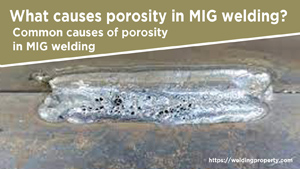
Burn-through is a common issue in MIG welding, particularly when working with thin materials. It occurs when the weld puddle becomes too hot and melts through the base material, creating holes or gaps.
This can compromise the structural integrity of the weld and make the workpiece unusable. Burn-through can be prevented and fixed with proper adjustments and techniques. We will explore the causes of burn-through and provide practical solutions to fix and prevent it.

Image by linkedin
What Causes Burn-Through in MIG Welding?
Burn-through happens when excessive heat input causes the base metal to melt through. This can occur due to a combination of factors, including high voltage, excessive amperage, slow travel speed, or improper technique.
It is more likely to occur when welding thin materials, such as sheet metal, where the heat easily penetrates the material.
Common Causes of Burn-Through
High Heat Input: Excessive voltage or amperage creates too much heat, which can melt through the base metal.
Slow Travel Speed: Moving the welding gun too slowly concentrates too much heat in one area, increasing the likelihood of burn-through.
Improper Wire Feed Speed: A wire feed speed that’s too high or low can lead to arc instability and contribute to burn-through.
Inappropriate Wire Diameter: Using a wire that’s too thick for the material can cause too much heat buildup.
Incorrect Welding Technique: Poor control over the arc, including long arc length or poor torch angle, can lead to burn-through.
How to Fix and Prevent Burn-Through
Here’s a step-by-step guide to fixing and preventing burn-through in MIG welding:
Lower the Voltage and Amperage
Excessive heat is the primary cause of burn-through, so adjusting the voltage and amperage is essential to preventing it.
Solution
Reduce Voltage: Lower the voltage to reduce the overall heat input. This will prevent the weld pool from becoming too hot and melting through the material.
Adjust Amperage: If your machine allows you to control amperage separately, reduce it to control the heat. For many machines, voltage and amperage are adjusted together, so lowering voltage will automatically lower amperage.
Increase Travel Speed
Moving the welding gun too slowly allows too much heat to accumulate in one spot, which can result in burn-through, especially on thin materials.
Solution
Increase Travel Speed: Move the torch faster to reduce the heat buildup. This distributes the heat more evenly across the weld and prevents the metal from overheating.
Practice Consistent Movement: Maintain a steady travel speed while ensuring that the weld pool is still adequately filled.
Use a Lower Wire Feed Speed
Wire feed speed directly affects the amount of filler material being deposited into the weld pool and the heat generated. If the wire feed speed is too high, the weld puddle can become too large and hot, causing burn-through.
Solution
Decrease Wire Feed Speed: Lower the wire feed speed to match the voltage setting and material thickness. This will help reduce the heat and make it easier to control the weld pool on thin materials.
Use the Correct Wire Diameter
Using the correct wire diameter for the material thickness is critical in avoiding burn-through. A thicker wire generates more heat, while a thinner wire is more appropriate for welding thin materials.
Solution
Use Thinner Wire for Thin Materials: For thin sheet metals (e.g., less than 1/8 inch), consider using a smaller wire diameter, such as 0.023 or 0.030 inches. This helps reduce the heat input and provides better control over the weld pool.
Match Wire to Material Thickness: Use a wire that is appropriate for the thickness of the material you are welding. For thicker materials, a thicker wire (0.035 inches or larger) can be used, but for thinner materials, smaller wire is essential.
Use a Backing Bar or Heat Sink
A backing bar or heat sink is a metal bar placed behind the joint you’re welding. It helps dissipate heat and supports the weld pool, reducing the chances of burn-through. This is particularly helpful for thin materials.
Solution
Use Copper Backing Bars: Copper is commonly used as a backing bar because it has excellent heat dissipation properties and won’t fuse with the weld. Place the copper bar behind the joint to absorb excess heat and prevent burn-through.
Use Aluminum or Steel Backing Bars: For aluminum or steel welding, using backing bars made of the same material can also help reduce burn-through by providing support to the joint.
Use Pulse Welding (If Available)
Pulse welding is a technique that alternates between high and low current, allowing the material to cool briefly between each pulse. This reduces the overall heat input while still providing sufficient penetration.
Solution
Switch to Pulse Mode: If your MIG welder has a pulse mode, use it to reduce heat input and prevent burn-through, especially when welding thin materials. The pulses provide enough energy for proper penetration while minimizing the risk of melting through the material.
Shorten the Arc Length
Arc length refers to the distance between the contact tip and the weld pool. A longer arc length produces more heat, which can lead to burn-through, particularly on thin metals.
Solution
Keep a Short Arc: Maintain a short arc length (about 1/4 inch) to ensure that the heat is more concentrated in the weld pool without spreading too much heat to the surrounding area. This will help avoid overheating the base material.
Practice Consistent Technique: Hold the torch at the correct angle (typically 10-15 degrees from vertical) and keep the contact tip at a consistent distance from the workpiece.
Use Tack Welds to Control Heat
Tack welding involves placing small, temporary welds at intervals along the joint before completing the final weld. This helps hold the material in place and reduces distortion, making it easier to avoid burn-through.
Solution
Place Tack Welds at Intervals: Start by making small tack welds at regular intervals along the joint. This minimizes movement during welding and allows you to control heat better.
Let Tack Welds Cool: Allow the tack welds to cool before proceeding with the final weld. This prevents excessive heat from building up and causing burn-through.
Practice Stitch Welding
Stitch welding, also known as intermittent welding, involves welding short sections at a time, rather than continuously along the joint. This technique allows the material to cool between welds, reducing the risk of burn-through.
Solution
Weld in Short Sections: Instead of welding the entire joint in one pass, weld short sections and allow time for the material to cool. This limits heat input and prevents burn-through.
Alternate Sides of the Joint: If welding both sides of a joint, alternate between the two sides to distribute the heat more evenly.
Control Heat with Pause and Break Technique
Simply pausing for a moment can prevent the weld from overheating. This technique can be particularly effective when welding thin materials that are prone to burn-through.
Solution
Pause Briefly During Welding: After welding for a few inches, stop for a moment to let the weld pool cool slightly before continuing. This helps control the heat input and reduces the risk of burning through the material.
Break Between Welds: Take brief breaks between weld passes to allow the metal to cool. This is especially helpful when working on larger projects where heat can build up over time.
Comparison of Solutions for Preventing Burn-Through
| Cause of Burn-Through | Effect | Solution |
|---|---|---|
| High Voltage/Amperage | Excessive heat melts through material | Lower voltage and amperage settings |
| Slow Travel Speed | Concentrates heat in one spot, causing burn-through | Increase travel speed to distribute heat evenly |
| Improper Wire Feed Speed | Too much heat input or an unstable arc | Adjust wire feed speed to match voltage settings |
| Thick Wire Diameter | Generates more heat than necessary | Use a thinner wire (e.g., 0.023″ or 0.030″) |
| Long Arc Length | Increases heat and instability | Shorten arc length to around 1/4 inch |
| No Backing Bar or Heat Sink | Material overheats without support | Use copper or aluminum backing bars |
| Continuous Welding | Excessive heat builds up along the joint | Use stitch or pulse welding to control heat |
| Poor Technique | Inconsistent movement creates overheating | Maintain proper gun angle and consistent technique |
Conclusion
Burn-through is a frustrating problem, especially when welding thin materials. By adjusting machine settings, improving technique, and using additional tools like backing bars or pulse welding, you can prevent burn-through and achieve high-quality welds.
Paying attention to travel speed, voltage, amperage, and wire diameter is essential for controlling heat and avoiding this common issue. With practice and the right adjustments, you can effectively minimize the risk of burn-through and produce clean, durable welds.