Stick welding is a popular welding technique used in various industries. It is not uncommon to encounter issues such as porosity in stick welding. Porosity, which appears as small bubbles or holes in the welded joint, can weaken the weld and compromise its strength.

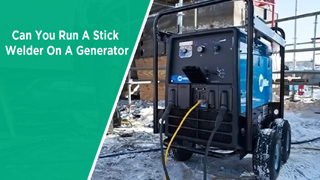
Photo by Welddotcom
What causes porosity in stick welding? Understanding the causes of porosity is crucial for producing clean, strong welds.
We will provide an overview of the main causes of porosity in stick welding, highlighting the importance of addressing these factors to achieve welding success. Let’s get started and explore the root causes of stick welding porosity.
Factors Affecting Porosity in Stick Welding
Porosity in stick welding can be caused by a variety of factors. Understanding these factors is crucial in order to prevent porosity in welding and ensure their structural integrity. The main factors leading to porosity are:
- Atmospheric contaminants: the presence of moisture, oil, rust, or other contaminants in the welding surface can lead to the formation of porosity in welds.
- Improper electrode selection: using the wrong electrode for the job, or one that is contaminated, can cause porosity in the welds.
- Welding technique: improper welding techniques such as incorrect amperage, too long or short an arc, or improper rod angle can all cause porosity in the welds.
- Cleanliness of the base metal: contaminants, such as grease or oil on the base metal, can cause porosity if they are not removed prior to welding.
By taking appropriate measures to control for these factors, welders can minimize the risk of porosity in their welds and achieve cleaner, stronger results.
Strategies to Avoid Porosity in Stick Welding
Porosity in stick welding can be prevented by following simple yet effective strategies. Welders should pay close attention to every single aspect of the welding process, from proper joint preparation to post-weld cleaning. The following strategies and techniques can significantly reduce or eliminate porosity in stick welding:
Proper joint preparation
The base metal should be thoroughly cleaned and free from any rust, oil, or other contaminants which can cause porosity. The edges of the joint should be properly beveled and aligned to ensure optimal penetration.
Electrode handling
The electrode should be stored in a dry place to avoid moisture contamination that can cause porosity during welding. When handling the electrode, welders should avoid touching the tip of the electrode with bare hands as it can also lead to contamination.
Maintaining a stable arc
Welders should maintain a stable arc length to ensure that the electrode is always at the optimal distance from the base metal. An inconsistent arc length can lead to porosity due to variations in shielding gas coverage.
Controlling the shielding gas
The weld area should be adequately shielded with gas, and the gas flow should be properly regulated. Too much or too little gas can cause porosity in the weld.
Post-weld cleaning
After welding, the weld area should be cleaned to remove any slag or debris that can cause contamination and porosity.
By implementing these strategies and techniques, welders can avoid common causes of porosity and achieve high-quality, structurally sound welds.
Common Causes and Solutions for Porosity in Stick Welding
Porosity in stick welding is a common issue that can weaken welds and lead to structural failures. In this section, we will discuss the common causes of porosity and provide practical solutions to achieve porosity-free welds.
Inadequate Shielding Gas Coverage
One of the main causes of porosity is inadequate shielding gas coverage, which allows atmospheric air to enter the weld pool and create voids. To avoid this, it is essential to use the correct shielding gas and ensure proper gas coverage.
Solution: Use the recommended shielding gas for the electrode and increase the gas flow rate to provide adequate coverage. Test the gas coverage by performing a gas flow test to ensure that there are no leaks or gaps.
Electrode Contamination
Another common cause of porosity is electrode contamination. Contaminants such as oil, moisture, and rust can cause voids in the weld pool.
Solution: Clean the electrode before use by removing any contaminants using a wire brush. Store the electrode in a dry, protected area to prevent contamination during storage. Use new electrodes if the old ones are too contaminated.
Improper Travel Speed
Using an improper travel speed can cause porosity by not allowing the weld pool to properly fill in behind the electrode, which allows voids to form.
Solution: Adjust the travel speed to ensure that the weld pool remains fluid and the weld bead is uniform. Test the travel speed by welding on a scrap piece of metal and inspecting the weld for any signs of porosity.
Insufficient Heat Input
Insufficient heat input can cause porosity by not allowing the base metal to reach the required temperature for proper bonding.
Solution: Increase the heat input by adjusting the amperage or voltage settings on the welder. Test the heat input by welding on a scrap piece of metal and inspecting the weld for any signs of porosity.
By addressing these common causes of porosity and implementing the solutions provided, welders can achieve porosity-free welds and ensure strong, durable welds.
Conclusion
Understanding the reasons behind stick welding porosity is crucial to producing high-quality and structurally sound welds. We have explored the factors that contribute to porosity and provided practical strategies and solutions for avoiding common pitfalls.
By implementing proper joint preparation, electrode handling, maintaining a stable arc, controlling the shielding gas, and post-weld cleaning, welders can minimize porosity and produce welds that meet industry standards.
It is important to note that different welding applications require different techniques and strategies to prevent porosity. Welders should always refer to the welding guidelines and manufacturer specifications to ensure optimal results.
With a thorough understanding of the reasons and remedies for stick welding porosity, welders can achieve strong, durable welds and create a safe working environment.