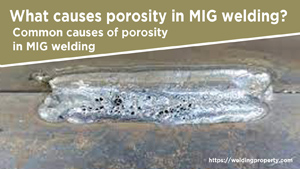
Metal Inert Gas (MIG) welding, also known as Gas Metal Arc Welding (GMAW), is one of the most popular welding methods in industries today. It involves the use of a continuously fed consumable wire electrode and an inert shielding gas to protect the weld pool from atmospheric contamination.
MIG welding is favored for its speed, efficiency, and ease of use, making it a go-to method for both beginners and professionals in various industries, from automotive repair to large-scale manufacturing.

Image by twi-global
While MIG welding has numerous advantages, it also has some limitations. In this blog post, we’ll explore both the advantages and disadvantages of MIG welding, helping you understand when and why it might be the right choice for your welding projects.
What Is Metal Inert Gas Welding?
MIG welding is an arc welding process that uses a consumable wire electrode that serves as both the heat source and filler material. The welding wire is fed through a welding gun, which also delivers a shielding gas (usually argon, helium, or a mixture of both) to protect the molten weld pool from contamination by atmospheric gases like oxygen and nitrogen.
This process is commonly used for welding both ferrous and non-ferrous metals, making it versatile and widely applicable in various industries. MIG welding is primarily used for metals such as steel, stainless steel, and aluminum, but it can also be adapted for other materials.
How MIG Welding Works
MIG welding follows these basic steps:
Arc Creation: An electric arc is generated between the wire electrode and the base material, creating the heat needed to melt both the wire and the base metal.
Shielding Gas: The shielding gas (inert or semi-inert) is released around the weld area, protecting it from atmospheric contamination.
Wire Feeding: The continuously fed wire electrode melts and fills the weld joint, ensuring the two base metals are joined together.
Weld Formation: As the molten metal cools, it solidifies to form a strong weld.
MIG welding offers high productivity because it can be performed continuously, which makes it ideal for large production runs and automated welding.
Advantages of Metal Inert Gas Welding
MIG welding offers several key advantages, making it one of the most widely used welding methods today. Here are some of the primary benefits:
Ease of Use
One of the most significant advantages of MIG welding is its ease of use. The process is semi-automated, meaning that the wire is fed continuously by the machine, and the welder only needs to focus on guiding the welding gun. This makes it a relatively simple welding technique to learn, particularly for beginners.
The automatic wire feed eliminates the need to constantly add filler material manually, unlike in TIG welding or stick welding. This ease of use makes MIG welding a popular choice for home hobbyists and small-scale fabricators, as well as for large-scale industrial operations.
High Welding Speed
MIG welding is known for its fast welding speed compared to other methods. The continuous wire feed and consistent arc allow welders to complete projects quickly, making it ideal for high-production environments.
The increased efficiency of MIG welding can significantly reduce the time spent on each weld, which is especially important in industries that require high throughput, such as automotive manufacturing, shipbuilding, and construction.
Versatility in Materials
MIG welding is highly versatile, capable of welding a wide range of materials, including both ferrous and non-ferrous metals. Common materials welded using MIG include:
- Mild steel
- Stainless steel
- Aluminum
- Copper
- Magnesium
- Nickel alloys
The process can be adapted to different materials by changing the type of shielding gas and electrode wire, allowing welders to tailor the welding process to specific applications.
Cleaner Welds with Less Post-Weld Cleanup
MIG welding produces less spatter and slag compared to other methods like stick welding. The shielding gas effectively protects the weld pool from contamination, resulting in cleaner welds that require minimal post-weld cleanup.
This is particularly important in applications where the aesthetics of the weld are critical, such as in automotive bodywork or custom metal fabrication. The lack of slag also reduces the need for grinding and polishing after the welding is completed, further saving time and effort.
Continuous Welding
Because the wire electrode is continuously fed into the weld, MIG welding can be performed continuously without stopping to replace the electrode or filler material. This results in less downtime, making MIG welding a more efficient option for large-scale projects that require long, uninterrupted welds.
The continuous process is also beneficial for welding in awkward or difficult-to-reach positions, where stopping to replace electrodes might be impractical.
Adaptability for Automated Welding
MIG welding can be easily adapted for use in automated welding systems. Robotic MIG welding is common in industries like automotive manufacturing, where speed and consistency are essential.
Automation reduces the need for manual labor, increases productivity, and ensures consistent, high-quality welds. The ability to integrate MIG welding into automated systems makes it a key component in mass production operations.
Disadvantages of Metal Inert Gas Welding
While MIG welding has many advantages, it is not without its drawbacks. Here are some of the disadvantages that should be considered before using this method:
Higher Equipment Costs
MIG welding equipment tends to be more expensive than other welding setups, such as stick or flux-cored welding. The machine itself, along with the wire feeder, shielding gas tanks, and necessary consumables, represents a significant initial investment. For small businesses or hobbyists, the cost of setting up a MIG welding system can be a barrier.
In addition to the upfront equipment cost, the ongoing expense of shielding gas and consumable wire can also add up over time, increasing the overall cost of the welding process.
Limited Portability
MIG welding machines, gas cylinders, and the associated equipment are typically bulky and less portable than other welding systems. This makes MIG welding less suitable for fieldwork or locations without easy access to power and gas.
For jobs in remote locations or outdoor environments, stick or flux-cored welding, which require less equipment, might be a better choice. Portability can be further restricted by the need for a stable, clean power source, which is not always available in all job sites.
Requires a Clean Work Surface
One of the disadvantages of MIG welding is its sensitivity to contamination. The process requires a clean work surface, free from rust, dirt, oil, or grease, for optimal results. Contaminants on the surface of the material can cause defects in the weld, such as porosity, weak joints, or cracking.
Before starting the welding process, the base material must be thoroughly cleaned, which adds an extra step to the workflow. Other welding processes, like stick welding, are more tolerant of dirty or rusty surfaces.
Not Ideal for Outdoor Welding
MIG welding is not well-suited for outdoor environments due to the use of shielding gas, which can be easily blown away by wind. If the shielding gas is disrupted, the weld will be exposed to atmospheric gases, leading to contamination and poor-quality welds.
This makes MIG welding less effective for outdoor work or in windy conditions unless precautions are taken, such as using windshields or working in enclosed areas. Welding methods like stick welding or flux-cored arc welding, which don’t rely on shielding gas, are better suited for outdoor applications.
Limited to Thinner Materials
While MIG welding is versatile in terms of the types of materials it can weld, it is less effective for very thick materials. For thicker materials, the heat generated by MIG welding may not provide sufficient penetration, leading to weaker welds. In such cases, alternative methods like stick welding or TIG welding may be more appropriate.
For industries that deal with thick, structural steel components, MIG welding may not be the best option, particularly for projects requiring deep penetration and strong welds.
Requires Skilled Operation for Optimal Results
Although MIG welding is relatively easy to learn, producing high-quality welds consistently still requires skill and experience. Novice welders may struggle with issues like maintaining the correct wire feed speed, ensuring proper shielding gas coverage, or achieving the right welding angle.
Inconsistent wire feed rates or incorrect torch placement can result in defects like undercutting, porosity, or incomplete fusion. While MIG welding is more forgiving than some other welding methods, it still requires proper technique and training to produce strong, reliable welds.
Comparison of Advantages and Disadvantages
| Aspect | Advantages | Disadvantages |
|---|---|---|
| Ease of Use | Easy to learn, semi-automated process | Still requires skill for optimal results |
| Welding Speed | Fast welding speeds suitable for high-volume production | Not ideal for very thick materials |
| Material Versatility | Can weld a wide variety of metals, including ferrous and non-ferrous | Sensitive to surface contaminants |
| Portability | Suitable for indoor welding projects | Less portable due to bulky equipment and shielding gas |
| Weld Quality | Clean welds with minimal spatter or slag | Not suitable for outdoor welding in windy conditions |
| Continuous Welding | Continuous wire feed reduces downtime | Higher equipment and operational costs |
| Automation | Easily adaptable to robotic welding systems | Requires access to a stable power source |
When to Use MIG Welding
Given the advantages and disadvantages, MIG welding is best suited for the following situations:
High-Production Environments: When speed and efficiency are crucial, such as in automotive manufacturing or large-scale metal fabrication.
Indoor Welding: For welding projects carried out indoors or in controlled environments where wind and other elements will not disrupt the shielding gas.
Versatility with Materials: For projects requiring the welding of a variety of metals, including mild steel, stainless steel, and aluminum.
Beginners and Hobbyists: For those new to welding, MIG welding is relatively easy to learn and offers fast, consistent results.
When Not to Use MIG Welding
MIG welding may not be the best option in the following scenarios:
Fieldwork or Remote Locations: The need for shielding gas and power makes MIG welding less practical for outdoor or remote job sites.
Very Thick Materials: For welding thick structural components or heavy materials, other methods like stick or TIG welding are more effective.
Outdoor Welding: In environments where wind or weather could disrupt the shielding gas, stick welding or flux-cored arc welding may be a better choice.
Conclusion
MIG welding is a versatile, efficient, and widely used welding method that offers several advantages, including ease of use, fast welding speeds, and the ability to weld a wide range of materials. It also comes with some limitations, such as higher equipment costs, limited portability, and sensitivity to environmental conditions.
By understanding the advantages and disadvantages of MIG welding, you can make an informed decision about whether this process is the right choice for your welding projects.