Are you frustrated with your MiG welds not penetrating properly? Don’t worry, we’ve got you covered! In this article, we will discuss some common issues that may cause MiG welds to lack penetration and provide practical solutions to fix them.
If you’re a professional welder or a DIY enthusiast, understanding the reasons behind this problem and learning how to solve it will greatly enhance the quality and strength of your welds. From improper settings to incorrect technique, there are several factors that can contribute to poor penetration.
By addressing these issues and making the necessary adjustments, you’ll be able to achieve strong and durable welds that meet your expectations.
So, if you’re tired of welds that don’t go deep enough, stick around and discover the tips and tricks to fix MiG weld not penetrating. Get ready to take your welding skills to the next level!

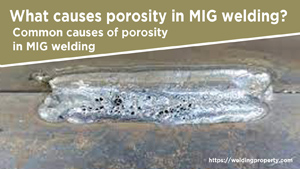
Photo by KevincaronSculpture, YT
What is MiG welding?
MiG welding, also known as Metal Inert Gas welding or Gas Metal Arc Welding (GMAW), is a popular welding technique commonly used in various industries. It involves the use of a consumable wire electrode that is fed through a welding gun and melted to create a weld pool.
The weld pool is then protected from contamination by an inert gas, typically argon or a mixture of argon and carbon dioxide. MiG welding is known for its versatility and ability to join a wide range of metals, making it a preferred choice for many applications.
Problem of weld not penetrating
When it comes to MiG welding, one of the most crucial aspects is achieving proper weld penetration. Weld penetration refers to the depth to which the weld material penetrates into the base metal. Insufficient penetration can result in weak and unreliable welds that are prone to failure.
It is essential to understand the causes behind this problem and implement the necessary solutions to ensure strong and durable welds.
Causes of MiG weld not penetrating
Several factors can contribute to poor weld penetration in MiG welding. Let’s take a closer look at some common causes:
Improper welding parameters
One of the primary reasons for insufficient weld penetration is incorrect welding parameters. Parameters such as voltage, wire feed speed, and gas flow rate play a crucial role in controlling the heat input and penetration depth.
If these parameters are not set correctly, the weld may not penetrate adequately. For example, low voltage or wire feed speed can result in a weak weld with shallow penetration, while excessively high settings can lead to excessive spatter and burn-through.
Inadequate preparation and cleaning of the base metal
Another factor that can affect weld penetration is insufficient preparation and cleaning of the base metal. Before welding, it is essential to remove any dirt, rust, paint, or other contaminants from the surface of the metal. Failure to do so can create barriers that prevent proper fusion between the weld and the base metal, resulting in poor penetration.
Incorrect filler material and wire size
Using the wrong filler material or wire size can also contribute to inadequate weld penetration. The filler material should be compatible with the base metal and have sufficient alloy content to ensure proper fusion and penetration.
Using a wire that is too thin or too thick for the application can negatively impact the penetration depth. It is crucial to select the appropriate filler material and wire size based on the specific welding requirements.
Mistakes that lead to poor penetration
Now that we’ve identified some of the causes of poor weld penetration, let’s explore some common mistakes that welders make, which can further exacerbate the problem:
Incorrect gun angle and travel speed
The angle at which the welding gun is held and the speed at which it is moved can significantly impact weld penetration. Holding the gun too vertically or moving too quickly can result in shallow penetration, as the heat is not concentrated enough to melt the base metal adequately.
Holding the gun too horizontally or moving too slowly can lead to excessive heat input and burn-through. Finding the right balance between gun angle and travel speed is crucial for achieving optimal penetration.
Insufficient preheating
Preheating the base metal before welding can help improve penetration, especially when working with thicker materials or those with high thermal conductivity. Preheating raises the temperature of the metal, making it easier for the weld pool to fuse with the base metal. Failure to preheat when necessary can result in inadequate penetration and weak welds.
Inadequate shielding gas coverage
The shielding gas used in MiG welding is essential for protecting the weld pool from atmospheric contamination. Insufficient gas coverage can lead to incomplete fusion and poor penetration. It is crucial to ensure that the gas flow rate and nozzle position are set correctly to provide adequate shielding and prevent contamination.
How to fix MiG weld not penetrating?
Now that we have identified the causes and common mistakes that contribute to poor weld penetration, let’s explore some practical solutions to fix this issue:
Adjusting the welding parameters
Start by reviewing and adjusting the welding parameters. Consult the welding machine’s manual or seek advice from experienced welders to determine the optimal settings for the specific application. Make gradual adjustments to the voltage, wire feed speed, and gas flow rate to find the sweet spot that provides adequate penetration without compromising the quality of the weld.
Proper preparation and cleaning of the base metal
Ensure that the base metal is thoroughly cleaned and prepared before welding. Use appropriate cleaning methods such as wire brushing, grinding, or chemical cleaning to remove any contaminants. This will ensure proper fusion and penetration between the weld and the base metal.
Using the correct filler material and wire size
Select the appropriate filler material and wire size based on the specific welding requirements. Consult welding charts or seek expert guidance to determine the most suitable options for the materials being welded. Using the right filler material and wire size will help ensure optimal fusion and penetration in the weld.
Techniques to improve weld penetration
Implement proper welding techniques to enhance penetration. Maintain a consistent gun angle, typically between 5 and 15 degrees, and adjust the travel speed accordingly. Experiment with different techniques such as weaving or oscillating the gun to distribute the heat evenly and improve fusion. Practice these techniques on scrap materials before applying them to critical welds.
Conclusion and troubleshooting tips
Achieving proper weld penetration in MiG welding is crucial for creating strong and reliable welds. By addressing the causes of poor penetration and implementing the suggested solutions, you can significantly improve the quality and strength of your welds.
Remember to adjust the welding parameters, prepare and clean the base metal adequately, use the correct filler material and wire size, and employ proper welding techniques. Troubleshoot any issues that may arise and seek guidance from experienced welders if needed.
With practice and attention to detail, you’ll be able to fix MiG weld not penetrating and take your welding skills to the next level!