If you’re exploring the world of welding or aiming to brush up on your skills, MIG welding mild steel is a fantastic starting point. It’s one of the most approachable welding processes and is widely used for its versatility and clean results.
I remember the first time I picked up a MIG welder – I had a mix of excitement and nerves, but with a little guidance, the process soon became straightforward and enjoyable.
If you’re a beginner or have some experience, I’m here to walk you through everything you need to know about MIG welding mild steel, from setup to techniques and best practices.
I’ll cover each essential aspect step-by-step. By the end, you’ll be more confident in handling your MIG welder and ready to take on your next project with ease.

Image by millerwelds
What is MIG Welding?
MIG (Metal Inert Gas) welding, also known as GMAW (Gas Metal Arc Welding), is a process that uses a continuously fed wire electrode and shielding gas to join metal pieces together. The process is simple in concept and easy to learn, which makes it popular among DIY enthusiasts and professionals alike.
Why Choose MIG Welding for Mild Steel?
MIG welding is a great option for mild steel because it:
- Produces Clean Welds: Minimal spatter, especially when done correctly.
- Easy to Learn: Great for beginners as it requires less finesse than TIG welding.
- Efficient: Allows for quicker welding times with fewer stops to adjust electrodes.
For mild steel, MIG welding is especially effective due to the steel’s compatibility with the MIG process, making it a go-to for many fabrication projects.
Mild Steel and Its Properties
Before we dive into the welding process, it’s helpful to understand what mild steel is. Mild steel is a type of low-carbon steel, meaning it has a lower percentage of carbon content compared to other steels. This makes it:
- Ductile and Easy to Work With: Great for bending, cutting, and welding.
- Affordable: Often more cost-effective than higher-carbon steels.
- Widely Used: Common in automotive, construction, and various fabrication projects.
Knowing these characteristics helps in understanding why mild steel is so commonly used in MIG welding.
Setting Up Your MIG Welder for Mild Steel
A good setup is key to successful MIG welding. Here’s a quick rundown of the main components you’ll need and the steps to set up your welder.
Required Equipment
- MIG Welder: Choose one with adjustable settings to control voltage, amperage, and wire speed.
- Mild Steel Wire: ER70S-6 is a popular wire type for mild steel.
- Shielding Gas: Typically, a mix of 75% argon and 25% CO2 works best for mild steel.
- Protective Gear: Always wear a welding helmet, gloves, and a long-sleeved jacket.
Steps to Set Up
Set Voltage and Amperage: Voltage affects the weld penetration, while amperage determines the heat. For mild steel, start with a moderate setting and adjust based on thickness.
Adjust Wire Speed: Too fast can cause spatter; too slow may lead to burn-through. Find a balance that gives a smooth, even arc.
Check Gas Flow: Aim for around 20-25 cubic feet per hour (CFH) to provide adequate shielding without excessive waste.
Choosing the Right MIG Welding Settings for Mild Steel
The settings on your MIG welder will depend on the thickness of your mild steel. Here’s a basic guideline:
| Thickness of Mild Steel | Voltage Setting | Wire Speed (in/min) | Amperage |
|---|---|---|---|
| 1/16 inch | 15-16 volts | 180-200 | 60-80 |
| 1/8 inch | 17-18 volts | 210-240 | 100-130 |
| 1/4 inch | 18-19 volts | 240-270 | 140-170 |
This is a general starting point – always make small adjustments based on your specific welder model and the weld quality.
Techniques for MIG Welding Mild Steel
Getting the technique right takes practice, but here are a few methods that can help you create smooth, strong welds.
T-Join or Butt Weld
These are two common weld types you’ll encounter. For mild steel, ensure the edges are clean and aligned properly before starting.
Holding the Gun at the Right Angle
The ideal angle is around 10-15 degrees, with a slight push method if you’re going for a cleaner finish. Pulling might give more penetration but can lead to more spatter on mild steel.
Creating a Consistent Welding Pool
A steady hand and even travel speed are key. Move consistently across the joint, allowing the arc to form a smooth pool. This pool is what fills the joint and creates a solid weld.
Avoiding Common Issues
For example:
- Spatter: Check your wire speed or reduce your amperage.
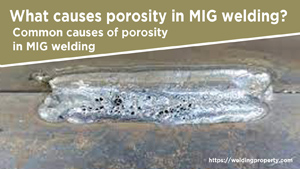
- Porosity: Often due to poor shielding gas coverage – make sure your gas flow is steady and that you’re in a sheltered environment if welding outdoors.
Safety Tips for MIG Welding Mild Steel
Safety is a big priority with welding. Here’s what I always make sure of:
- Wear a Helmet with Proper Shade: Protect your eyes from the bright arc and UV rays.
- Ventilate the Area: Shielding gases can displace oxygen, so ensure there’s good ventilation, especially if you’re indoors.
- Gloves and Protective Clothing: Sparks can burn your skin, so wearing flame-resistant gloves and a long-sleeved jacket is essential.
Advantages and Disadvantages of MIG Welding Mild Steel
To give you a quick overview, here are some pros and cons of MIG welding mild steel.
| Advantages | Disadvantages |
|---|---|
| Clean welds with minimal spatter | Equipment can be expensive initially |
| Faster process than other methods | Requires shielding gas supply |
| Suitable for a range of projects | Less portable compared to stick welding |
Knowing these advantages and disadvantages helps in deciding if MIG welding is the best choice for your mild steel projects.
Conclusion
MIG welding mild steel is an accessible, versatile process that can yield great results with the right setup and practice. From setting up your welder with appropriate voltage and wire speed to maintaining a steady hand for clean welds, there’s a rhythm to it that becomes easier with each session.
Once you’re comfortable with the basics, you’ll find that MIG welding opens up a world of possibilities for metal fabrication. With the right technique, proper safety measures, and some patience, you can achieve strong, aesthetically pleasing welds on mild steel.
FAQs
What is the best wire type for MIG welding mild steel?
For mild steel, ER70S-6 is a popular choice. It works well with mild steel’s properties, producing strong and clean welds.
Why does my weld look porous?
Porosity often results from poor gas coverage or contamination on the metal surface. Make sure your shielding gas is flowing well, and clean the metal before welding.
Can I use CO2 alone for shielding gas?
Yes, pure CO2 can be used, and it’s cheaper. It may create more spatter than a 75% argon and 25% CO2 mix, which gives a cleaner weld on mild steel.
What’s the best way to avoid spatter?
Check your wire speed, amperage, and gas flow settings. Starting with a clean surface also helps reduce spatter.
How thick can I weld with MIG on mild steel?
MIG welding is effective up to around 1/2 inch in thickness. For thicker steel, consider multiple passes or another welding method like stick welding.