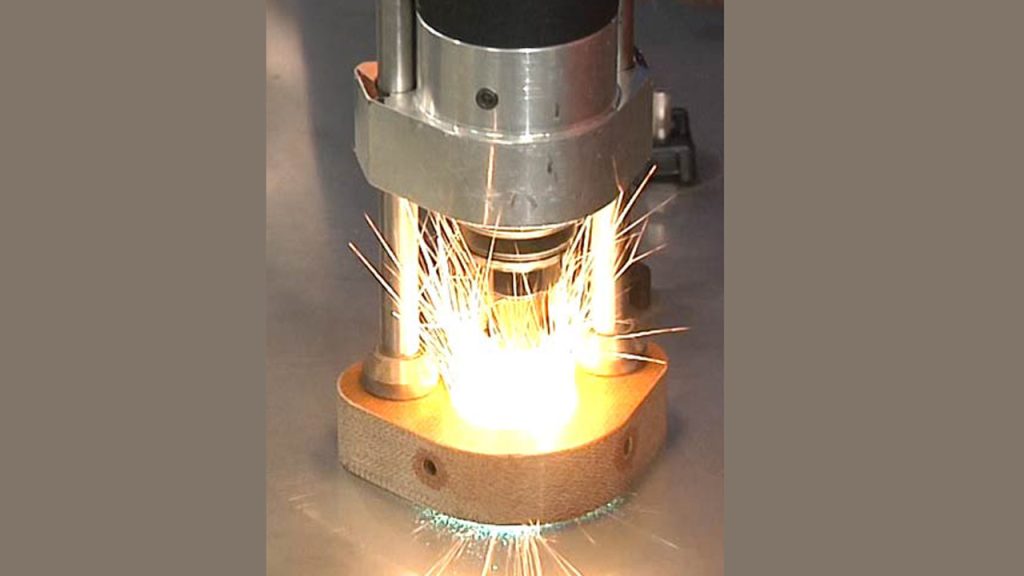
When I first started working with welding, one of the most challenging aspects was understanding the strength of the base material after welding.

Image by blog.red-d-arc.com
If you’re reading this, you’re probably in the same boat I was in—wondering how to make sure that your welds are strong and safe enough for the job.
Calculating weld base material strength isn’t just an important technical skill; it’s a crucial step in ensuring the reliability of your projects.
I’ll break down the process in simple, easy-to-follow steps. I’ll also share some insights I’ve learned through experience about factors that can influence base material strength, common mistakes to avoid, and tools you can use to simplify the calculations. You’ll have a solid understanding of how to confidently evaluate weld base material strength.
Why Calculating Weld Base Material Strength Matters
The strength of the base material is critical because it determines the structural integrity of the weld joint. In any welded structure—whether it’s a bridge, a pressure vessel, or even a simple metal frame—the strength of the base material and the weld must work together to handle stress and loads.
If the base material is too weak or poorly matched with the welding method, it can lead to failure. Calculating weld base material strength helps ensure:
- Safety: Prevents catastrophic failures.
- Efficiency: Avoids over-engineering, saving time and resources.
- Durability: Ensures the weld joint will last under expected conditions.
Factors That Influence Weld Base Material Strength
Several factors come into play when assessing the strength of the weld base material:
Base Material Type
The type of metal being welded (e.g., steel, aluminum, stainless steel) determines its inherent properties like tensile strength, hardness, and ductility.
Heat Input
Welding generates heat that can alter the microstructure of the base material, weakening it in some cases. Proper heat management is essential.
Weld Design
The design of the weld joint—such as butt, lap, or T-joint—affects how stresses are distributed across the base material.
Post-Weld Treatment
Processes like stress-relieving or heat treatment can improve base material strength by reducing residual stresses or refining grain structure.
Step-by-Step Guide to Calculate Weld Base Material Strength
Now let’s get into the nitty-gritty of calculating weld base material strength. Here’s how I approach it.
Step 1: Determine the Base Material Properties
The first step is to gather data about the base material. Look for:
- Tensile Strength (TS): The maximum stress the material can withstand before breaking.
- Yield Strength (YS): The stress at which the material begins to deform plastically.
- Shear Strength (SS): The stress the material can endure before shearing.
You can find these values in material specification sheets or engineering reference guides.
Step 2: Identify the Weld Area
The weld area is the physical size of the weld, which directly impacts its strength. For most calculations, the weld area is measured in square inches or square millimeters.
To calculate weld area:
- Butt Weld: Multiply the weld length by the weld throat thickness.
- Fillet Weld: Use the formula A=0.707×a×LA, where aaa is the weld leg size and LLL is the weld length.
Step 3: Calculate the Load the Weld Will Experience
Determine the expected load (force) on the weld joint. This is typically measured in pounds (lbs) or newtons (N). Consider static, dynamic, and impact loads depending on the application.
Step 4: Apply the Strength Formula
Once you have the weld area and the material’s tensile or shear strength, use this formula to calculate the weld base material strength:
Weld Strength=Weld Area×Material Strength
For example:
- Weld Area: 2 square inches
- Material Tensile Strength: 50,000 PSI
- Weld Strength: 2×50,000=100,000 lbs2×50,000=100,000lbs
Step 5: Add a Safety Factor
Always include a safety factor to account for uncertainties. A typical safety factor is 1.5 to 3, depending on the application’s criticality. Divide the calculated strength by the safety factor to determine the allowable strength.
Tools for Calculating Weld Strength
If you’re like me and want to simplify the process, there are some tools that can help:
- Welding Calculators: Many online calculators are tailored for specific welding scenarios.
- Finite Element Analysis (FEA) Software: For complex projects, FEA can simulate stress distribution and predict weld performance.
- Material Testing Equipment: For hands-on verification, tools like tensile testers or hardness testers are invaluable.
A Practical Example of Weld Base Material Strength Calculation
To put it all together, let’s walk through a real-world example.
Imagine you’re welding a steel frame for a heavy-duty shelf. The frame will support a maximum load of 500 lbs, and the steel you’re using has a tensile strength of 60,000 PSI.
Determine the Weld Area
Let’s say your weld is a fillet weld with a leg size of 0.25 inches and a length of 4 inches. Using the formula:
A=0.707×a×L
A=0.707×0.25×4=0.707 square inches
Calculate the Weld Strength
Weld Strength=Weld Area×Tensile Strength
Weld Strength=0.707×60,000=42,420 lbs
Apply a Safety Factor
Using a safety factor of 2:

The weld is more than sufficient for the 500 lbs load!
Tips for Ensuring Accurate Calculations
Here are a few things I’ve learned over the years to improve accuracy when calculating weld base material strength:
- Use Reliable Data: Always refer to trusted sources for material properties.
- Account for Real-World Conditions: Consider factors like temperature, corrosion, and fatigue that may weaken the material over time.
- Double-Check Your Measurements: Even small errors in weld area or load estimates can lead to incorrect conclusions.
- Consult an Engineer for Critical Projects: When safety is on the line, it’s always better to get a second opinion.
Comparing Weld Joint Types and Their Strength
Different weld joints distribute stress differently, affecting their base material strength. Here’s a quick comparison:
| Weld Joint Type | Strength Characteristics | Applications |
|---|---|---|
| Butt Joint | High strength if properly prepared and penetrated | Structural frames, pipelines |
| Fillet Joint | Versatile but weaker than butt joints | Brackets, reinforcements |
| Lap Joint | Good for shear loads but prone to peeling forces | Automotive panels, sheet metal |
| T-Joint | Strong under compression but weak in bending | Frameworks, equipment supports |
Mistakes to Avoid When Calculating Weld Strength
When I first started calculating weld strength, I made some common mistakes that led to inaccuracies. Here are a few pitfalls to watch out for:
- Ignoring Heat-Affected Zone (HAZ): The HAZ can weaken the base material if not properly managed.
- Using Incorrect Material Data: Double-check that you’re using values specific to your material grade.
- Skipping the Safety Factor: Underestimating the safety factor can result in unsafe designs.
- Overlooking Joint Geometry: The shape and size of the weld joint play a critical role in strength.
Conclusion
Calculating weld base material strength is an essential skill for any welder or engineer working on structural projects. It might seem intimidating at first, but with practice and attention to detail, it becomes second nature.
By understanding the factors that influence weld strength and following a systematic approach, you can ensure that your projects are not only strong but also safe and durable.
Every weld tells a story, and taking the time to calculate its strength adds confidence to your craftsmanship.
FAQs
What is the difference between tensile strength and yield strength?
Tensile strength is the maximum stress a material can withstand before breaking, while yield strength is the stress at which it begins to deform permanently.
Why is the heat-affected zone important in weld strength calculations?
The heat-affected zone (HAZ) can alter the microstructure of the base material, potentially reducing its strength. Accounting for this ensures accurate calculations.
What’s the easiest way to measure weld area?
For simple welds, use calipers to measure the leg size and length. For complex geometries, refer to welding standards or guidelines.
How do I choose a safety factor?
Choose a safety factor based on the application’s criticality. High-risk applications like bridges or pressure vessels may require a safety factor of 3 or more.
Can weld strength exceed base material strength?
Yes, welds can be stronger than the base material if the filler material and welding process are carefully selected.
How does post-weld treatment improve strength?
Processes like stress-relieving or heat treatment reduce residual stresses and refine grain structure, improving overall strength.