
Waiting on a repair to cure can feel longer than the job itself—especially when you’ve got a part clamped up and can’t move forward until it sets. I’ve had pieces sitting on the bench, perfectly aligned, but completely useless until the epoxy hardened.
That’s when figuring out How to Make JB Weld Dry Quicker becomes more than just convenience—it’s about keeping your workflow moving.
In real shop use, JB Weld is strong and reliable, but it’s not known for being fast. Temperature, mixing, surface prep, and even how thick you apply it can all affect cure time. Rush it the wrong way, and you risk weakening the bond or ending up with a repair that fails under stress.
Speeding up cure time the right way can save hours without sacrificing strength. In this guide, I’ll walk you through practical methods I’ve used in the shop to get JB Weld to set faster—without cutting corners that come back to bite you later.
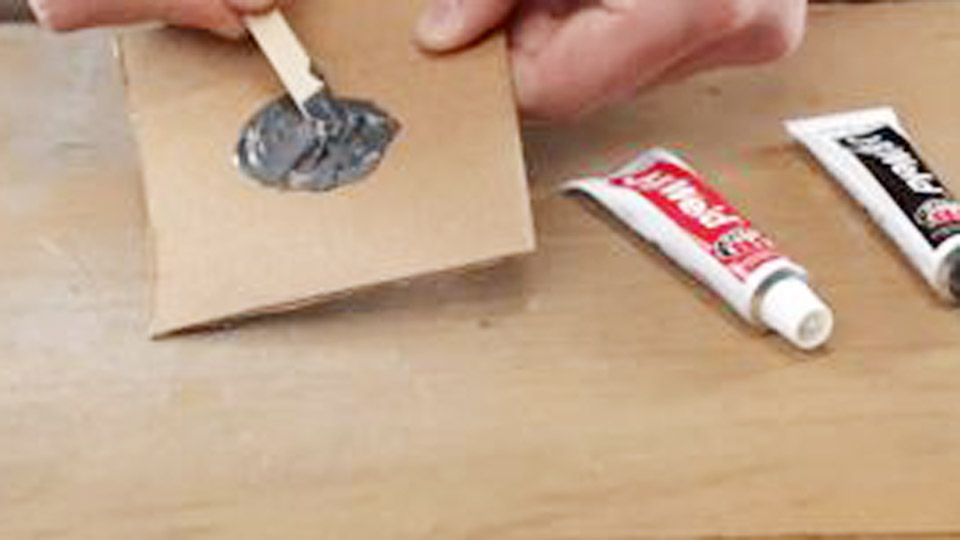
Image by jbweld
Understanding Jb Weld: How Does It Dry?
Before learning how to make JB Weld dry quicker, it helps to understand how it works. JB Weld is a two-part epoxy. There’s a resin and a hardener. When you mix them, a chemical reaction starts. This is called curing, not just drying. Curing forms a strong, solid bond.
Most standard JB Weld products need about 4–6 hours to set and 15–24 hours to fully cure. Temperature, humidity, and how thick you apply it all affect the speed. If you try to speed it up without understanding these factors, you can weaken the joint or make the epoxy brittle.
Here’s a quick comparison of standard JB Weld curing times and conditions:
| Product | Set Time | Full Cure Time | Ideal Temperature |
|---|---|---|---|
| JB Weld Original | 4–6 hours | 15–24 hours | 20–27°C (68–80°F) |
| JB KwikWeld | 6 minutes | 3–4 hours | 20–27°C (68–80°F) |
| JB MarineWeld | 4–6 hours | 15–24 hours | 20–27°C (68–80°F) |
You’ll notice that temperature is key. JB Weld works best in warm conditions. Cold slows curing, while excess heat may cause problems. Next, let’s get practical about speeding up the process.
Factors That Affect Jb Weld Drying Time
To make JB Weld dry quicker, you need to know what slows it down. Here are the main factors:
- Temperature: Epoxy cures faster in warm air. Below 20°C (68°F), curing slows a lot.
- Humidity: High humidity can slow cure, while low humidity speeds it up.
- Mix Ratio: Incorrect mixing means weak or slow curing.
- Thickness: Thicker layers take longer to cure.
- Surface Prep: Dirty, oily, or rusty surfaces delay bonding and curing.
Let’s compare curing times for different temperatures:
| Room Temperature | Set Time | Full Cure Time |
|---|---|---|
| 10°C (50°F) | 8–10 hours | 30–36 hours |
| 20°C (68°F) | 4–6 hours | 15–24 hours |
| 30°C (86°F) | 2–3 hours | 8–12 hours |
If you want faster curing, focus on temperature and layer thickness. But never use extreme heat or apply thick blobs.
Practical Ways To Make Jb Weld Dry Quicker
Now for the part you came for: how to actually make JB Weld dry faster. You’ll find both simple tricks and expert advice here. Each method comes with clear steps and warnings, so you don’t risk a weak bond.
1. Warm Up The Room
JB Weld cures best at 20–27°C (68–80°F). If your workspace is cold, use a space heater or heat lamp to raise the temperature. Keep the air moving, but don’t blow dust.
- Set up a heater 1–2 meters away.
- Aim for steady warmth, not hot blasts.
- Never point the heater directly at the epoxy.
Tip: Slow, gentle warming is safer than sudden heat. Rapid heating can cause bubbles or cracks.
2. Use A Heat Lamp
A heat lamp is ideal for local warmth. Place it about 30–50 cm (12–20 inches) from your repair. Keep it steady—don’t move the lamp around.
- Check the surface temperature with a thermometer.
- Don’t let the epoxy go over 49°C (120°F).
- Too much heat may make the bond brittle.
Insight: Beginners often use hair dryers, but they blow too hard and unevenly. Heat lamps are safer and more controlled.
3. Apply Thin Layers
Epoxy cures from the outside in. If you use a thick blob, the inside stays soft for hours. Applying thin layers makes the curing quicker and even.
- Spread JB Weld in a thin, even coat.
- If you need a thick repair, build up in layers.
- Let each layer cure before adding the next.
Common Mistake: Many people try to fix big gaps in one go. This slows curing and weakens the joint.
4. Mix Thoroughly
JB Weld relies on the right mix ratio (1:1). If you don’t mix well, curing slows or fails.
- Use a clean stick or spatula.
- Mix for at least 60 seconds, until color is uniform.
- Scrape the sides and bottom as you mix.
Example: If your JB Weld is gray but streaky, it’s not mixed enough. Unmixed epoxy won’t cure quickly.
5. Pre-heat Surfaces
If your parts are cold, the epoxy will cure slow. You can pre-heat the surfaces gently before applying JB Weld.
- Use a hair dryer on low, or a warm cloth.
- Warm to about 30°C (86°F).
- Don’t overheat—too hot can warp or damage.
Bonus Tip: Warming metal or plastic makes the bond stronger as well as faster.
6. Use Fast-cure Jb Weld Products
JB Weld makes special formulas like KwikWeld and MinuteWeld. These are designed for quick curing.
- KwikWeld sets in 6 minutes, cures in 3–4 hours.
- MinuteWeld sets in 1 minute, cures in 1 hour.
Data: Fast-cure products are up to 6x quicker than standard JB Weld. Check the packaging for cure times.
7. Keep Humidity Low
Epoxy cures faster in dry air. If your workspace is humid, use a dehumidifier or air conditioner.
- Aim for below 60% humidity.
- Avoid wet basements or rainy days.
Insight: High humidity slows curing and can cause cloudy or weak bonds.
8. Improve Ventilation
Good air flow helps epoxy cure. Open windows or use a fan nearby (not blowing directly on the repair).
- Keep air moving gently.
- Don’t aim air at the epoxy.
Why: Epoxy releases fumes as it cures. Good ventilation clears fumes and helps curing speed.
9. Avoid Over-mixing
While mixing is important, over-mixing can introduce air bubbles. These slow down curing and weaken the bond.
- Mix until uniform, then stop.
- Don’t whip or stir too fast.
Example: Bubbles trapped in epoxy take longer to cure.
10. Use A Uv Lamp (if Product Allows)
Some newer JB Weld products cure with UV light. If you have UV-cure JB Weld, use a UV lamp.
- Follow the product instructions.
- Cure times can be under 1 hour.
Warning: Standard JB Weld doesn’t cure with UV—only special formulas.
11. Use Smaller Quantities
If possible, use small amounts of epoxy at a time. Large batches cure slower.
- Mix only what you need.
- Apply quickly after mixing.
Fact: The more you mix, the slower it cures.
12. Choose The Right Surface
JB Weld cures fastest on clean, dry, and rough surfaces. Smooth, oily, or wet surfaces slow curing.
- Clean with alcohol or acetone.
- Sand lightly for best results.
Tip: Surface prep is often skipped by beginners—don’t make this mistake.
13. Keep Out Of Direct Sun
Some people think sun speeds curing. Actually, direct sun can cause uneven heating and cracks.
- Cure in shade or indoors.
- Use controlled heat sources.
Insight: Sunlight can cause JB Weld to yellow or weaken.
14. Monitor Temperature And Humidity
Use a thermometer and hygrometer to track conditions. Adjust as needed for best curing speed.
- Ideal temperature: 20–30°C (68–86°F)
- Ideal humidity: Below 60%
Non-obvious tip: Small changes matter—a few degrees warmer can cut cure time by hours.
15. Don’t Touch Before Set
If you poke or move the epoxy before it’s set, you disturb curing. This slows the process and weakens the bond.
- Wait for the set time before testing.
- Avoid moving repaired parts.
Mistake: Many people touch too soon, thinking it’s dry. Always wait the full set time.
16. Use Aluminum Foil For Heat Reflection
If you’re curing in a cold room, you can use aluminum foil to reflect heat onto the repair.
- Place foil behind the repair area.
- Aim your heat lamp at the foil.
Bonus: This technique is used by professionals for faster curing.
17. Avoid Water Exposure
JB Weld cures slower if exposed to water or dampness during setting.
- Keep parts dry.
- Don’t cure in bathrooms or outdoors when rainy.
Data: Wet curing can double the cure time.
18. Apply Light Pressure
Light pressure during curing keeps the epoxy in contact with both surfaces. Use clamps or weights.
- Don’t squeeze too hard.
- Remove clamps once set.
Why: Good contact helps cure speed and bond strength.
19. Allow Extra Time For Large Repairs
If your repair is big, even with all tricks, you may need more time. Plan ahead and cure in stages.
- Apply thin layers.
- Cure each layer before adding more.
Tip: Patience is key for strong, fast repairs.
20. Check Cure Progress With A Toothpick
To avoid guessing, use a toothpick to gently check the edge of the epoxy.
- If it’s firm, curing is underway.
- If it’s soft, give more time.
Non-obvious insight: Don’t check the center—always test the edge, which cures first.
Real-world Example: Faster Jb Weld Repair
Let’s look at a real example. Imagine you need to fix a cracked metal bracket. You want it ready in 6 hours, not 24.
Steps:
- Clean and sand the bracket.
- Pre-heat the surface to 30°C (86°F).
- Mix JB Weld thoroughly, but not too much.
- Apply a thin layer, clamp gently.
- Use a heat lamp 15 inches away.
- Monitor temperature—keep at 27°C (80°F).
- Check humidity—keep below 60%.
- Wait 4 hours, check with toothpick.
Result: The bracket is firm and cured enough for light use in 4–6 hours, instead of 24.
Common Mistakes When Trying To Speed Up Drying
Trying to make JB Weld dry quicker can lead to trouble. Avoid these mistakes:
- Using too much heat (over 49°C/120°F)
- Applying thick blobs instead of thin layers
- Not mixing thoroughly, causing slow cure
- Using in humid or wet conditions
- Touching or moving before set time
- Using hair dryers—blows dust and uneven heat
Insight: Most failures come from rushing. A few minutes saved can mean hours lost later.
Comparing Jb Weld With Other Epoxies
How does JB Weld’s drying speed compare to other brands? Here’s a quick look:
| Brand | Set Time | Full Cure Time | Strength (psi) |
|---|---|---|---|
| JB Weld Original | 4–6 hours | 15–24 hours | 3960 |
| Loctite Epoxy | 5 minutes | 1 hour | 3200 |
| Gorilla Epoxy | 5 minutes | 1 hour | 3300 |
| Devcon Epoxy | 30 minutes | 8–16 hours | 2500 |
JB Weld is slower than some, but offers higher strength. If speed is your priority, consider fast-cure versions or alternative brands.
Professional Tips For Best Results
You’ve learned the basics. Here are professional tips for making JB Weld dry quicker and stronger:
- Use a digital thermometer to monitor temperature.
- Always prep surfaces—clean, sand, and dry.
- Warm surfaces before applying epoxy.
- Apply in thin layers—never thick.
- Use clamps for good contact, but not too tight.
- Cure in a dry, ventilated area.
- Avoid touching or disturbing until set.
- If in doubt, give extra time before use.
Non-obvious insight: Professionals often cure epoxy overnight with heat lamps for perfect results.
Safety When Speeding Up Jb Weld Cure
It’s easy to focus on speed, but safety is important. JB Weld gives off fumes during curing. Always work in a well-ventilated area. Don’t use open flames or extreme heat. Wear gloves and wash hands after handling epoxy.
If you use heat lamps or heaters, keep them away from flammable materials. Never leave them unattended.
Frequently Asked Questions
How Long Does Jb Weld Take To Dry Normally?
Standard JB Weld sets in 4–6 hours and fully cures in 15–24 hours. Fast-cure products like KwikWeld set in 6 minutes and cure in 3–4 hours.
Can I Use A Hair Dryer To Speed Up Jb Weld Drying?
You can use a hair dryer on low, but it’s not ideal. Hair dryers blow air unevenly and may cause dust or bubbles. A heat lamp or gentle room heating works better.
Does Cold Weather Affect Jb Weld Drying Time?
Yes. Cold slows curing a lot. At 10°C (50°F), JB Weld may take twice as long to cure. Try to keep your workspace at 20–30°C (68–86°F) for best results.
Will Jb Weld Cure Faster In Sunlight?
No. Direct sunlight can cause uneven heating, yellowing, or cracks. Controlled warmth indoors is safer and more effective.
Is There A Way To Make Jb Weld Cure Instantly?
No epoxy cures instantly. The fastest JB Weld product, MinuteWeld, sets in 1 minute and cures in 1 hour. Always allow full cure for best strength.
Final Thoughts
Making JB Weld dry quicker isn’t just about rushing—it’s about understanding what affects curing and applying smart techniques. By warming your workspace, applying thin layers, prepping surfaces, and using fast-cure products, you can cut curing time dramatically.
But never sacrifice strength for speed. Patience, careful mixing, and the right conditions will give you strong, lasting repairs in less time.
Whether you’re fixing metal, plastic, or wood, these tips will help you finish your project faster and better. And remember, a little extra time and attention saves bigger problems later.


