
If you’ve ever worked in construction or fabrication, you might have come across stud welding. It’s a fascinating process that’s simple in theory, yet extremely powerful in practice. I remember when I first saw stud welding in action, I was surprised by how fast and strong the welds were.
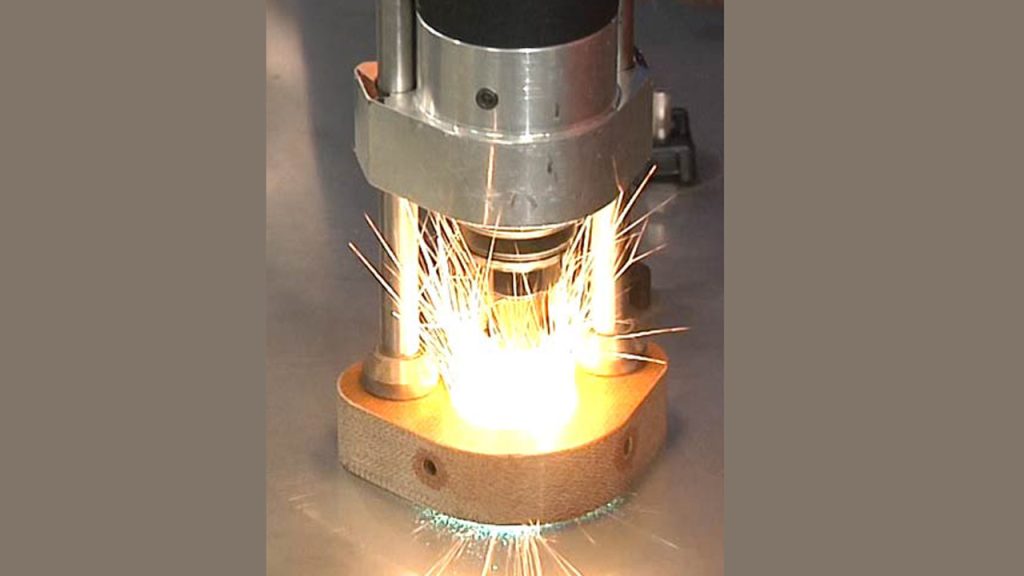
Image by sunbeltstudwelding
It’s a process that delivers great results without the need for complex setups or time-consuming steps. So, if you’re curious about how stud welding works, let me walk you through the whole process.
What is Stud Welding?
At its core, stud welding is a technique that attaches a metal fastener (the stud) to another metal surface. The magic happens when an electric arc is used to melt both the stud and the surface.
Once they’re molten, the stud is pushed into the base material, creating a solid bond as they cool. This process happens in a blink of an eye, which makes it incredibly efficient.
The fascinating part is that there’s no need for drilling holes or using bolts, screws, or nuts. This clean, straightforward method is favored in industries like construction, automotive, shipbuilding, and electronics. It’s fast, strong, and doesn’t compromise the structural integrity of the material you’re working with.
Basic Process of Stud Welding
The basic principle behind stud welding is surprisingly simple, but each step in the process plays a crucial role in creating a strong, reliable weld.
Preparation
The first thing you need is clean surfaces. Both the stud and the base metal need to be free of dirt, rust, and any oils or debris that could interfere with the weld.
This is essential because even the smallest contamination can weaken the bond. In professional settings, workers often use grinding or brushing to prepare the surface.
Stud Positioning
The stud is placed in a stud welding gun, which positions it precisely where the weld is to occur. In many applications, the gun will also apply pressure to keep the stud in place before and during the weld.
Arc Creation
Here’s where the heat comes in. When you press the trigger on the welding gun, an electric arc forms between the stud and the base material. This arc generates intense heat, melting both the tip of the stud and the surface of the base metal.
Plunging the Stud
After the metals have reached their molten state, the stud is quickly plunged into the base material. This happens almost instantly, as the gun is designed to push the stud into the molten pool.
Cooling and Solidifying
Once the stud is in place, the materials cool and solidify, creating a bond that’s incredibly strong—strong enough to be used in high-stress environments like construction and shipbuilding.
Different Types of Stud Welding
There are a few different methods of stud welding, depending on the materials you’re working with and the strength of the weld you need. Let’s dive into the most common types.
Drawn Arc Stud Welding
Drawn arc stud welding is the most widely used method, especially when working with larger studs or thicker base materials. It creates a strong, deep weld that can support a lot of weight.
The drawn arc method uses a ceramic ferrule, which helps contain the heat and shape the weld. After the arc is created and the metal becomes molten, the stud is pressed into the base, and the ferrule is removed once the weld has cooled. This type of stud welding is commonly used in construction, especially for attaching studs to structural steel.
Capacitor Discharge (CD) Stud Welding
Capacitor discharge stud welding is often used for smaller studs and thinner materials. What’s interesting about this method is that it uses a quick discharge of stored electrical energy from a capacitor. The weld happens in an instant, which minimizes heat transfer to the base material. This is particularly useful when working with delicate or thin materials, such as sheet metal.
Since the heat is contained to such a small area, there’s less risk of warping or damaging the base material. You’ll often see this method used in industries like electronics or light fabrication.
Short Cycle Stud Welding
Short cycle stud welding is similar to drawn arc welding but with a shorter welding time. It’s a faster process that uses less heat and is typically used for smaller studs or thinner materials. It’s not quite as strong as the drawn arc method, but it’s great for applications where speed is more important than extreme strength.
Applications of Stud Welding
Stud welding is widely used in various industries. What I love about this process is its versatility. Whether you’re working on a large construction site or manufacturing small electronic components, stud welding has a place. Here are some of the most common applications:
Construction
Stud welding is essential in construction, particularly when attaching metal studs to structural steel. These studs act as anchor points for other materials, such as concrete or insulation. The speed and strength of stud welding make it ideal for large-scale projects, like bridges and high-rise buildings.
Automotive
In the automotive industry, speed and efficiency are everything. Stud welding is often used to attach components to a car’s body, such as mounting brackets and insulation. Since stud welding doesn’t require additional fasteners, it speeds up the assembly process and reduces material costs.
Shipbuilding
The marine environment is harsh, and ships need to withstand a lot of stress. Stud welding is used in shipbuilding to attach insulation, brackets, and panels to the ship’s framework. The welds created by stud welding are durable and can handle the constant vibration and stress that ships experience.
Electronics
Stud welding, particularly CD stud welding, is often used in the electronics industry to attach small components to metal enclosures. The low heat involved in CD welding ensures that the delicate electronics aren’t damaged during the process.
Advantages of Stud Welding
From my experience, the advantages of stud welding are clear once you see the process in action. Here are a few key benefits that make stud welding stand out:
Speed
Stud welding is incredibly fast, often taking less than a second to complete. This is one of the main reasons it’s used in high-volume production environments. The quick process helps keep production lines moving efficiently.
Strong Bonds
Despite its speed, stud welding creates a very strong bond between the stud and the base material. The weld is as strong as—or even stronger than—the surrounding material, making it ideal for structural applications.
Minimal Heat Transfer
This is particularly true for CD stud welding. Since the process happens so quickly, there’s very little heat transfer to the surrounding material. This means there’s less risk of warping, distortion, or burn-through, especially when working with thin materials.
Clean Process
Stud welding doesn’t require any holes, screws, or additional fasteners. This not only speeds up the process but also leaves a clean finish with no need for additional components.
Disadvantages of Stud Welding
While I think stud welding is a fantastic process, it does have some limitations. Here are a few disadvantages to keep in mind:
Requires Specialized Equipment
Stud welding requires specific equipment, such as stud welding guns and power supplies. While this equipment is widely available, it can be expensive to purchase, especially for small-scale operations.
Limited to Metal
Stud welding only works with metal studs and metal base materials. If you’re working with non-metallic materials, you’ll need to explore other fastening options.
Surface Preparation is Crucial
Even though stud welding is a fast process, the surfaces still need to be clean and free from contaminants like rust, oil, or dirt. Failure to properly prepare the surfaces can lead to weak welds.
Stud Welding vs Traditional Welding
Let’s take a moment to compare stud welding to traditional welding methods. The table below outlines some of the key differences between the two processes.
| Aspect | Stud Welding | Traditional Welding |
|---|---|---|
| Speed | Extremely fast | Can be slower, depending on the method |
| Heat Transfer | Minimal heat transfer (especially with CD) | Can involve significant heat transfer |
| Surface Preparation | Minimal preparation required | More extensive surface preparation |
| Bond Strength | Very strong | Varies depending on the method |
| Materials | Limited to metals | Can be used with various materials |
| Fasteners | Does not require additional fasteners | May require screws, bolts, or other fasteners |
Conclusion
Stud welding is a powerful, efficient, and versatile welding method that’s used in a wide range of industries. Its ability to create strong bonds in a matter of milliseconds makes it an invaluable tool in high-volume production environments like construction, automotive manufacturing, and shipbuilding. The minimal heat transfer, clean process, and lack of additional fasteners are just a few of the reasons why stud welding is so popular.
If you’re looking for a welding method that combines speed, strength, and simplicity, stud welding is definitely worth considering. Once you understand how it works and see the results, it’s easy to see why this technique is so widely used.


