
If you’ve ever dealt with a leaking air compressor tank, you know how frustrating it can be. That tank is the heart of your air system, and when it starts to rust or develop cracks, it feels like a major setback.
One of the most common quick-fix solutions people consider is JB Weld. But does it really work on an air compressor tank? And if so, how can you use it properly? I’ve been down this road before, so let me walk you through everything you need to know.
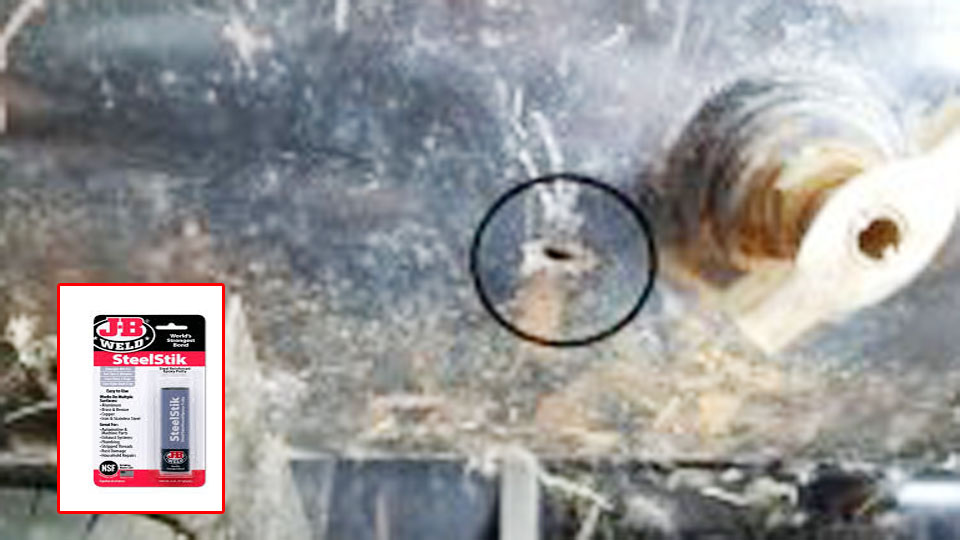
Image by garagejournal
JB Weld and How It Works
JB Weld is an epoxy-based adhesive that’s often marketed as a strong and long-lasting solution for metal repairs. It comes in two parts – a resin and a hardener – that must be mixed together before application. Once cured, it forms a solid, steel-like bond that can withstand heat, pressure, and vibration.
Just because JB Weld is strong doesn’t mean it’s the best solution for every job. Air compressor tanks operate under high pressure, and any repair must be able to handle that stress without failing.
Can You Use JB Weld on an Air Compressor Tank?
The short answer is yes, but with limitations. JB Weld can be used to patch minor leaks and reinforce weakened areas, but it should never be considered a permanent fix for a heavily damaged or rusted air tank. The safety risk is too high. If a tank is structurally compromised, it’s always best to replace it rather than repair it.
That being said, if you’re dealing with a small pinhole leak or a surface crack, JB Weld can buy you some time until you can find a long-term solution.
How to Apply JB Weld on an Air Compressor Tank
If you’ve decided to use JB Weld on your air compressor tank, proper application is key to getting the best results. Here’s a step-by-step guide to doing it the right way.
Step 1: Assess the Damage
Before anything else, inspect the tank thoroughly. Look for rust, cracks, and weak spots. If you find excessive corrosion or deep cracks, JB Weld is not the answer. In those cases, a new tank is your safest bet.
Step 2: Drain and Depressurize the Tank
Always start by draining all air and moisture from the tank. This prevents accidental pressure buildup during the repair process and ensures a safe working environment.
Step 3: Clean the Area
The surface where you’ll be applying JB Weld must be clean and free of dirt, grease, or rust. Use sandpaper or a wire brush to remove loose rust and roughen the area. Wipe it down with a solvent like acetone or rubbing alcohol to ensure a strong bond.
Step 4: Mix JB Weld Properly
Follow the instructions on the packaging to mix equal parts of the resin and hardener. Stir it thoroughly until you achieve a uniform color. Once mixed, JB Weld starts setting quickly, so be ready to apply it immediately.
Step 5: Apply JB Weld to the Damaged Area
Use a putty knife or an applicator to spread a generous layer of JB Weld over the leak. Make sure it extends beyond the damaged area to create a strong seal.
If the hole is larger than a pinhole, consider reinforcing the repair with a piece of fiberglass mesh or metal screen.
Step 6: Let It Cure Completely
JB Weld needs time to cure properly. It usually sets in 4-6 hours, but a full cure takes 15-24 hours. Avoid pressurizing the tank until the epoxy is completely hardened.
Will JB Weld Hold Under Pressure?
Air compressor tanks can reach high pressures, and even the strongest epoxy might not be able to handle extreme conditions over time. While JB Weld can withstand up to 5,000 PSI, that’s in a static, non-flexing environment. Air tanks expand and contract slightly with each cycle, which can weaken the repair over time.
For low-pressure applications, JB Weld might hold up well. But for high-pressure air compressors, it’s always a gamble. If the tank shows signs of failure again, don’t push your luck—replace it.
Alternative Repair Methods
If JB Weld isn’t enough for your situation, there are a few other ways to fix a leaking air compressor tank.
| Repair Method | Durability | Recommended For |
|---|---|---|
| Welding | Permanent | Deep cracks and large leaks |
| Brazing | Strong | Small cracks and weak spots |
| Patch Plates | Moderate | Surface damage with reinforcement |
| Replacement Tank | Best Option | Severely rusted or cracked tanks |
While welding is the most durable solution, it requires skill and proper safety precautions. If you’re not experienced with welding, have a professional handle the repair.
Safety Concerns with Using JB Weld on Air Compressor Tanks
Using JB Weld on an air compressor tank does come with risks. If the repair fails under pressure, it could lead to a sudden rupture, which can be dangerous. Here are some key safety points to consider:
- Never use JB Weld on tanks with extensive rust or deep cracks.
- Always monitor the repaired area for signs of failure, such as bubbling, peeling, or leaking.
- If you hear unusual sounds or see excessive rust, stop using the tank immediately.
- Never exceed the manufacturer’s recommended pressure rating for your tank.
When Should You Replace Your Air Compressor Tank?
There comes a point when repairs are no longer safe. If your tank has any of the following issues, it’s time to replace it:
- Multiple rust spots or deep corrosion
- Visible cracks or severe leaks
- Repair attempts that repeatedly fail
- A history of high-pressure use beyond the tank’s rating
Investing in a new tank is always a safer and more reliable choice than patching an old one.
Conclusion
JB Weld can be a temporary solution for small air compressor tank leaks, but it’s not a miracle fix. If you use it, apply it properly and always prioritize safety. However, for serious damage, replacing the tank is the best way to ensure long-term reliability.
Air compressor tanks operate under high pressure, and any weak spot can turn into a major hazard. When in doubt, don’t take chances—get a new tank and keep your work environment safe.
FAQs
Can JB Weld fix a rusted air compressor tank?
It can temporarily seal small leaks, but it won’t stop rust from spreading. For extensive rust, replacement is the best option.
How long does JB Weld last on an air compressor tank?
It depends on pressure, temperature, and how well it was applied. In low-pressure conditions, it may last a while, but high-pressure tanks can cause it to fail sooner.
Can you weld an air compressor tank instead of using JB Weld?
Yes, welding is a stronger and more permanent solution, but it should only be done by an experienced welder to avoid creating weak spots in the tank.
Is JB Weld safe for high-pressure applications?
Not really. While JB Weld is strong, air tanks expand and contract under pressure, which can weaken the bond over time.
What should I do if JB Weld fails on my air compressor tank?
If the repair fails, stop using the tank immediately. Continuing to use a damaged tank can be extremely dangerous. Consider welding or replacing the tank for a safer and long-term solution.


