Welding is one of those skills that can feel like an art and a science all at once. If you’ve spent any time exploring welding techniques, you’ve probably come across terms like “spot weld” and “tack weld.” These two methods might sound similar, but they serve very different purposes in welding projects.
I remember when I first encountered these techniques—it was confusing to figure out where each one fit into a project. Over time, I learned how and when to use them, and I’m here to share what I’ve discovered.
If you’re a beginner looking to expand your welding knowledge or someone with a little experience under their belt, understanding the difference between spot welding and tack welding can help you tackle projects with confidence. Let’s dive into the details.

Image by runsom
What is Spot Welding?
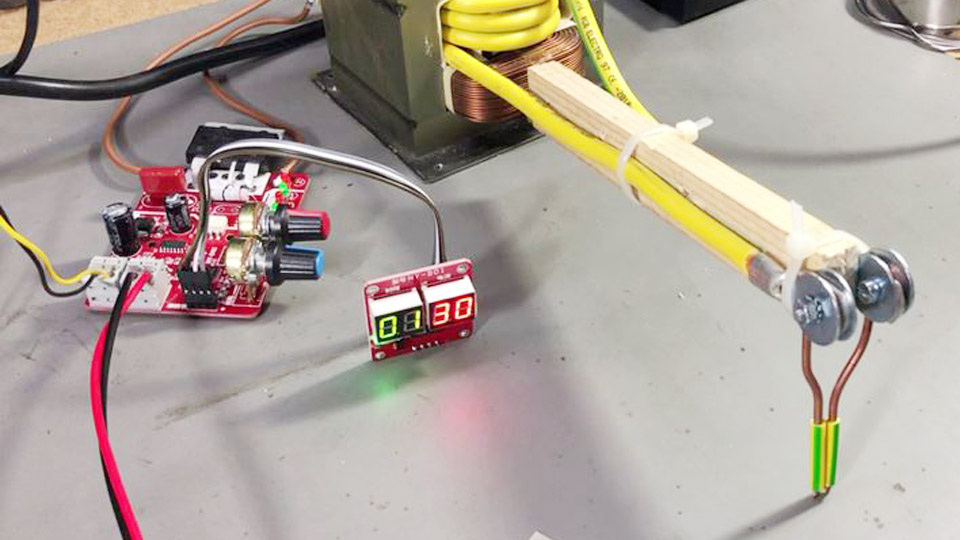
Spot welding, also known as resistance welding, involves joining two or more metal sheets together at specific points. It works by applying pressure and passing an electric current through the materials at the contact point. The heat generated by the electrical resistance melts the metal, and when it cools, it forms a strong bond.
This method is widely used in manufacturing industries, especially in automotive assembly. It’s efficient, fast, and creates clean joints without the need for filler material.
Features of Spot Welding
- Joins metal sheets at specific points
- Uses heat generated by electrical resistance
- Does not require filler materials
- Ideal for high-volume production tasks
Applications of Spot Welding
Spot welding is most commonly used for thin sheets of steel or aluminum. It’s perfect for tasks like assembling car panels, creating metal furniture, or joining parts of household appliances.
What is Tack Welding?
Tack welding, on the other hand, is a temporary welding process. It’s used to hold pieces of metal in place before the final weld is applied. Think of it as a way to stabilize your materials so you can focus on creating strong, continuous welds later on.
Tack welds are small and strategically placed. They’re not meant to bear heavy loads or serve as a finished weld, but they’re crucial for ensuring alignment and preventing warping during the welding process.
Features of Tack Welding
- Used to temporarily hold materials together
- Creates small, short welds
- Prevents movement or misalignment during welding
- Typically followed by full welds for structural integrity
Applications of Tack Welding
Tack welding is used in almost every type of welding project, from fabricating metal structures to assembling pipelines. It’s especially useful when working with large or heavy materials that are prone to shifting.
Comparing Spot Welding and Tack Welding
Understanding the differences between spot welding and tack welding boils down to their purpose, process, and applications. Let’s break it down in more detail.
Purpose
Spot welding is a permanent welding process. It’s used to create strong, durable bonds at specific points, making it ideal for tasks like manufacturing and assembly.
Tack welding, however, is temporary. It’s meant to hold materials in place until a stronger, more continuous weld is applied.
Process
Spot welding relies on electrical resistance and pressure to generate heat and form a bond. No filler materials are required, and the process is fast and efficient.
Tack welding uses traditional welding techniques, such as MIG or TIG welding, to create small, quick welds. These welds are not as strong as the final weld but are enough to stabilize the materials.
Strength
Spot welding creates strong bonds at specific points but does not provide the continuous strength of a full weld.
Tack welding is not meant to be strong—it’s a temporary measure to keep materials aligned and stable.
Equipment
Spot welding requires specialized machines with copper electrodes. These machines are designed for high-speed, repetitive tasks.
Tack welding can be done with standard welding equipment, such as a MIG or TIG welder.
Spot Welding vs Tack Welding
| Feature | Spot Welding | Tack Welding |
|---|---|---|
| Purpose | Permanent bonding at specific points | Temporary stabilization for alignment |
| Process | Electrical resistance and pressure | Small welds using traditional welding methods |
| Strength | Strong at specific points | Minimal, not load-bearing |
| Equipment Needed | Specialized spot welding machine | Standard MIG, TIG, or arc welding tools |
| Applications | Automotive, appliances, metal sheets | Structural welding, large-scale fabrication |
When to Use Spot Welding
Spot welding is your best option when working with thin, overlapping metal sheets. If you’re assembling something like car panels or metal frames, spot welding provides a fast, clean, and efficient solution.
It’s especially useful for high-volume projects where speed and consistency are critical. However, keep in mind that spot welding is limited to thin materials and cannot handle thick or irregularly shaped metals.
When to Use Tack Welding
Tack welding is essential for almost every welding project. If you’re working with large or heavy materials, tack welding ensures everything stays in place while you apply the final welds.
It’s also a lifesaver for maintaining alignment and preventing warping, especially when working with materials that expand or shift under heat. Whether you’re building a metal structure or assembling pipes, tack welding is a step you can’t skip.
Advantages and Disadvantages of Each Method
Spot Welding
Advantages:
- Fast and efficient for high-volume tasks
- Creates clean, strong bonds without filler materials
- Minimal cleanup required
Disadvantages:
- Limited to thin materials
- Requires specialized equipment
- Not suitable for complex or irregular shapes
Tack Welding
Advantages:
- Versatile and adaptable to any project
- Keeps materials aligned and stable
- Can be done with standard welding tools
Disadvantages:
- Temporary and not load-bearing
- Requires additional welding steps
- Slower than spot welding for repetitive tasks
My Experience with Spot and Tack Welding
When I first started welding, I relied heavily on tack welding for most of my projects. It gave me the confidence to align materials and create stable setups before applying the final welds. I remember working on a custom metal frame for a friend’s furniture project—tack welding saved the day by holding everything in place while I fine-tuned the angles.
Spot welding, however, became my go-to method for repetitive tasks. During a car restoration project, I used spot welding to attach thin steel panels, and the results were seamless. It’s amazing how fast and efficient it is for certain applications.
Each method has its place, and I’ve learned to appreciate the unique strengths they bring to the table.
Safety Considerations
Both spot welding and tack welding come with safety risks, so it’s essential to take precautions.
For Spot Welding:
- Wear gloves and safety glasses to protect against sparks.
- Avoid touching the electrodes during operation.
- Ensure your workspace is clear of flammable materials.
For Tack Welding:
- Use a welding helmet to shield your eyes from the arc.
- Wear flame-resistant clothing and gloves.
- Work in a well-ventilated area to avoid inhaling fumes.
Safety should always be your top priority, no matter which welding method you’re using.
Conclusion
Spot welding and tack welding may sound similar, but they serve very different purposes. Spot welding is all about creating permanent, strong bonds at specific points, making it ideal for manufacturing and assembly tasks. Tack welding, on the other hand, is a temporary technique used to stabilize and align materials before applying the final welds.
Choosing the right method depends on your project’s requirements. If you need speed and efficiency for thin materials, spot welding is the way to go. But if you’re working on a complex or large-scale project, tack welding is an essential step that ensures accuracy and stability.
Both techniques have their unique strengths, and understanding when to use each one can make all the difference in your welding projects.
FAQs
What is the main difference between spot welding and tack welding?
Spot welding creates permanent bonds at specific points, while tack welding is a temporary method used to hold materials in place.
Which method is stronger: spot welding or tack welding?
Spot welding produces stronger bonds at specific points. Tack welding is not meant to be strong—it’s a temporary measure.
Can spot welding be used for thick materials?
No, spot welding is best suited for thin metal sheets and cannot handle thick materials.
Do I need special equipment for tack welding?
No, tack welding can be done with standard welding tools like MIG, TIG, or arc welders.
Is tack welding necessary for every project?
Tack welding is essential for projects that require alignment and stability, especially when working with large or heavy materials.