Using a TIG welding torch properly is essential for precision, arc stability, and clean, defect-free welds. If you’re asking How to Use a TIG Welding Torch, the focus is on controlling heat, filler material, and shielding gas to achieve consistent penetration without contaminating the weld pool.
In real welding conditions, improper torch angle, inconsistent foot pedal control, or poor gas coverage can lead to defects like porosity, lack of fusion, or excessive spatter.
Positioning the torch correctly, maintaining the proper arc length, and coordinating hand movements with filler addition ensures a stable arc and uniform weld bead.
This guide covers the essential techniques for holding, maneuvering, and adjusting a TIG torch, helping welders optimize control, reduce rework, and produce high-quality welds on stainless steel, mild steel, and other metals.
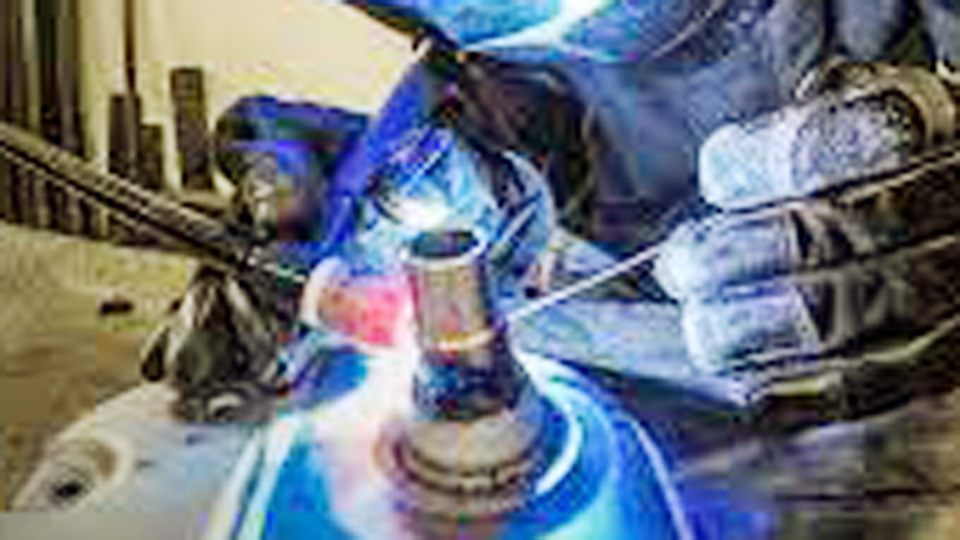
Photo by pumpingstationone
TIG Welding Fundamentals
TIG welding uses a non-consumable tungsten electrode to create an electric arc that melts the base metal, while an inert gas shields the weld area from contamination. The process allows for precise heat input, making it ideal for thin materials or applications requiring minimal distortion.
What TIG Welding Entails
The core of TIG welding involves maintaining a stable arc between the tungsten electrode and the workpiece. Electricity flows through the torch, ionizing the shielding gas to form the arc. Heat from the arc creates a molten puddle on the base metal.
If needed, a separate filler rod is added manually to build up the weld bead. This method differs from MIG welding by offering greater control over the weld pool, though it requires more skill to coordinate torch movement and filler addition.
Shielding gas, typically argon, prevents oxidation by displacing atmospheric gases. Flow rates usually range from 15 to 20 cubic feet per hour (CFH), adjusted based on joint type and wind conditions. Too low a flow leads to porosity; too high wastes gas and can cause turbulence.
Polarity selection impacts performance. Direct Current Electrode Negative (DCEN) concentrates heat on the workpiece for deeper penetration on steels. Alternating Current (AC) balances cleaning action and penetration for aluminum, where it removes oxide layers.
Key Components of the TIG Torch
A TIG torch consists of several parts that work together to deliver power, gas, and stability.
The torch body houses the handle and connections for power and gas. It connects to the welding machine via a cable.
The back cap secures the tungsten electrode from the rear, available in short or long versions to adjust electrode extension.
The collet grips the tungsten electrode, sized to match the electrode diameter (common sizes: 0.040″, 1/16″, 3/32″).
The collet body threads into the torch and holds the collet, with holes for gas flow.
Optional gas lenses replace standard collet bodies, providing laminar gas flow for better coverage, especially in drafty environments.
The ceramic cup, or nozzle, directs the shielding gas over the weld. Sizes range from #4 (1/4″ diameter) to #8 (1/2″), with larger cups offering more coverage but requiring higher gas flow.
The tungsten electrode protrudes from the cup, typically extending 1/8″ to 1/4″ beyond it.
The heat shield, or insulator, protects the torch from heat buildup.
This diagram illustrates the assembly. Understanding these components ensures reliable operation and easier troubleshooting.
Preparing for TIG Welding
Preparation sets the foundation for successful welds. Start with clean materials and calibrated equipment to avoid defects.
Selecting and Preparing the Tungsten Electrode
Tungsten electrodes come in various alloys, each suited to specific materials and currents.
| Electrode Type | Color Code | Composition | Best For | Amperage Range (1/16″ Diameter) |
|---|---|---|---|---|
| Pure Tungsten | Green | 100% Tungsten | AC welding on aluminum | 70-150 A |
| Thoriated | Red | 2% Thorium | DC welding on steel, stainless | 80-200 A |
| Ceriated | Grey | 2% Cerium | AC/DC on various metals | 70-180 A |
| Lanthanated | Gold | 1.5-2% Lanthanum | AC/DC, good arc starts | 80-220 A |
| Zirconiated | Brown | 1% Zirconium | AC on aluminum, high current | 90-250 A |
Choose based on material: lanthanated for versatility.
Grind the electrode to a point for DC welding, using a dedicated grinder to avoid contamination. Angle at 20-30 degrees for a stable arc. For AC, allow a ball to form naturally on the tip during use. Electrode diameter affects current capacity: 1/16″ handles up to 150A on DC, while 3/32″ manages 200-250A.
Extend the electrode 1/8″ beyond the cup for most work, or up to 1/4″ for better access in tight joints.
Assembling the Torch
Begin by loosening the back cap and inserting the collet into the collet body. Slide the tungsten through the collet, then tighten the back cap to secure it.
Install the collet body into the torch head. If using a gas lens, insert it instead for smoother gas distribution.
Screw on the ceramic cup. Ensure all threads are clean to prevent gas leaks.
Connect the torch to the machine: plug the power cable into the negative terminal for DCEN, attach the gas hose, and connect any water lines if using a water-cooled torch.
Setting Up Gas Flow and Machine Parameters
Connect a regulator to the argon cylinder, setting pressure to 20-30 PSI. Adjust flow at the torch to 15-20 CFH.
On the machine, select polarity: DCEN for ferrous metals, AC for non-ferrous.
Set amperage based on material thickness. For 1/8″ steel, start at 100-120A; for 1/16″ aluminum, 80-100A. Use foot pedal control for variable amperage during welding.
Post-flow gas time should be 5-10 seconds to protect the hot tungsten after stopping the arc.
Test the setup by purging the line and checking for leaks.
Mastering TIG Welding Techniques
Effective use requires coordinating hand movements and observing the weld puddle.
Proper Torch Holding and Positioning
Hold the torch like a pencil, with your thumb and forefinger controlling the angle. Maintain a 70-80 degree angle to the workpiece for optimal gas coverage and visibility.
Keep the electrode 1/16″ to 1/8″ from the surface to prevent contamination. Rest your hand on the workpiece for stability if possible.
Position the filler rod in your other hand at 15-20 degrees, ready to dip into the puddle.
Initiating the Arc
Use high-frequency start if available: depress the pedal to initiate the arc without touching the workpiece.
For lift start, touch the electrode lightly to the metal, then lift slightly while increasing amperage.
Avoid scratch starting on critical work, as it can contaminate the tungsten.
Once the arc starts, form a small puddle by holding steady.
Controlling the Weld Puddle
Observe the puddle: it should be dime-sized for most applications, with a bright, fluid appearance.
Travel speed influences puddle size—too fast causes underfill; too slow leads to excessive heat input and distortion. Aim for 4-6 inches per minute on thin sheet.
Adjust amperage via pedal to maintain puddle consistency. On aluminum, watch for the cleaning action where the arc etches the oxide.
Adding Filler Material
Dip the filler rod into the leading edge of the puddle, withdrawing it quickly to avoid buildup. Use short dabs for control.
Match filler to base metal: ER70S-6 for mild steel, 4043 for aluminum.
For autogenous welds (no filler), fuse edges directly, common on thin stainless.
This illustration shows the technique in action.
Practice on scrap to synchronize torch and filler movements.
Addressing Common Issues in TIG Welding
Issues often stem from setup errors or technique lapses.
Tungsten Contamination
If the electrode touches the puddle, it picks up metal, causing erratic arcs. Regrind the tip to remove contaminants.
Low amperage or improper sharpening can also lead to instability.
Poor Gas Coverage
Porous welds indicate insufficient shielding. Check flow rate, cup size, or drafts. Use a #7 or #8 cup for broader coverage.
Ensure post-flow protects the cooling weld.
Arc Instability
Wandering arcs result from dirty metal or incorrect polarity. Clean workpieces with a wire brush or acetone.
High humidity can affect arc; increase gas flow slightly.
Essential Safety Practices
Wear leather gloves, long sleeves, and an auto-darkening helmet with shade 9-13. Ensure good ventilation to avoid argon buildup.
Secure cylinders to prevent tipping. Inspect hoses for leaks.
Ground the workpiece properly to avoid shocks.
Wrapping Up
TIG welding torch builds on understanding its components and precise control of the arc and puddle. This knowledge enables consistent, high-quality welds across materials.
For those advancing, explore pulse settings on modern machines: pulsing at 1-2 Hz improves heat management on thin sections, reducing warp while maintaining penetration. This technique enhances efficiency in production environments.
FAQs
Can I Use the Same Tungsten for Steel and Aluminum?
No, switch electrodes. Use lanthanated for steel (DC) and pure or zirconiated for aluminum (AC) to optimize performance and longevity.
What Amperage Should I Start With for 1/8″ Mild Steel?
Begin at 100-120A on DCEN with a 1/16″ electrode. Adjust based on puddle response and joint type.
How Do I Know If My Gas Flow Is Correct?
Monitor the weld color: a straw hue on stainless indicates good coverage. Adjust to 15-20 CFH; test on scrap.
Why Does My Arc Wander on Aluminum?
Oxide layers cause this. Ensure AC polarity and adequate cleaning frequency (around 120 Hz). Clean the base metal thoroughly.
Is a Gas Lens Necessary for Beginners?
Not essential, but it provides better gas distribution, reducing porosity in windy conditions or extended welds. Start without, add later for refinement.