When I first started with TIG welding, I didn’t think much about how the arc was started—until I tried Lift TIG on a new machine. That’s when I realized there’s a real difference between standard TIG and Lift TIG setups. In traditional TIG, you often use a high-frequency start that lets you fire up the arc without touching the tungsten to the metal, which is great for stainless welding, thin material, and situations where contamination can ruin the weld.
Lift TIG, requires you to touch the tungsten to the workpiece and lift it off to start the arc. It’s simpler, often cheaper, and works well in field conditions, but it comes with its own learning curve. Understanding the difference between TIG and Lift TIG isn’t just about arc starts—it affects weld quality, joint prep, safety, and even how long your filler rods and tungsten last. In this guide, I’ll break down both methods so you know which one fits your project best.
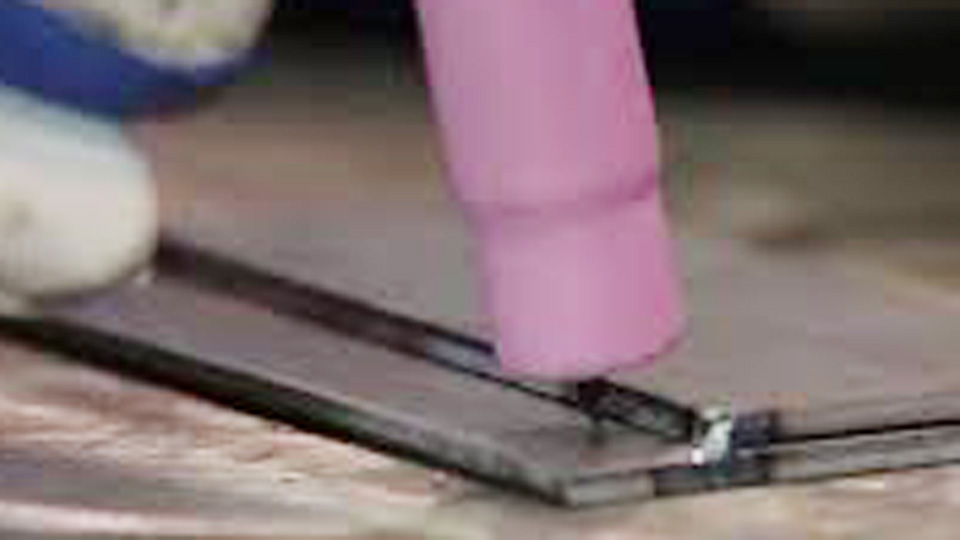
Image by facebook
What Is TIG Welding?
TIG welding is all about control and finesse. It’s a process where you use a non-consumable tungsten electrode to create an arc that melts the base metal, often adding filler rod manually for stronger joints. Shielding gas, usually argon or helium, protects the weld puddle from contaminants in the air.
I’ve used TIG on everything from stainless steel exhausts to aluminum bike frames. It’s versatile for thin materials and gives you beautiful, spatter-free welds if done right.
How TIG Works
You hold a torch with the tungsten electrode, strike an arc to the workpiece, and feed filler metal if needed. The arc heats the metal to form a puddle, and you move along the joint. Power comes from a constant current machine, often with a foot pedal to adjust amperage on the fly.
Traditional TIG starts often use high-frequency (HF) ignition, where a high-voltage spark jumps the gap without touching the metal. But older or basic setups might use scratch start, which we’ll compare later.
When to Use TIG
Go for TIG when you need precision, like in aerospace parts or food-grade stainless. It’s great for materials like aluminum, steel, or titanium. Why? It minimizes distortion and gives you full control over heat input, crucial for thin sheets or avoiding warping.
In my shop, I reach for TIG on custom fabrication where appearance counts—think polished handrails or artistic sculptures.
Practical Tips for TIG
Prep your tungsten by grinding it to a point for a stable arc. I like a 2.5% lanthanated tungsten for most jobs—versatile and long-lasting. Set your machine to DC for steel or AC for aluminum to clean oxides.
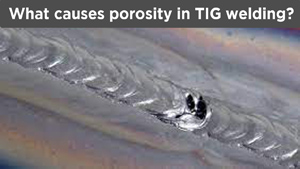
Common mistake: Dirty gas lines leading to porous welds. Flush your system regularly. Tip: Start with 15-20 CFH argon flow to shield without blowing the puddle.
What Is Lift TIG?
Lift TIG is a smart arc-starting technique in TIG welding that’s beginner-friendly and reduces risks. Instead of scratching or relying on HF, you touch the tungsten lightly to the metal, activate the current, and lift off to start the arc.
I remember my first multi-process welder had lift TIG, and it changed how I approached quick repairs—no more fumbling with scratch starts.
How Lift TIG Works
Your machine senses the touch and starts a low-amperage current. As you lift the torch (about 1/8 inch), the arc ignites smoothly. It’s like a controlled short circuit that prevents sticking.
This method is built into many modern inverters, like those from Lincoln or Miller, popular in US shops.
When to Use Lift TIG
Use it when HF might interfere with electronics, like near CNC machines or computers. It’s ideal for steel or stainless in tight spaces or field work where portability matters.
Why choose it? Less tungsten contamination means fewer grinds and better weld quality on non-critical jobs.
Practical Tips for Lift TIG
Machine settings: Set start amps low, around 5-10A, to avoid melting the tungsten tip. Joint prep is key—clean the metal with a wire brush or acetone.
Anecdote: On a job site once, HF was glitching my phone, so I switched to lift TIG and finished the stainless rails without issues.
Common mistake: Lifting too fast, killing the arc. Fix: Practice a slow, steady lift like easing off a clutch.
Key Differences Between TIG and Lift TIG
Standard TIG often means HF start, while lift TIG is a contact method. Both are TIG processes, but the start affects setup, safety, and results.
HF TIG is touchless, using high voltage for instant arc. Lift TIG requires brief contact but minimizes risks compared to scratch start.
In real terms, HF is pro-level for clean starts, but lift TIG is safer around sensitive gear.
Arc Initiation Methods Compared
Let’s compare all common TIG starts, as they tie into the differences.
Scratch start: Scratch the tungsten like a match—cheap but messy.
Lift TIG: Touch and lift—clean and easy.
HF TIG: No touch, spark jumps—precise but can cause interference.
Pros and Cons Table
| Method | Pros | Cons |
|---|---|---|
| Scratch Start TIG | Low cost, works on basic machines | High contamination risk, hard to master |
| Lift TIG | User-friendly, low interference | Slight contact risk, not for all materials |
| HF TIG | Cleanest starts, great for aluminum | Electronic interference, higher cost |
When Scratch Start Fits In
Scratch start is the old-school way in TIG, often confused with basic TIG. Use it on converted stick welders for budget DIY.
But honestly, I’ve phased it out—too much rework from inclusions.
Step-by-Step Guide to Starting a TIG Weld
Whether TIG or lift TIG, good starts set the tone. Here’s how.
Step-by-Step for HF TIG (Standard TIG Start)
- Grind your tungsten to a fine point.
- Set machine to HF start, DC or AC as needed.
- Position torch 1/16 inch from metal.
- Depress foot pedal—arc jumps instantly.
- Add filler rod smoothly into the puddle.
Tip: Amps at 80-120 for 1/8-inch steel.
Step-by-Step for Lift TIG
- Clean workpiece and tungsten.
- Set machine to lift start mode.
- Touch tungsten tip lightly to start point.
- Press torch trigger or pedal for low current.
- Lift torch slowly—arc pops on.
- Maintain 1/8-inch gap, feed filler.
Anecdote: Teaching a student, he stuck the tungsten first try. Fix: Lower start amps to 5A.
Common Mistakes in Arc Starts
Rushing the lift in lift TIG—arc fizzles. Slow down.
In HF TIG, wrong gap distance—arc wanders. Practice on scrap.
For both, poor gas coverage leads to oxidation. Check hoses.
Equipment for TIG and Lift TIG
You need a TIG torch, tungsten electrodes, filler rods, and a machine with the right features.
US brands like Miller Dynasty for HF, or Everlast for affordable lift TIG multi-process units.
Safety: Always wear a helmet with shade 9-13, gloves, and ensure good ventilation—argon displaces oxygen.
For materials, ER70S-6 rod for mild steel, ER308L for stainless.
Compatibility: Lift TIG works well on DC for steel; HF shines on AC for aluminum.
Machine Settings Suggestions
Start with these for a 1/8-inch butt joint on steel.
HF TIG: 100A peak, 20% pulse, 15 CFH argon.
Lift TIG: 5A start, ramp to 90A, same gas flow.
Joint prep: Bevel edges for thick material, tack weld first.
Tip: Pulse mode in both reduces heat input, great for thin sheets.
Real Applications in US Welding
In auto shops, lift TIG fixes exhausts without contamination.
For structural work under AWS codes, HF TIG ensures x-ray quality welds.
DIYers: Build a trailer frame with lift TIG on a portable inverter.
I’ve used lift TIG on farm repairs—quick and reliable in the field.
Safety Considerations in TIG Starts
Radiation from HF can affect pacemakers—switch to lift TIG.
Tungsten dust is hazardous—grind with ventilation.
Always ground properly to avoid shocks.
Story: A buddy ignored gas flow, got a porous weld that failed. Lesson: Double-check settings.
Filler Compatibility and Material Insights
Match filler to base: 4043 for aluminum in HF TIG.
For lift TIG on titanium, use pure argon and ERTi-2 rod.
Avoid mismatches—causes cracks.
Tip: Preheat thick aluminum to 200°F for better flow.
Why Choose Lift TIG Over Traditional Methods
Lift TIG bridges scratch and HF—easy for hobbyists, clean enough for pros.
In shops with electronics, it’s a must to avoid glitches.
I’ve switched machines mid-job for this reason.
Combining Starts for Versatility
Some machines offer both HF and lift—use HF for aluminum, lift for steel near computers.
Great for mixed projects.
Weld Integrity and Cost Efficiency
Good starts mean stronger welds, less rework—saves filler and time.
Lift TIG reduces tungsten waste, cutting costs.
In industry, this means meeting codes without extras.
Conclusion
Wrapping this up, the difference between TIG and lift TIG boils down to arc starts: traditional TIG often uses HF for touchless precision, while lift TIG offers a simple touch-and-lift method that’s safer and easier for many setups. You’ve now got the know-how on how they work, when to use each, and tips to avoid common pitfalls like contamination or unstable arcs.
Whether you’re a DIY welder fixing your grill or a pro tackling aerospace parts, you’re ready to choose the right approach for cleaner, stronger welds. Take action—grab your torch, practice on scrap, and build that confidence. Pro tip: Always keep spare tungstens ground and ready; a sharp tip is your best friend for any TIG start.
FAQ
What is the main difference between TIG and lift TIG?
TIG typically refers to welding with high-frequency start for no-contact arc initiation, while lift TIG uses a touch-and-lift method for easier, low-interference starts. Both produce high-quality welds, but lift TIG reduces contamination risks.
Is lift TIG better for beginners than standard TIG?
Yes, lift TIG is more forgiving with less skill needed for arc starts, making it ideal for new welders. It avoids the complexity of high-frequency setups and minimizes tungsten damage.
Can I use lift TIG on aluminum?
Lift TIG works on aluminum but is better on DC for steel; for AC aluminum welding, high-frequency TIG is preferred for cleaner oxide removal and stable arcs.
What equipment do I need for lift TIG?
A multi-process welder with lift start mode, TIG torch, tungsten electrodes, filler rods, and argon gas. Affordable US options like the YesWelder TIG-250P suit hobbyists well.
How does lift TIG prevent tungsten contamination?
By using low start amps during contact, it minimizes melting or sticking, keeping the tungsten clean compared to scratch starts.
(Word count: 2,856)