TIG welding looks smooth and controlled when an experienced welder is behind the torch, but getting to that point can be frustrating for beginners.
One second the puddle looks perfect, and the next you’ve dipped the tungsten, overheated the metal, or completely lost control of the bead. That’s usually when people start asking why is TIG welding so hard compared to other welding processes.
Unlike MIG welding, TIG demands constant coordination between both hands and your foot pedal while keeping arc length and filler timing consistent. Even small mistakes show up immediately in the weld quality.
I’ve seen plenty of new welders get discouraged because the process feels slow and unforgiving at first, especially on thin materials like aluminum or stainless steel.
The good part is that TIG welding becomes much easier once you understand what’s actually causing the struggle. I’ll break down the biggest challenges beginners face, the mistakes that make TIG feel harder than it is, and the practical techniques that help build confidence and control faster.
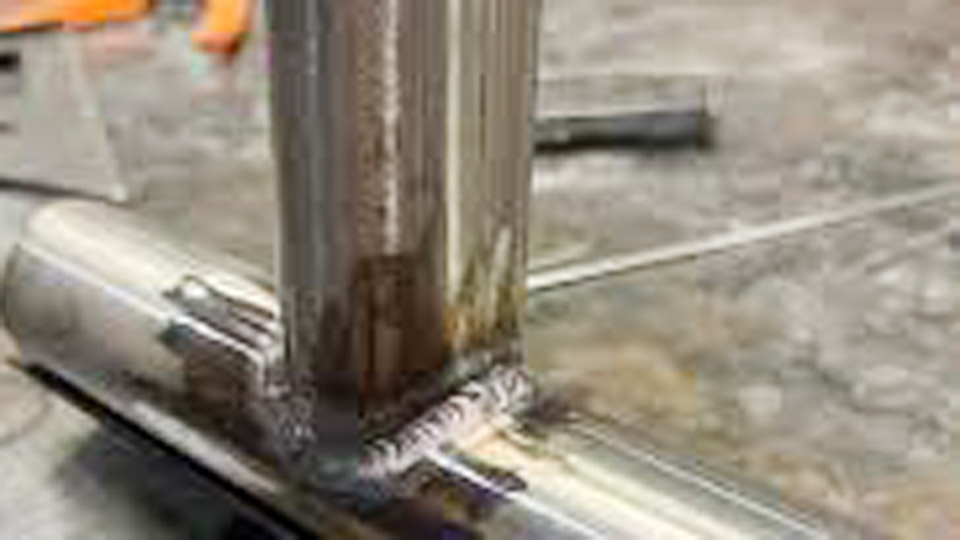
Image by I See You Don’t Know Shit About Welding
What Makes TIG Welding Truly Demanding Compared to Other Processes
TIG stands apart because it gives you unmatched control but requires you to earn it. In stick (SMAW), the flux handles some shielding and you can weld dirty metal outdoors. MIG (GMAW) is forgiving with its continuous wire and faster travel speeds. TIG? You control everything manually.
Key coordination challenges:
- Torch control for arc length (ideally 1/16″ to 1/8″)
- Filler rod dipping into the puddle without touching the tungsten
- Foot pedal modulation for heat input
- Body positioning that stays stable without leaning
Many beginners burn through tungsten or create inclusions because they focus on one variable and lose the others. The process rewards patience and punishes rushing.
In real fabrication jobs—like building custom exhausts, repairing aluminum wheels, or doing food-grade stainless work—TIG produces the cleanest, strongest, most beautiful welds. But get it wrong and you’ll face distortion, porosity, or cracks that require expensive rework.
Common Beginner and Pro Mistakes That Make TIG Seem Impossible
I’ve watched hundreds of welders struggle, and the same errors pop up repeatedly.
Mistake 1: Poor joint preparation and dirty material.
TIG is extremely sensitive to contamination. Oil, rust, paint, or even fingerprints can ruin a weld. Always degrease with acetone or brake cleaner, then stainless steel brush or grind. For aluminum, use a dedicated brush and clean right before welding.
Mistake 2: Bad posture and body support.
Leaning your torso on the table restricts movement. Plant your forearms or elbows for stability. This keeps your torch hand steady as you move along the joint.
Mistake 3: Incorrect arc length and tungsten contamination.
A long arc spreads heat too much and weakens the shield. Touching the tungsten to the puddle or filler instantly contaminates it. Grind a fresh point and use a gas lens for better coverage.
Mistake 4: Wrong amperage or no pedal control.
Setting amps too low prevents puddle formation. Too high and you blow through thin material. Use the pedal to start low, ramp up, then back off as needed.
Mistake 5: Rushing filler addition.
Wait for the puddle to form, then dip the rod into the leading edge. Adding too early creates cold laps; too late and the puddle overheats.
TIG Welding Basics: Understanding the Process Step by Step
TIG uses a non-consumable tungsten electrode to create the arc. Inert gas (usually pure argon) shields the weld pool. You add filler manually if needed.
Step-by-step for a basic butt joint on mild steel:
- Prepare the joint: Bevel if thicker than 1/8″, clean thoroughly.
- Select tungsten: 3/32″ for most shop work, sharpened to a point for DC.
- Set machine: DCEN for steel/stainless, AC for aluminum.
- Gas flow: 15-20 CFH with a #8 or larger cup.
- Strike arc with high-frequency start.
- Form puddle, add filler, travel steadily while modulating heat.
- Use post-flow to protect the cooling puddle and tungsten.
Practice on scrap first. Run beads without filler to master torch movement, then introduce the rod.
Machine Settings That Actually Work in the Real World
Proper settings separate clean welds from scrap. These are ballpark figures for common US inverter machines like Miller, Lincoln, or Everlast. Always test on scrap.
For Mild Steel (DCEN):
- 1/16″ thick: 50-80 amps
- 1/8″ thick: 90-130 amps
- 1/4″ thick: 140-180 amps
Rule of thumb: About 1 amp per 0.001″ thickness, adjusted with the pedal.
For Stainless Steel:
Similar to mild steel but slightly lower amps due to lower thermal conductivity. Use ER308L or ER316L filler. Keep heat low to prevent distortion and sensitization.
For Aluminum (AC):
- Requires higher amps (about 1.5x steel)
- AC balance: 70-80% EN (electrode negative) for cleaning vs. penetration
- Frequency: 100-150 Hz for tighter arc
- Use 4043 filler for general work, 5356 for higher strength
Start with higher amps and use the pedal to control. Aluminum conducts heat quickly, so travel faster or use pulse.
Electrode and Cup Recommendations:
- 3/32″ 2% lanthanated tungsten: Versatile all-rounder
- Gas lens diffuser: Dramatically improves shielding and allows longer stickout
Material-Specific Challenges and How to Overcome Them
Welding Aluminum – The Heat Management Nightmare
Aluminum’s high thermal conductivity means it heats unevenly and distorts easily. Oxide layer requires AC to break it. Clean aggressively. Many beginners under-amperage and get lack of fusion. Watch for the puddle “shiny” appearance before adding filler.
Stainless Steel – Controlling Distortion and Color
Low heat input is key. Back-purge with argon on pipes or tanks for full penetration without oxidation. Use pulse settings (e.g., 1-2 PPS) for better control on thin sections.
Mild Steel and Repairs
More forgiving but still demands cleanliness. Great for learning. On thicker sections, use multiple passes with proper interpass cleaning.
Filler Metal Compatibility
Match filler to base metal chemistry. ER70S-2 for mild steel (handles some dirt better). Avoid mixing aluminum alloys incorrectly or you’ll get cracking.
Joint Preparation and Technique Tips That Save Time and Money
Proper prep prevents 80% of problems. Bevel joints for penetration on thicker material. Maintain consistent gap. For tubing, use fit-up clamps.
Torch and Rod Angles:
- Torch: 10-20° push angle
- Filler rod: 15-30° from workpiece, entering the leading edge of the puddle
Practice “walking the cup” on thicker joints for stability. On thin stuff, freehand with perfect balance.
Pulse Welding for Control
Many modern machines have pulse. It alternates high/low amps, reducing overall heat while maintaining penetration. Excellent for thin materials and vertical/uphill welding.
Safety Considerations Every TIG Welder Must Know
TIG produces intense UV light—use proper shade 9-13 helmet. Argon is an asphyxiant in confined spaces; ensure ventilation. Tungsten dust from grinding is hazardous—use dust collection. Wear leather gloves and sleeves; molten metal spatters less than other processes but still burns.
Always check gas cylinder security and use flashback arrestors if needed.
Pros and Cons: When TIG Makes Sense in Your Shop
Pros:
- Highest quality, precise welds
- Excellent for thin materials and exotic alloys
- No spatter, minimal post-weld cleanup
- Full control over heat input
- Beautiful aesthetics for visible welds
Cons:
- Steep learning curve
- Slower than MIG or stick
- Requires very clean metal
- Higher equipment and gas costs
- Demands excellent dexterity and patience
Use TIG for critical repairs, custom fab, aluminum, stainless, or anywhere appearance and strength matter. Switch to MIG for production or dirty field work.
Comparison Table: TIG vs MIG vs Stick
| Process | Skill Level | Speed | Cleanliness Needed | Best For | Cost |
| TIG | High | Slow | Very High | Precision, thin metals, aluminum/stainless | Higher (torch, pedal, gas) |
| TIG | High | Slow | Very High | Precision, thin metals, aluminum/stainless | Higher (torch, pedal, gas) |
| MIG | Fast | Medium | Production, thicker steel | Moderate |
| Stick | Medium | Medium | Low | Field work, thick dirty metal | Lowest |
TIG wins on quality every time, but you pay in time and effort.
Building TIG Skills: Practice Drills That Deliver Results
Start simple. Run straight beads on flat plate without filler. Focus on consistent arc length. Progress to circles, then filler addition. Practice on increasing thicknesses and positions.
Dry-run torch movement before striking an arc. Film yourself— you’ll spot bad habits immediately. Join a welding forum or take a class; nothing beats hands-on feedback.
Invest in quality: A good foot pedal, gas lens, and lanthanated tungsten make learning easier.
Advanced Tips from Years on the Bench
Once basics click, experiment with pulse, different tungsten types (ceriated, thoriated where allowed), and helium mixes for thicker aluminum. Learn to weld without filler on autogenous joints for thin sheet.
For pros: Master walking the cup on pipe for code-quality work. It provides incredible stability and shielding.
Reflection: Why Mastering TIG Changes How You Weld
After grinding through those early frustrating months, you’ll look back and see how TIG improved every other process you use. Your attention to detail sharpens. You understand heat input and material behavior at a deeper level. Suddenly, your MIG and stick welds improve too.
You’re now better equipped because you grasp the coordination, settings, prep, and mindset required. Common pitfalls like contamination, wrong amps, poor posture, and bad timing won’t derail your projects anymore. You’ll select the right process confidently and execute clean, strong welds on steel, stainless, or aluminum.
Slow down. The best TIG operators aren’t the fastest—they’re the most consistent. Focus on a perfect puddle and travel speed will come naturally. Your welds will speak for themselves.
Keep practicing, stay patient, and enjoy the process. The shop floor rewards those who put in the work.
FAQ: Real Answers to Common TIG Welding Questions
Why does my tungsten keep balling up or contaminating?
Usually from touching the puddle or using AC without proper balance. Sharpen to a point for DC, use correct polarity, and maintain arc length. Grind fresh after contamination.
What amperage should I start with on 1/8″ aluminum?
Around 120-150 amps AC with pedal control. Set higher than you think and back off. Clean the oxide layer thoroughly and use 4043 filler.
How do I stop cracking in stainless steel welds?
Minimize heat input with pulse or quick travel. Use proper filler (low carbon like 308L). Back-purge and avoid rapid cooling. Preheat if needed on thick sections.
Is TIG harder than MIG for a hobbyist?
Yes, initially, due to coordination. But once learned, TIG offers more control. Practice MIG first to build arc skills, then transition.
What’s the best gas and flow rate for TIG?
Pure argon at 15-20 CFH for most work. Use a gas lens and #8+ cup. Helium mixes for thicker aluminum when more heat is needed. Always check for leaks.