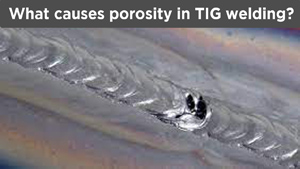
A TIG weld should sound smooth and steady, so when the arc suddenly starts popping and throwing tiny sparks, something is clearly off.
The puddle becomes harder to control, the bead loses its clean appearance, and frustration builds fast—especially when everything seemed set up correctly. That’s usually when welders start asking, why is my tig weld spitting instead of flowing smoothly.
In real shop conditions, TIG spitting can come from several small issues that are easy to overlook. Contaminated metal, poor gas coverage, incorrect polarity, or even a worn tungsten can turn a clean arc into a messy one within seconds.
I’ve seen perfectly good setups produce rough, unstable welds simply because of moisture in the filler rod or a tiny air leak in the gas line.
Understanding what causes the problem matters because TIG welding depends heavily on consistency and precision. The sooner you identify the source, the easier it is to improve bead quality, reduce contamination, and avoid wasting material.
I’ll walk through the most common reasons TIG welds start spitting and the practical fixes that actually work in the shop.
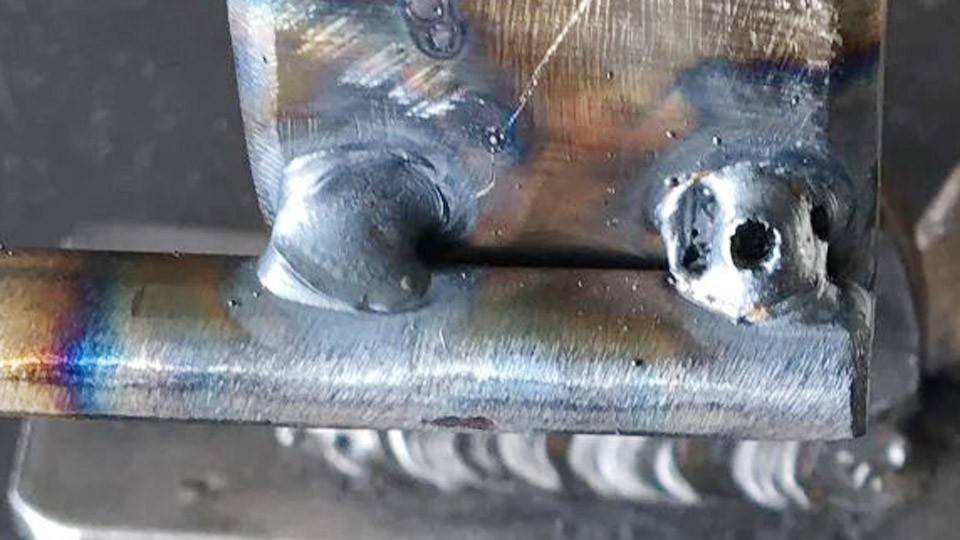
Image by weldingweb
What Does TIG Weld Spitting Actually Look Like?
It often starts with a crackly arc sound instead of the steady hiss you want. The puddle might boil or flutter, throwing sparks or little metal balls onto the surrounding metal. Your tungsten can pick up contamination quickly, turning black or balling unevenly.
On aluminum, you might see oxide popping; on steel or stainless, it looks like porosity forming right in front of your eyes.
This isn’t normal spatter like MIG. TIG should be clean and controlled. When it spits, the shielding is compromised or the pool chemistry is off.
Primary Causes of Spitting in TIG Welding
Poor Shielding Gas Coverage
This is the most common culprit by far. Argon (or your mix) isn’t protecting the pool properly, so atmospheric oxygen and nitrogen rush in, causing reactions that make the puddle spit and form porosity.
Too low a flow rate fails to push air away. Too high creates turbulence that sucks air in behind the cup. Drafts from fans, open doors, or even your own movement can wreck coverage.
Contaminated Base Metal or Filler Rod
Oil, grease, dirt, mill scale, or even marker lines vaporize and create gas pockets. On tubing, inside contaminants get pulled into the pool as it heats. Aluminum loves to hold moisture and oxides. Stainless shows rust or cutting fluids easily.
Tungsten Issues
Wrong diameter for your amperage, contaminated tip from touching the pool, or poor sharpening. A balled or split tungsten makes the arc wander and unstable, leading to spitting. Generic or low-quality tungsten often causes problems right away.
Incorrect Machine Settings
Wrong polarity (especially on aluminum), bad balance on AC, amperage too high or too low for travel speed, or excessive arc length. Long arcs stretch and weaken shielding, letting air in.
Gas Delivery Problems
Leaky hoses, loose torch connections, clogged gas lens screens, bad cylinder gas, or moisture in the line. I’ve seen brand new bottles that were contaminated or misfilled.
Joint Fit-Up and Heat Management
Poor fit-up creates gaps where air hides. Too slow travel speed lets the pool overheat and absorb gases. Thin material with high amps causes burn-through and spitting.
How to Diagnose Spitting Step by Step
Start simple and work through the system like checking a torch for leaks.
Check your gas first — Verify the cylinder is full and the right gas (pure argon for most TIG). Open the valve fully. Set flow to 15-20 CFH for most cup sizes; test by watching the gas at the cup.
Inspect the torch — Look for loose collet, back cap, or cracked ceramic. Clean gas lens screens. Ensure the tungsten sticks out the right amount (usually 1/8″ to 1/4″ past the cup).
Clean everything — Wipe base metal with acetone or isopropyl. Use a dedicated stainless brush for each material. Clean filler rod too. For aluminum, stainless steel wool or a dedicated file works well.
Test your tungsten — Grind it fresh, lengthwise, to a point (or slight flat for DC). Match diameter to amps: 1/16″ for up to ~100A, 3/32″ for 100-200A typical ranges.
Run a test bead — On scrap of the same material and thickness. Watch the puddle behavior closely.
Fixing Spitting: Practical Settings and Techniques
Gas Flow and Torch Setup
Use a gas lens for better coverage on most jobs—it allows higher flow without turbulence. For outdoor or drafty shops, go bigger cup or add a trailing shield. Post-flow should run 10-15 seconds to protect the cooling puddle and tungsten.
Amperage and Travel Speed
Match heat to material. For 1/8″ aluminum, start around 120-160A AC depending on machine and joint. Move fast enough to keep the pool controlled but not so fast you lose fusion. Practice “walking the cup” or freehand with steady rhythm.
Tungsten and Polarity
DCEN for steel and stainless. AC for aluminum with proper balance (more EN for penetration, EP for cleaning). Keep arc short—about the diameter of the tungsten or less.
Filler Rod Technique
Add filler smoothly without dipping into the pool or pulling it through air. Preheat larger aluminum pieces or use pulse if your machine has it to control heat.
Joint Preparation
Bevel as needed for penetration. Clean at least 1-2 inches back from the joint. For pipe or tube, clean inside too. Tack welds should be clean and fully fused.
Material-Specific Advice
Aluminum
Oxides are the enemy. Clean aggressively right before welding. Use 4043 or 5356 filler depending on alloy. AC balance around 65-75% EN on inverters. Spitting often comes from moisture or too much EP (dirty cleaning action).
Stainless Steel
Use pure argon. Back purge when possible on pipe. Keep heat low to avoid sensitization. 308 or 316 filler for common grades. Spitting here often signals sugar (oxidation) from poor gas or heat.
Mild Steel
More forgiving but mill scale causes issues. Grind or wire brush. DCEN, pure argon.
Titanium and Exotic
Extra care with trailing shields and perfect cleanliness. Any spitting usually means compromised shielding—reject and redo.
Comparison of Common Causes and Quick Fixes
| Cause | Symptoms | Quick Fix | Prevention Tip |
|---|---|---|---|
| Poor Gas Coverage | Popping, porosity, black tungsten | Increase flow slightly, check leaks | Gas lens + post-flow |
| Contamination | Boiling puddle, inclusions | Solvent clean + brush | Dedicated tools per material |
| Bad Tungsten | Wandering arc, spitting sparks | Regrind or replace | Quality 2% thoriated or lanthanated |
| Wrong Amps/Arc Length | Unstable pool, excessive heat | Adjust down, shorten arc | Test on scrap first |
| Drafts/Turbulence | Intermittent spitting | Shield area or bigger cup | Shop curtains in windy conditions |
Common Mistakes Even Pros Make
Rushing cleanup between passes. Using the same brush for steel and aluminum. Setting gas flow once and forgetting it changes with cup size or altitude. Ignoring small leaks that worsen over time.
Pushing too hard on thin material instead of pulsing or weaving. Buying cheap tungsten or filler that introduces its own problems.
I’ve done all of these at some point. The difference now is I catch them in the first inch of weld instead of after the whole bead.
Step-by-Step: Building a Clean TIG Bead Without Spitting
- Prepare your material thoroughly.
- Set machine: correct polarity, balance, amperage with foot pedal for control.
- Flow gas and test torch.
- Strike arc, form puddle without filler first.
- Add filler rhythmically into the leading edge of the pool.
- Travel steady, keeping the puddle size consistent.
- End with crater fill or downslope if available.
- Let post-flow protect until cool.
Safety Reminders in the Shop
Spitting can throw hot metal—wear proper gloves, jacket, and eye protection with the right shade. Good ventilation matters because contaminated welds can produce more fumes. Keep your workspace clean to avoid tripping or fire hazards from sparks.
Wrapping Up the Spitting Problem
Once you nail gas coverage, cleanliness, and heat control, TIG welding becomes the precise, beautiful process it’s meant to be. You’ll spend less time grinding and more time laying down beads that look like they belong in a textbook—or better, on a paying customer job.
The single best pro tip I can give: Slow down on setup. Spend five extra minutes checking gas, cleaning, and testing on scrap. That time saves hours of rework and keeps your tungsten sharp for the next real weld.
FAQs About TIG Weld Spitting
Why does my TIG arc make a crackling sound and spit on aluminum?
Usually poor gas coverage or dirty metal. Clean the aluminum oxide right before welding and check your AC balance—too much cleaning action (high EP) can stir up oxides. Lower flow if it’s too turbulent or raise it if coverage is weak.
Can high gas flow cause spitting in TIG?
Yes. Excessive flow creates turbulence that pulls air into the shield. Start at 15 CFH and adjust while watching the puddle. A gas lens helps smooth it out.
My tungsten keeps getting contaminated even when I don’t touch the pool—why?
Back diffusion from poor post-flow, leaks in the torch, or drafts. Also check if your collet body or cup is damaged. Always use post-flow and keep the torch over the weld until it cools.
Does filler rod quality matter for spitting?
Absolutely. Dirty or moist rods introduce hydrogen and cause porosity that looks like spitting. Store rods clean and dry; wipe before use.
How do I stop porosity that looks like spitting on stainless pipe?
Back purge the inside with argon. Clean thoroughly inside and out. Use proper heat input and travel speed so gases can escape the pool before it freezes.