I was hunched over a piece of thin stainless, sweating under my hood, trying to keep the puddle from blowing through. The arc was smooth but unforgiving — every twitch of my hand showed up in the bead. That’s when I realized I didn’t just need steady hands; I needed to really understand how the machine itself worked.
Ever wondered how does a TIG welding machine work? You’re not alone — I learned it the hard way, one overheated tungsten at a time.
Once I figured out what was happening inside the welder — how the current, shielding gas, and pedal control all worked together — my welds went from frustrating to flawless. Knowing the science behind the setup isn’t just for tech geeks; it’s what separates a guess from a clean joint.
In this post, I’ll break it down in plain terms — how TIG machines actually function, what makes them different, and how you can use that knowledge to weld cleaner and smarter. Let’s get into it, step by step.

Image by millerwelds
What Is TIG Welding and Why It’s Worth Mastering
TIG stands for Tungsten Inert Gas – or Gas Tungsten Arc Welding (GTAW) if you’re filling out cert papers. It’s the process where a non-meltable tungsten electrode creates an intense electric arc to melt your base metal. You shield it all with argon gas, and optionally dip in a filler rod with your other hand. No automatic wire feed here – it’s all manual finesse.
Why bother? In the real world, TIG delivers the cleanest welds with zero spatter. I’ve used it on aircraft tubing where a single porosity could ground a plane, or food-grade stainless tanks that can’t have contaminants. For DIYers, it’s perfect for custom bike frames or hot rod panels.
Pros love it for thin stuff under 1/4-inch – no burn-through like stick. And hobbyists? Those “stacked dimes” beads look pro without post-weld cleanup.
Back in my early days, I blew my budget on MIG for a chopper build. Big mistake – wavy, sloppy beads everywhere. Switched to TIG, and suddenly my welds passed fab shop inspection. Cost efficiency? Yeah, argon ain’t cheap, but one tank lasts forever compared to flux-core wire.
How Does a TIG Welding Machine Actually Work?
At its core, your TIG machine turns electricity into a focused heat blast. Here’s the breakdown, straight from the bench.
The Electric Arc: Igniting the Fire
You flip the switch, and high-frequency (HF) start zaps a spark between the tungsten tip and workpiece – no scratching needed. This jumps to a stable arc at 6,000-10,000°F, melting metal into a puddle. The machine’s constant current power supply (drooping characteristic) keeps amps steady even if arc length wiggles – crucial for control.
I remember my first HF arc: Pop! Like a mini lightning show. Controls it all? Your foot pedal or finger amperage dial ramps heat from zero to max smoothly – soft start prevents crater cracks.
Shielding Gas: Your Invisible Guardian
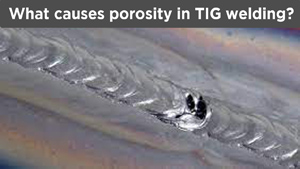
Argon (pure or helium mix) flows from the torch cup, blanketing the puddle and tungsten from air’s oxygen and nitrogen. No oxidation means shiny, strong welds. Flow? 15-25 cubic feet per hour (cfh). Too low? Porosity. Too high? Turbulence.
Pro tip: Always post-flow 10-20 seconds after pedal release. I skipped it once on aluminum – black oxidation ruined a $200 part.
Tungsten Electrode: Tough as Nails
This bad boy doesn’t melt (3,400°C melt point). Ground to a point for DC (narrow arc) or balled for AC (wider cleaning). Types: 2% lanthanated (blue, my fave – long life, no radiation), pure (green for AC alum).
Touch it to the puddle? Contaminated – grind it off. Happened to me mid-job; lost 30 minutes.
Key Components of a TIG Welding Machine
Don’t fire it up blind. Here’s your setup:
| Component | What It Does | My Pick for Everyday |
|---|---|---|
| Power Source | Converts AC to weld-ready DC/AC | Miller Syncrowave 210 (versatile, pulse) |
| Torch | Holds tungsten, gas, optional water cool | CK Worldwide 9-series (flex head) |
| Tungsten | Creates arc | 1/16″-3/32″ 2% lanthanum |
| Gas Regulator | Sets 15-25 cfh argon | Victor ESS 25 |
| Foot Pedal | Amps control | Super Snoop (smooth) |
| Filler Rods | Fills gaps | ER70S-6 steel, 4043 alum |
| Work Clamp | Completes circuit | 300A copper |
Assemble like this: Clamp work lead to scrap. Hook gas. Insert tungsten (1/4″ stick-out). Purge lines 30 seconds.
AC vs DC TIG Welding: Match It to Your Metal
DCEN (electrode negative): 70% heat to workpiece – penetration king for steel, stainless, titanium. Arc’s tight.
DCEP (electrode positive): Rarely solo – balls tungsten.
AC: Alternates for aluminum/magnesium. Positive half cleans oxides (stubborn on alum), negative penetrates. Balance control (60-80% EN) dials cleaning vs penetration. Frequency 100-200Hz – higher for focused arc.
Steel job? DCEN. Alum bike frame? AC, 120Hz. I fried tungsten on DC alum once – lesson learned.
Step-by-Step: Setting Up Your TIG Welder Right
- Prep metal: Grind clean (80-grit). Acetone wipe. No oils!
- Machine on: Select TIG, polarity (DC/AC), HF start.
- Tungsten in: Grind lengthwise on dedicated wheel. Point for DC.
- Gas check: 20 cfh. Listen for hiss.
- Pedal test: Ramp to max amps slowly.
- Strike arc: Hood down, 1/8″ from work. Hear HF buzz? Good.
- Puddle time: Circle for even heat.
Anecdote: Forgot to clamp ground once – no arc, just sparks. Facepalm.
Dialing in TIG Settings for Steel, Aluminum, and Stainless
Settings vary by thickness, but start here:
| Material | Thickness | Amps | Polarity | Tungsten | Filler Rod | Gas (cfh) | Cup Size |
|---|---|---|---|---|---|---|---|
| Mild Steel | 1/8″ | 90-120 | DCEN | 1/16″ pointed | ER70S-6 | 15-20 Argon | #6 |
| Mild Steel | 1/4″ | 140-180 | DCEN | 3/32″ pointed | ER70S-6 | 20 Argon | #8 |
| Stainless | 1/8″ | 80-110 | DCEN | 1/16″ pointed | ER308L | 15-20 Argon | #6 |
| Aluminum | 1/8″ | 110-140 | AC | 3/32″ balled | 4043 | 20-25 Argon | #8 |
| Aluminum | 1/4″ | 160-200 | AC (70% balance) | 1/8″ balled | 5356 | 25 Argon/Helium | #10 |
Pulse TIG? On/ for thin stuff – 1-2 pulses/sec drops heat 30%. My Miller pulse saved a 1/16″ stainless sheet.
Travel speed: 4-8 IPM. Angle torch 15-20° push.
How to Strike an Arc and Nail That Perfect TIG Bead
Foot down easy – puddle forms. Torch 70-80° angle, tungsten 1/16-1/8″ off work. Dip rod at 15° – heat end, dab quick. Move steady: Forward for fillet, weave slight for butt.
Stacked dimes: Pause, dip, pause – like stacking coins. Practice on 1/8″ plate. My first? Blobby mess. Week later? Showpiece.
Joint prep: Bevel thick stuff 30°. Tack every inch.
Common TIG Welding Mistakes and Quick Fixes
- Tungsten contamination: Fix – Cut off tip, regrind. Prevention: Longer arc.
- Porosity: Dirty metal/gas leak. Fix: Grind out, reweld.
- Black puddle: Wrong gas/no post-flow. Fix: Pure argon, 15s post.
- Arc wander: Blunt tungsten. Fix: Reground.
- Thin blow-through: Too hot. Fix: Pedal off, pulse on.
I melted a trailer fender once – amps jacked, pedal stuck. Dropped to 60A, good.
TIG Welding Safety: Gear Up Before You Light It
Must-haves:
- Auto-darkening hood (shade 9-13).
- Leather jacket/gloves.
- FR pants/boots.
- Respirator for stainless.
UV burns? Hood always. Argon asphyxiation? Vent shop. Hot rod? Tongs.
Codes: AWS D1.1 for structural. Cert if commercial.
TIG vs MIG vs Stick: Choose Smart for Your Build
| Process | Speed | Skill | Cleanliness | Best For | Cost |
|---|---|---|---|---|---|
| TIG | Slow | High | Spotless | Thin/exotic | $$ |
| MIG | Fast | Medium | Spattery | Thick steel | $ |
| Stick | Medium | Low | Slaggy | Outdoors/dirty | Cheap |
TIG for beauty/strength. MIG for production. Stick for rusty farm fixes.
Top TIG Machines for USA Shops in 2025
Budget DIY: YesWelder MIG-205DS ($400) – AC/DC, pulse.
Hobby Pro: Lincoln Square Wave 200 ($1,800) – Reliable.
Shop Beast: Miller Dynasty 210 ($5k) – Auto settings.
Rent argon locally – $20/fill.
Wrapping Up
From arc basics to bead perfection. Now you know how a TIG welding machine works, why it’s unbeatable for weld integrity, and the tricks for cost-saving, safe runs. Clean everything, control heat with pedal, match settings to metal. You’re prepped for trailers, bikes, or cert jobs – way ahead of the average shop newbie.
Practice 30min daily on scrap. Film your beads – review, improve. Fire that machine and stack some dimes. Hit me in comments with your first weld pics!
FAQ
What’s the difference between TIG and MIG welding?
TIG’s manual, precise with non-consumable tungsten – clean, slow, pro looks. MIG auto-feeds wire – fast, forgiving, but spattery. TIG for thin/fancy; MIG for thick production.
Can a beginner learn TIG welding at home?
Absolutely – start DC steel at 80A. Pedal control takes practice, but 20 hours gets basics. Cheap machine + scrap = pro skills fast.
What shielding gas do I need for TIG welding?
Pure argon 99.9% for most. Helium mix for thick alum penetration. 20cfh flow. One 20cf tank = 100+ hours.
How do I pick the right tungsten electrode for TIG?
1/16″ 2% lanthanated (blue) for steel up to 150A. 3/32″ pure (green) for AC alum. Grind point DC, ball AC.
Why is my TIG weld turning black or porous?
Oxidation – dirty metal, low gas, no post-flow. Clean with SS brush (per metal), 20cfh argon, 15s post. Grind/reweld.