Gas Tungsten Arc Welding (GTAW), also known as TIG welding, might sound like something only industrial pros use, but understanding when to use it can save you time, money, and frustration on home projects.
Whether you’re repairing stainless steel countertops, fixing aluminum frames, or tackling delicate metalwork, GTAW offers precision, clean welds, and superior control compared to other welding methods.
Homeowners and DIY enthusiasts often wonder, “Is it worth the effort?” or “Which materials benefit most?” The answer lies in its ability to produce strong, corrosion-resistant joints while minimizing cleanup and mess—just like choosing the right cleaning products ensures a spotless, stain-free surface.
In this guide, I’ll explore practical scenarios where GTAW shines, helping you make informed decisions for your welding and home maintenance projects.

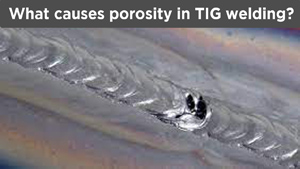
Photo by akshansh11
What Is Gas Tungsten Arc Welding?
Let’s start with the basics GTAW is a welding process that uses a non-consumable tungsten electrode to produce the arc. The arc is shielded by an inert gas, usually argon or helium, which protects the weld pool from contamination.
Unlike MIG welding, where the wire feeds automatically, GTAW often requires you to manually feed a filler rod into the weld pool. This hands-on approach gives you unmatched control over the weld.
I remember my first time using GTAW in a shop class. I was nervous, trying to balance the torch, the filler rod, and my foot on the pedal. It felt like patting my head and rubbing my stomach at the same time! But once you get the rhythm, it’s like painting with fire. The process is slow, deliberate, and perfect for projects where appearance and strength matter.
Why It Matters in the Real World
GTAW shines in situations where weld integrity is critical. Think aerospace, where a single bad weld could spell disaster, or food-grade stainless steel, where contamination-free welds are a must. It’s also a lifesaver for thin materials, as it produces less heat than other processes, reducing warping or burn-through.
Safety-wise, GTAW’s clean arc means less spatter and fumes, but you still need proper ventilation and PPE—don’t skip the welding helmet or gloves!
When to Choose Gas Tungsten Arc Welding
So, when should you fire up the TIG welder? GTAW is your go-to for specific materials, thicknesses, and applications. Here’s a breakdown of scenarios where it’s the best choice.
Welding Thin Materials
GTAW is a superstar for thin metals—think sheet metal, tubing, or anything under 1/8 inch thick. The low heat input and precise control let you weld without burning through or distorting the material.
For example, I’ve used GTAW to weld 16-gauge stainless steel for a custom kitchen backsplash. The result? Clean, smooth welds that looked as good as they held.
Pro Tip: Start with low amperage and practice on scrap. Gradually increase the heat until you see a consistent weld pool without melting through.
Working with Stainless Steel
Stainless steel is a common material in fabrication, from restaurant equipment to medical devices. GTAW’s inert gas shield prevents oxidation, ensuring a corrosion-resistant weld. I once helped a buddy weld a stainless exhaust system for his car. We used GTAW with a 308L filler rod, and the welds were so clean you could see your reflection in them.
Common Mistake: Don’t rush prep work. Stainless needs to be spotless—use a dedicated stainless brush to avoid contamination.
Aluminum and Exotic Metals
GTAW is often the only choice for aluminum, titanium, or other non-ferrous metals. Its ability to handle alternating current (AC) makes it ideal for aluminum, which has an oxide layer that needs breaking down. I’ve welded aluminum bike frames with GTAW, and the process’s precision ensured strong, lightweight joints.
Machine Settings: For aluminum, use AC with a high-frequency start. Set your balance control to around 70% electrode negative for better cleaning action.
Critical Welds for High-Stakes Projects
If you’re working on something where failure isn’t an option—like pressure vessels or aircraft parts—GTAW is your process. It meets strict welding codes, like those from the American Welding Society (AWS), and produces welds that pass X-ray or dye-penetrant tests. I’ve seen GTAW used on nuclear plant components, where every weld had to be perfect.
Safety Note: Always double-check your gas flow (15–20 CFH for argon) to avoid porosity, which can weaken critical welds.
Comparing GTAW to Other Welding Processes
To understand when GTAW is the right choice, let’s compare it to other common welding processes. Here’s a quick table to break it down:
| Process | Best For | Pros | Cons |
|---|---|---|---|
| GTAW (TIG) | Thin materials, stainless, aluminum | Precise, clean, versatile | Slow, requires skill |
| MIG (GMAW) | Heavy steel, production welding | Fast, easy to learn | Messy, less precise |
| Stick (SMAW) | Outdoor, dirty steel | Portable, forgiving on rusty metal | Rough welds, more cleanup |
When GTAW Beats MIG or Stick
MIG is great for speed, but it can’t match GTAW’s finesse on thin or exotic metals. Stick welding is tough for outdoor jobs, but its welds are rougher and less suited for visible work. GTAW’s edge is its clean, controlled arc, which is why it’s the choice for high-end fabrication or repairs.
I once tried MIG on a thin aluminum panel to save time. Big mistake—burn-through city! Switching to GTAW saved the project, but I learned to respect the process’s strengths.
Step-by-Step Guide to GTAW
Ready to try GTAW? Here’s a practical guide to get you started, whether you’re in a garage or a professional shop.
Step 1: Prep Your Workspace
Safety first. Clear your area of flammables, wear a welding jacket, gloves, and an auto-darkening helmet (shade 10–12 for GTAW). Ensure good ventilation—argon is safe, but welding fumes aren’t. Set up your machine with a foot pedal or fingertip control for amperage.
Step 2: Choose Your Tungsten and Filler
Pick a tungsten electrode based on your material:
- Pure tungsten (green tip): Good for aluminum on older machines.
- 2% Thoriated (red tip): Great for steel, but handle with care (it’s mildly radioactive).
- 1.5% Lanthanated (gold tip): Versatile for steel and aluminum.
For filler rods, match the rod to your base metal (e.g., 308L for stainless, 4043 for aluminum). Keep rods clean and dry.
Step 3: Clean the Metal
GTAW demands clean metal. Use a wire brush or acetone to remove oil, dirt, or oxide layers. For aluminum, a stainless steel brush is a must to avoid contamination. I once skipped this step on a rush job and ended up with porous welds—lesson learned!
Step 4: Set Up Your Machine
- Gas: Use pure argon (or an argon-helium mix for thicker materials). Set flow to 15–20 CFH.
- Amperage: Start low (50–100 amps for thin metal) and adjust based on your weld pool.
- Polarity: Use DC electrode negative (DCEN) for steel, AC for aluminum.
Step 5: Weld with Control
Strike the arc with a high-frequency start (don’t scratch!). Hold the torch at a 10–15° angle, and dab the filler rod into the leading edge of the weld pool. Use the foot pedal to control heat. Practice makes perfect—start with a simple bead on flat stock.
Common Mistake: Don’t dip the tungsten in the weld pool. It contaminates the electrode, and you’ll need to regrind it.
Practical Tips for GTAW Success
Here are some shop-tested tips to level up your GTAW game:
Grind Your Tungsten: Use a dedicated grinder to shape the tungsten to a point for steel or a slight ball for aluminum. A clean tip improves arc stability.
Use a Gas Lens: A gas lens on your torch improves shielding gas coverage, especially for stainless or titanium.
Practice Foot Pedal Control: Vary the amperage to match your weld pool size. It’s like driving a manual car—smooth transitions are key.
Avoid Overheating: Take breaks on thin materials to prevent warping. I keep a spray bottle of water handy to cool parts between passes.
Pros and Cons of Gas Tungsten Arc Welding
Let’s weigh the good and the bad to help you decide if GTAW is right for your project.
Pros
- Precision: Perfect for intricate or visible welds.
- Versatility: Works on nearly any metal, from steel to magnesium.
- Clean Welds: Minimal spatter and no slag mean less cleanup.
- Meets Codes: Ideal for industries with strict standards, like aerospace or food processing.
Cons
- Slow Process: GTAW takes time, especially for beginners.
- Skill-Intensive: Requires coordination and practice.
- Equipment Cost: TIG welders and accessories can be pricier than MIG or stick setups.
- Not Ideal for Thick Materials: For heavy steel, MIG or stick is faster.
Real-World Applications of GTAW
GTAW is everywhere in welding. Here are some common uses:
- Automotive: Custom exhausts, roll cages, or aluminum body panels.
- Aerospace: Aircraft frames, engine components, or titanium parts.
- Food and Beverage: Stainless steel tanks or piping for breweries and dairies.
- Art and Sculpture: Clean welds for metal artwork or custom furniture.
- Repairs: Fixing delicate parts, like cracked aluminum castings.
I once used GTAW to repair a cracked aluminum lawnmower deck. The owner thought it was a goner, but with careful prep and a 4043 filler rod, it was good as new. That’s the kind of versatility GTAW brings to the table.
Conclusion
Gas tungsten arc welding is your go-to when precision, cleanliness, and material versatility matter most. Whether you’re a DIYer tackling a custom project, a student learning the ropes, or a pro welding critical components, GTAW gives you the control to create strong, beautiful welds.
It’s not the fastest or easiest process, but when the job demands quality—like thin stainless, aluminum, or high-stakes welds—it’s unbeatable. You’re now armed with the know-how to choose GTAW, set up your machine, and avoid common pitfalls. So, grab your torch, practice on some scrap, and weld with confidence!
FAQ
What metals can you weld with GTAW?
GTAW is incredibly versatile. You can weld steel, stainless steel, aluminum, titanium, magnesium, and even exotic alloys like Inconel. Just match your filler rod and machine settings to the material.
Is TIG welding the same as GTAW?
Yes, TIG (tungsten inert gas) welding is just another name for GTAW. The terms are interchangeable, but GTAW is the official name used in welding codes and standards.
How do I avoid contamination in GTAW welds?
Cleanliness is everything. Use acetone or a wire brush to clean the metal, store filler rods in a dry container, and ensure your gas flow is steady (15–20 CFH). Avoid touching the weld area with bare hands—oils can cause porosity.
Can beginners learn GTAW?
Absolutely, but it takes practice. Start with simple beads on flat steel, focus on torch and filler rod coordination, and don’t get discouraged. GTAW’s learning curve is steep, but the results are worth it.
Why is GTAW so slow compared to MIG?
GTAW is slower because it’s a manual process—you control the filler rod and heat with a foot pedal. MIG’s automatic wire feed speeds things up but sacrifices precision. For high-quality welds, GTAW’s pace is a fair trade-off.