
Getting a clean, stable bead on aluminum with TIG welding can feel like a completely different skill compared to steel. The puddle moves fast, heat spreads quickly, and if the settings aren’t right, the arc becomes hard to control in seconds.
That’s exactly where the question Why AC for TIG Welding Aluminum becomes important for anyone trying to get consistent results.
In practical welding work, aluminum behaves differently because of its oxide layer and fast heat absorption. If you try to weld it using DC, the arc tends to struggle with cleaning the surface properly, leading to weak fusion or contaminated welds. I’ve seen good welders fight with puddle control simply because the polarity wasn’t set for the material.
That’s why this topic matters more than it seems at first. Choosing AC isn’t just a settings preference—it directly affects penetration, cleaning action, and overall weld quality.
I’ll break down why AC is used, what it actually does to the weld pool, and how it helps you achieve cleaner, stronger aluminum TIG welds in real-world conditions.
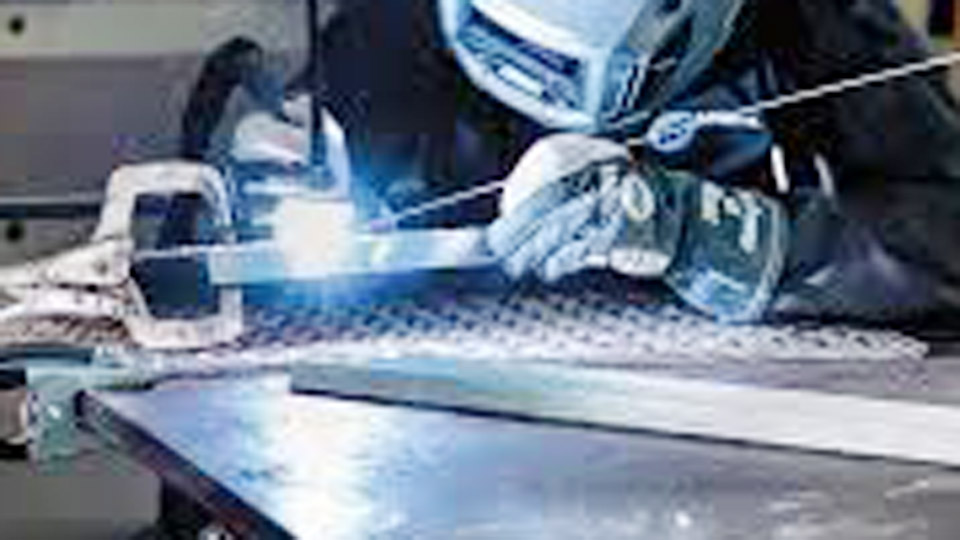
Image by thefabricator
What Makes Aluminum So Different from Steel in TIG Welding?
Aluminum conducts heat extremely well—about five times better than steel. It also expands and contracts more, leading to distortion if you’re not careful with heat input. Most importantly, that oxide layer forms instantly when exposed to air.
When you strike an arc on aluminum with DCEN (the polarity we love for steel), the arc sits on top of the oxide without breaking through properly. The puddle looks dirty, the filler doesn’t flow nicely, and you get black soot or inclusions. DC alone doesn’t give you the “scrubbing” needed.
AC flips polarity rapidly. The electrode-positive (EP) portion blasts away the oxide like a miniature sandblaster. The electrode-negative (EN) portion delivers the heat and penetration into the base metal. That combination is why AC became the standard for aluminum TIG.
How AC TIG Actually Works on Aluminum
In AC mode, the current switches direction many times per second. On modern inverter machines common in US shops—like Miller Dynasty, Lincoln, or Everlast—you control the balance between EN and EP.
EN cycle (negative electrode): Most of the heat goes into the workpiece. This is where penetration happens.
EP cycle (positive electrode): Electrons flow from the workpiece to the tungsten, breaking up and removing the oxide layer. You see this as a wider, etched-looking cleaning zone around the bead.
Older transformer machines ran at fixed 60 Hz with roughly 50/50 balance. Today’s inverters let you adjust frequency from 50 Hz up to 250+ Hz and balance from 60-80% EN or more. Higher EN percentage means more penetration and less tungsten erosion but requires cleaner metal.
When Should You Use AC TIG for Aluminum?
Use AC anytime you’re TIG welding aluminum or magnesium alloys. It shines on:
- Thin sheet (0.040″ to 1/8″) for auto body, tanks, or brackets
- Medium plates up to 3/8″ for frames and repairs
- Thick castings or structural parts where you need controlled heat
For very thick sections, some pros experiment with DCEN plus helium and mechanical oxide removal, but AC remains the reliable go-to for most shop work. It gives better arc stability and that signature clean appearance hobbyists and professionals both chase.
Avoid AC on steel or stainless—that’s DCEN territory. Mixing them up leads to poor penetration or tungsten contamination.
AC vs DC TIG for Aluminum: Practical Comparison
Here’s a straightforward breakdown based on what I’ve seen in the shop:
AC TIG for Aluminum
- Excellent oxide cleaning
- Good puddle control and visibility
- Balanced heat input
- Wider arc cone (adjustable with frequency)
- Ideal bead appearance
- Standard on most AC/DC machines
DC TIG (usually DCEN) on Aluminum
- Deeper penetration possible on thick material
- Narrower arc
- Faster travel speeds in some cases
- Requires thorough mechanical oxide removal (stainless wire brush, dedicated grinder)
- Risk of inclusions if oxide isn’t fully removed
- Tungsten stays sharper longer but arc can be unstable without perfect prep
In practice, I reach for AC 95% of the time on aluminum. DC is a specialty trick for specific thick applications after heavy prep.
Choosing the Right Machine and Tungsten for AC Aluminum
Any modern AC/DC TIG inverter will handle aluminum well. Look for machines with adjustable AC balance and frequency. US favorites like the Miller Syncrowave or Dynasty series, or more affordable options with square wave technology, make a big difference over old sine wave transformers.
Tungsten choices:
- 2% ceriated or lanthanated (gold or blue band) – my everyday pick
- Pure tungsten (green) works but balls up more and doesn’t hold a point as well
- Diameter: 3/32″ for most 1/8″ and under work; 1/8″ for thicker material and higher amps
Sharpen the tungsten to a point for AC, but it will naturally form a small ball during welding. Don’t let it get too big—that reduces control.
Amperage, Balance, and Frequency Settings That Work
Rule of thumb I use: approximately 1 amp per 0.001″ of thickness. For 1/8″ (0.125″) aluminum, start around 125 amps and adjust from there.
Starting settings for common jobs (pure argon, 15-20 CFH):
- 1/16″ aluminum: 50-80 amps, 100-120 Hz, 65-75% EN
- 1/8″ aluminum: 110-150 amps, 80-120 Hz, 70-75% EN
- 1/4″ aluminum: 180-250 amps, 60-100 Hz, 75-80% EN
AC Balance tips:
- More cleaning (lower EN %): Dirty or anodized material
- More penetration (higher EN %): Clean material, thicker sections
- Watch the tungsten—if it melts too much, increase EN or use bigger diameter
Frequency:
- Lower (60-100 Hz): Wider arc, more heat, good for filling gaps or thick material
- Higher (120-200 Hz): Focused arc, better control on thin material or precise placement
Test on scrap. Every alloy and joint type behaves a little differently. 6061 is forgiving; 5052 or castings can be pickier.
Joint Preparation and Material Handling – Don’t Skip This
Cleanliness is non-negotiable. I wipe with acetone or alcohol, then use a dedicated stainless steel brush just for aluminum. For critical work, scrape with a carbide tool or grind with a 40-80 grit flap disc made for aluminum, then brush.
Bevel thick joints properly. Use a 60-70° included angle for good penetration and filler addition. Back-purge with argon on pipes or tanks to prevent oxidation on the backside.
Clamp or fixture pieces to control distortion. Aluminum moves a lot. Tack welds should be strong enough but not too big—grind tacks if needed for smooth transitions.
Filler rod selection:
- 4043: Most common, good fluidity, less crack sensitive
- 5356: Stronger, better color match on 5xxx series, more crack resistant in some cases
Keep rods clean and stored dry.
Step-by-Step: TIG Welding Aluminum with AC
- Set machine to AC mode, dial in balance and frequency.
- Prep metal thoroughly.
- Flow gas, strike arc (use high frequency start).
- Form a small puddle—watch for the oxide breaking and the surface shining.
- Add filler with the hand that feels natural—dab or push depending on preference.
- Travel at a speed that keeps the puddle controlled without overheating.
- Use push technique for better cleaning and appearance.
- End with crater fill and post-flow gas to protect the cooling puddle.
On thin material, pulse if your machine allows—it reduces heat input dramatically.
Common Mistakes I See (and How to Fix Them)
Beginners often fail to clean the metal enough. Even “clean” mill finish has oxide. Result: sooty welds or porosity.
Running too much EP (too much cleaning) melts the tungsten fast and widens the arc too much. Too little EP and you get dirty beads.
Wrong travel speed: too slow overheats and distorts; too fast causes lack of fusion.
Ignoring tungsten prep—using a contaminated or wrong-shaped electrode leads to arc wander.
Forgetting that aluminum requires faster travel speeds than steel once the puddle forms. It’s like chasing the puddle sometimes.
Safety Considerations in the Shop
Aluminum reflects UV light intensely—use good shade (9-12 depending on amps) and cover skin completely. Ozone production is higher with AC TIG, so ventilate well, especially in confined spaces.
Wear leather or flame-resistant sleeves. Keep your workspace dry—aluminum and water don’t mix safely around electricity.
Pros and Cons of AC TIG on Aluminum
Pros:
- Superior oxide removal for clean welds
- Excellent control and appearance
- Versatile across thicknesses with modern machines
- Forgiving once settings are dialed
Cons:
- Requires AC/DC capable machine (more expensive than DC-only)
- Tungsten erodes faster than pure DCEN
- Learning curve for balance and frequency
- Higher skill needed for thin material to avoid burn-through
Real-World Applications and Examples
I’ve used AC TIG to repair aluminum boat hulls, fabricate intake manifolds, build custom motorcycle frames, and weld trailer components. On a recent job repairing a cracked 1/4″ 6061 bracket, AC with 70% EN at 180 amps gave perfect penetration without excessive distortion.
For thin 0.063″ sheet on a fuel tank, higher frequency (150 Hz) and lower balance helped control the puddle beautifully.
Advanced Tips from the Shop Floor
Experiment with waveforms if your machine offers them—square wave is more efficient than old sine wave. Use gas lens cups for better shielding on tricky joints. Keep multiple tungsten preps ready so you don’t stop mid-job.
On production or repetitive work, set up pulse settings: peak amps for penetration, background for cooling. It makes thin aluminum much easier.
Putting It All Together
After years of welding, AC TIG on aluminum comes down to understanding that cleaning and penetration dance. Master your machine’s balance and frequency, respect the material’s properties, and stay religious about preparation. You’ll move from frustrated beads to confident, strong, good-looking welds that hold up in the real world.
The best pro tip I can leave you with: always do a test coupon on the exact same alloy and thickness as your job, with the same joint prep.
Settings that work great on one batch of scrap can surprise you on the actual part if the material or fit-up is different. That habit alone will save more time and frustration than any single setting trick.
FAQ
Can I TIG weld aluminum with DC only?
You can on thicker material with aggressive mechanical cleaning and helium mixes, but results are inconsistent and usually dirtier. AC is far more practical and reliable for most situations.
What AC balance should I start with?
Around 70-75% EN on clean material. Increase cleaning (lower EN) for oxidized or dirty stock. Watch the tungsten and puddle closely.
Why does my aluminum weld look black or sooty?
Usually insufficient cleaning—either wrong polarity/balance, poor prep, or contaminated filler/tungsten. Increase EP time slightly and clean better.
How important is frequency on inverter machines?
Very. Lower for thicker material and wider beads, higher for control on thin stuff. 100 Hz is a solid all-around starting point.
Is AC TIG harder than MIG for aluminum?
TIG gives better appearance and control, especially on thin or visible work, but requires more skill and time. MIG with a spool gun is faster for larger fabrication. Many shops use both depending on the job.


