Aluminum is one of those metals that can be tricky to work with, especially when it comes to soldering. If you’ve ever tried using a standard soldering iron on aluminum, you might have noticed that the solder just doesn’t seem to stick.
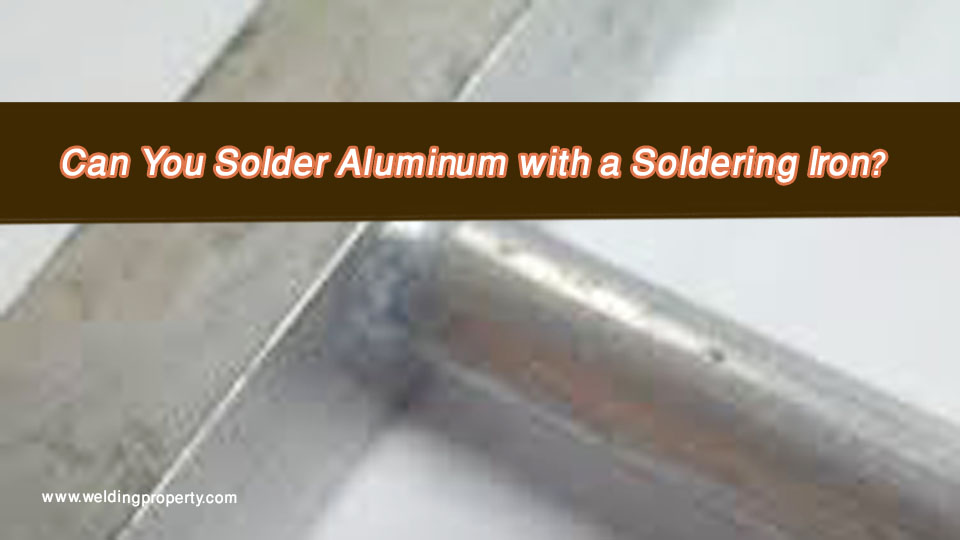
Image by danteoficial
I’ve been there too, and I remember the frustration of trying to make a solid bond, only to watch the solder bead up and roll away. But the good news is that it is possible to solder aluminum with a soldering iron—you just need the right technique and materials.
I’ll walk you through everything you need to know, from why aluminum is difficult to solder to how you can actually get the job done successfully.
Why Is Aluminum Hard to Solder?
Aluminum is known for its excellent conductivity and corrosion resistance, but these same properties make it challenging to solder. The main reasons are:
- Aluminum forms an oxide layer instantly. When exposed to air, aluminum develops a thin, invisible oxide coating that prevents solder from bonding.
- Traditional solder doesn’t work. Most common solders and fluxes are designed for copper and won’t bond to aluminum.
- Aluminum dissipates heat quickly. Because aluminum conducts heat so well, a standard soldering iron may struggle to maintain the necessary temperature for a good solder joint.
Can You Really Use a Soldering Iron on Aluminum?
Yes, but only if you use the right type of solder, flux, and technique. You won’t get the same results as soldering copper wires, but it’s possible to make strong, conductive connections.
Materials You Need for Soldering Aluminum
To successfully solder aluminum, you’ll need some specialized materials. Here’s what works best:
| Material | Purpose |
|---|---|
| Aluminum Soldering Flux | Removes oxide layer and allows solder to bond. |
| Aluminum-Compatible Solder | Usually zinc-based, designed to work with aluminum. |
| High-Power Soldering Iron (at least 60W) | Provides enough heat to overcome aluminum’s heat dissipation. |
| Fine-Grit Sandpaper or Steel Wool | Removes oxide layer before soldering. |
| Isopropyl Alcohol | Cleans surface before applying flux. |
Step-by-Step Guide to Soldering Aluminum with a Soldering Iron
If you have the right tools and follow these steps carefully, you can solder aluminum successfully.
Clean the Aluminum Surface
Aluminum’s oxide layer is the biggest obstacle when soldering. Use fine-grit sandpaper or steel wool to scrub the area where you’ll apply the solder. This removes oxidation and gives the solder a better chance to stick.
Apply Aluminum Flux
Unlike standard fluxes used for copper, aluminum soldering flux is specially formulated to break down the oxide layer. Apply a small amount to the cleaned aluminum surface. This will help the solder bond properly.
Heat the Aluminum
Aluminum absorbs heat quickly, so a standard soldering iron (below 60W) may not be enough. If possible, use a high-wattage iron (60W or more) to ensure you get enough heat to melt the solder.
Hold the soldering iron on the aluminum surface for 10-20 seconds to warm it up before applying solder. This helps counteract aluminum’s heat dissipation.
Apply Aluminum Solder
Use a zinc-based solder or an aluminum-compatible solder. Standard lead-based or tin-based solder won’t work well on aluminum.
Touch the solder to the heated aluminum surface (not the iron tip). If everything is done correctly, the solder will start flowing and bond with the metal.
Allow the Solder to Set
Once the solder has flowed properly, remove the heat and let it cool naturally. Don’t disturb the joint while it’s solidifying.
After cooling, inspect the solder joint. A good connection will look smooth and shiny, while a poor connection may appear dull or cracked.
Tips for Better Aluminum Soldering Results
- Use the right flux. Ordinary flux won’t work on aluminum. You need a flux specifically designed for aluminum soldering.
- Don’t rush the heating process. Aluminum needs a steady application of heat to reach the right temperature for soldering.
- Work in a well-ventilated area. Some aluminum fluxes release fumes, so make sure you have proper ventilation.
- Use mechanical support if needed. If you’re soldering aluminum wire or small parts, hold them in place with a clamp or third-hand tool to keep the joint steady.
Common Problems When Soldering Aluminum and How to Fix Them
| Problem | Cause | Solution |
|---|---|---|
| Solder won’t stick | Aluminum oxide layer is preventing bonding. | Clean surface and use aluminum-specific flux. |
| Solder beads up and rolls away | Incorrect solder type used. | Use zinc-based or aluminum-compatible solder. |
| Joint is weak or breaks easily | Not enough heat applied. | Use a higher-wattage soldering iron (at least 60W). |
| Solder joint is dull or brittle | Overheating or poor flux coverage. | Apply flux evenly and don’t overheat the solder. |
Alternative Methods for Joining Aluminum
If soldering aluminum with a soldering iron isn’t working for your project, there are other ways to join aluminum effectively:
- Brazing: Uses a higher-temperature process with an aluminum brazing rod and a torch. This provides a much stronger bond than soldering.
- Welding: If you need a permanent and high-strength joint, TIG welding is the best method for aluminum.
- Epoxy Bonding: Some industrial-strength epoxies are designed to bond aluminum without the need for heat.
When to Use Soldering vs. Other Methods
| Method | Best For |
|---|---|
| Soldering | Low-strength connections, small electronics, and thin aluminum parts. |
| Brazing | Medium-strength connections, pipes, and structural components. |
| Welding | High-strength applications, automotive repairs, and heavy-duty aluminum work. |
| Epoxy Bonding | Non-structural applications where heat isn’t an option. |
Conclusion
So, can you solder aluminum with a soldering iron? Yes, but only if you use the right materials and techniques. The biggest challenge is overcoming the oxide layer, but with aluminum-specific flux and solder, it’s possible to make a solid joint.
From my own experience, I’ve learned that patience and preparation are key. Aluminum doesn’t behave like copper, so it requires more effort and the right tools to get a good result. If soldering doesn’t work for your project, alternatives like brazing or welding might be better options.
If you’re just getting started with aluminum soldering, don’t get discouraged if it doesn’t work perfectly the first time. With a little practice, you’ll get the hang of it and be able to make clean, strong aluminum solder joints.
Frequently Asked Questions
Can I use regular solder on aluminum?
No, traditional lead-based or tin-based solder won’t bond with aluminum. You need a zinc-based aluminum solder.
What flux should I use for aluminum soldering?
Use an aluminum-specific flux, which helps remove the oxide layer and allows the solder to bond.
Why won’t my solder stick to aluminum?
Aluminum forms an oxide layer that prevents solder from bonding. You need to scrape the surface clean and use aluminum flux.
What temperature is needed to solder aluminum?
Aluminum requires a soldering temperature of around 350-400°C (660-750°F), which is higher than standard soldering.
Is it better to solder or weld aluminum?
If you need a strong, permanent joint, welding is the best option. Soldering works for small repairs or electrical connections.