Brazing aluminum to copper is one of those challenges that still gets my adrenaline pumping. The clash of two different metals, the precision needed to make them bond—it’s like solving a puzzle with fire. If you’re wondering how to braze aluminum to copper, you’re in the right place.
I’m going to guide you through the process as if we’re working together in my shop, sharing every tip and trick I’ve learned from years of trial and error. If you’re building a heat exchanger, repairing HVAC components, or tackling a custom project, this guide will help you create a strong, reliable joint.
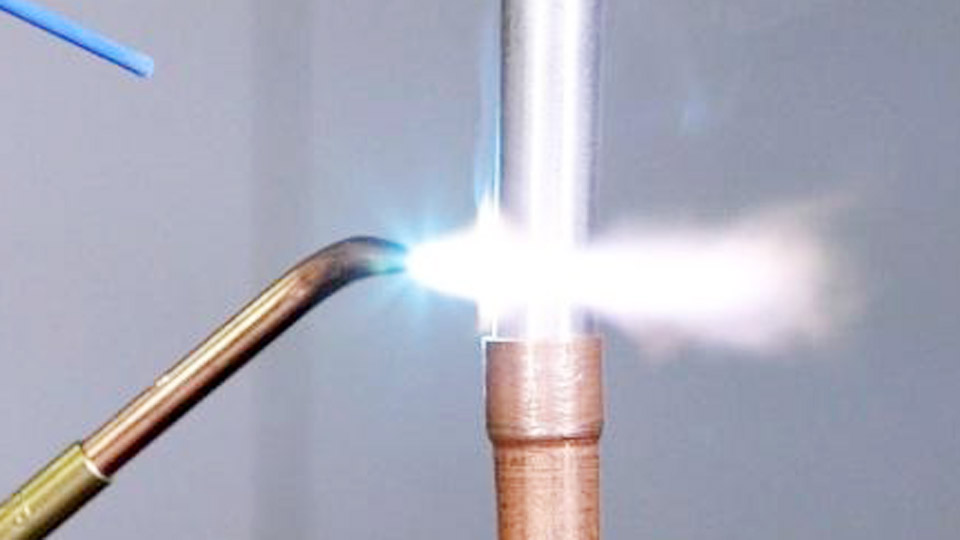
Image by thefabricator
Brazing aluminum to copper is tricky because of their different properties—aluminum melts at a lower temperature, and copper conducts heat like nobody’s business. But with the right tools and technique, you’ll get a bond that lasts.
Why Braze Aluminum to Copper?
Brazing joins dissimilar metals like aluminum and copper using a filler metal that melts above 840°F but below the melting points of the base metals. The filler flows into the joint, creating a strong, leak-proof bond. I’ve brazed aluminum to copper for projects like refrigeration coils and automotive radiators, where copper’s conductivity and aluminum’s lightweight strength are a perfect match.
The challenge? Aluminum forms an oxide layer instantly, and copper’s high thermal conductivity pulls heat away fast. I once struggled with a radiator repair because I didn’t account for these quirks—lesson learned. With the right prep, you can overcome these hurdles.
Brazing vs. Other Methods
People often ask if welding or soldering works instead. Here’s how they compare for aluminum-to-copper joints:
| Method | Temperature | Filler Metal | Suitability for Aluminum to Copper |
|---|---|---|---|
| Brazing | Above 840°F | Aluminum-based filler | Ideal for strong, durable joints |
| Soldering | Below 840°F | Tin-lead or zinc-based solder | Weaker, not suitable for high-stress applications |
| Welding | Over 1,200°F | Aluminum or copper | Risky—aluminum melts too easily, warps joint |
Brazing is my go-to because it balances strength and control, especially for dissimilar metals.
Tools and Materials You’ll Need
Before we start, let’s gather the essentials. I’ve botched jobs by missing a tool mid-process, so here’s what you need to braze aluminum to copper:
- Propane or oxy-acetylene torch: Oxy-acetylene is best for precise heat control.
- Brazing rods: Aluminum-based filler rods (e.g., 4047 or zinc-aluminum alloys).
- Flux: Aluminum-specific flux to remove oxide layers.
- Emery cloth or wire brush: Stainless steel brush for aluminum; regular for copper.
- Degreaser: To clean grease or oil from surfaces.
- Clamps or vises: To hold metals in place.
- Fire-resistant surface: Welding table or fire bricks.
- Safety gear: Flame-resistant gloves, safety glasses, and a respirator.
- Fire extinguisher: Always nearby.
- Aluminum and copper pieces: Ensure they’re clean and fit tightly.
Pro tip: Use aluminum-specific brazing rods with a melting point around 700-800°F to avoid melting the aluminum.
Preparing Aluminum and Copper for Brazing
Preparation is critical when brazing dissimilar metals. I’ve had joints fail because I rushed this step—don’t make that mistake. Here’s how to set up.
Step 1: Choose Your Joint Type
Common joints for aluminum-to-copper brazing include:
- Lap joint: One metal overlaps the other, strong and easy to braze.
- Butt joint: Edges meet directly, harder but uses less material.
- T-joint: One metal forms a “T” with the other, good for structural work.
I prefer lap joints for strength. I used one for an HVAC coil repair, and it held up under high pressure.
Step 2: Clean the Surfaces
Aluminum’s oxide layer and copper’s conductivity demand clean surfaces. For aluminum, use a stainless steel wire brush to scrub until shiny—regular brushes leave residue. For copper, use emery cloth or a wire brush. I also degrease both metals with acetone to remove oils. I once skipped degreasing on a copper tube, and the filler wouldn’t stick—cleanliness is everything.
Step 3: Apply Flux
Use aluminum-specific flux (usually a powder or paste) on both metals. Brush it evenly over the joint area. Flux removes aluminum’s oxide layer and protects both metals from air. I’ve tried universal fluxes, but they’re less effective for aluminum—stick to the right stuff.
Step 4: Fit and Clamp
Align the aluminum and copper pieces tightly. A small gap (0.002-0.006 inches) is ideal for capillary action. Use clamps or a vise to hold them steady. For a radiator job, I used spring clamps to keep a copper tube and aluminum fin in place—it made brazing a breeze.
The Brazing Process: Step-by-Step
Now for the main event: brazing aluminum to copper. This is where focus and finesse come in. I love the challenge of balancing heat between these metals.
Step 1: Set Up Your Torch
For aluminum-to-copper, I prefer an oxy-acetylene torch for precise heat control. Attach the torch, open the gas valves slightly, and light with a striker. Adjust to a neutral flame (blue with a small inner cone). Propane works for small jobs, but it’s harder to control.
Step 2: Heat the Joint
Start by heating the copper—it conducts heat faster and needs more energy. Move the torch in small circles, gradually including the aluminum. Aluminum melts around 1,200°F, so keep the flame gentle on it. When the flux melts and turns clear (around 600-700°F), you’re close. I’ve melted aluminum by rushing this step—patience is key.
Step 3: Apply the Brazing Rod
Touch the aluminum-based rod to the joint. If the metals are hot enough, the rod melts and flows into the gap. Feed it slowly along the seam. For a 4-inch lap joint, I use about 1-2 inches of rod. Don’t overdo it—excess filler looks messy and can weaken the joint.
Step 4: Cool and Clean
Let the joint cool naturally. Quenching in water can crack aluminum. Once cool, scrub off flux residue with hot water and a stainless steel brush. I polish decorative joints with fine steel wool for a clean look.
Step 5: Inspect the Joint
Check for gaps, cracks, or uneven filler. A good joint is smooth and solid. If it’s weak, re-clean, re-flux, and re-braze. I missed a gap once on a refrigeration line, and it leaked—always inspect carefully.
Common Challenges and How to Overcome Them
Brazing aluminum to copper isn’t easy, and I’ve hit plenty of roadblocks. Here’s how to avoid common issues:
- Aluminum Melting: Aluminum’s low melting point (1,200°F) means it burns easily. Heat the copper first and keep the flame off the aluminum as much as possible.
- Oxide Layer: Aluminum oxidizes instantly. Use plenty of flux and clean thoroughly.
- Uneven Heating: Copper pulls heat away fast. Preheat it longer to balance temperatures.
- Weak Joints: Often from dirty surfaces or insufficient flux. Scrub well and reapply flux if needed.
I once melted an aluminum fin because I overheated it. Now, I focus heat on the copper and let it conduct to the aluminum—works every time.
Safety Tips for Brazing Aluminum to Copper
Brazing involves high heat and toxic fumes, so safety is critical. I’ve had a few close calls—like a spark igniting a rag—so here’s how to stay safe:
- Wear flame-resistant gloves and safety glasses.
- Work on a fire-resistant surface like fire bricks.
- Keep a fire extinguisher nearby.
- Ventilate well—aluminum flux fumes are harsh. I use a fan or work outside.
- Clear flammable materials from the area.
I got lightheaded once from fumes in a poorly ventilated shop. Now, I always ensure airflow or wear a respirator.
Applications for Aluminum-to-Copper Brazing
This technique is versatile. Here’s how I’ve used it and what to consider:
HVAC and Refrigeration
Aluminum-to-copper brazing is common in coils and heat exchangers. I’ve repaired refrigeration lines where copper tubes meet aluminum fins. Lap joints and aluminum-based rods ensure a leak-proof seal.
Automotive Repairs
Radiators and cooling systems often mix aluminum and copper. I brazed a car radiator’s aluminum header to a copper tube—it saved the client from a costly replacement. Precision is key to avoid leaks.
Custom Projects
For art or prototypes, brazing aluminum to copper creates unique designs. I made a mixed-metal sculpture with a polished aluminum-copper joint—stunning and strong.
Choosing the Right Filler Metal
The filler metal is critical for aluminum-to-copper brazing. Here’s a quick guide:
| Filler Type | Best For | Pros | Cons |
|---|---|---|---|
| Aluminum-Based (4047) | Most aluminum-to-copper joints | Low melting point, good flow | Requires flux, expensive |
| Zinc-Aluminum | Budget-friendly projects | Affordable, strong | Rougher finish, trickier to use |
I use 4047 aluminum rods for most jobs—they flow well and bond reliably.
Troubleshooting Imperfect Joints
If your joint isn’t perfect, don’t panic. Here’s how I fix common issues:
- Gaps: Reheat, add flux, and apply more filler. Ensure a tight fit.
- Weak Bond: Likely from oxide or grease. Re-clean both metals and re-braze.
- Melted Aluminum: Use a cooler flame and focus heat on copper.
- Rough Finish: Polish with steel wool or a buffing wheel.
I had a leaky refrigeration joint once because of a dirty aluminum surface. A thorough scrub and re-braze fixed it.
Practical Tips for Brazing Success
Here are some tricks from years of brazing:
- Practice on Scrap: Test on spare aluminum and copper pieces first.
- Focus Heat on Copper: It handles heat better and prevents aluminum from melting.
- Use Plenty of Flux: Aluminum’s oxide layer is stubborn—don’t skimp.
- Check Fitment: A tight joint ensures better filler flow.
- Polish for Looks: A buffed joint impresses clients on visible projects.
These tips have saved me from countless headaches, and they’ll help you too.
Conclusion
Brazing aluminum to copper is a challenge, but it’s incredibly rewarding when you get it right. The key is preparation—clean surfaces, proper flux, and careful heat control. I’ve had my share of melted aluminum and weak joints, but each mistake taught me something new.
With this guide, you’re ready to create strong, durable bonds for HVAC, automotive, or creative projects. There’s nothing like the satisfaction of a perfect joint that holds under pressure.
FAQ
What’s the best filler rod for brazing aluminum to copper?
I recommend 4047 aluminum-based rods. They melt at a low temperature and flow well, creating strong joints. Zinc-aluminum rods are cheaper but harder to work with.
Do I need special flux for aluminum-to-copper brazing?
Yes, use aluminum-specific flux. It removes aluminum’s oxide layer and ensures a good bond. I’ve tried universal flux, but it’s less effective.
How do I avoid melting the aluminum?
Focus the flame on the copper, which conducts heat better. Use a neutral flame and move it constantly. I melted aluminum once by overheating—slow and steady wins.
Is brazing aluminum to copper safe for water systems?
Only with NSF/ANSI 61-certified filler metals. I’ve used these for refrigeration lines—check labels for potable water safety.
How long does it take to braze an aluminum-to-copper joint?
A 4-inch lap joint takes me 2-3 minutes to braze, plus 5-10 minutes for prep. Practice makes it faster.
What if my joint leaks or looks uneven?
For leaks, re-clean, re-flux, and re-braze. For a rough finish, polish with steel wool. I’ve fixed many joints this way with patience.